

Our blog
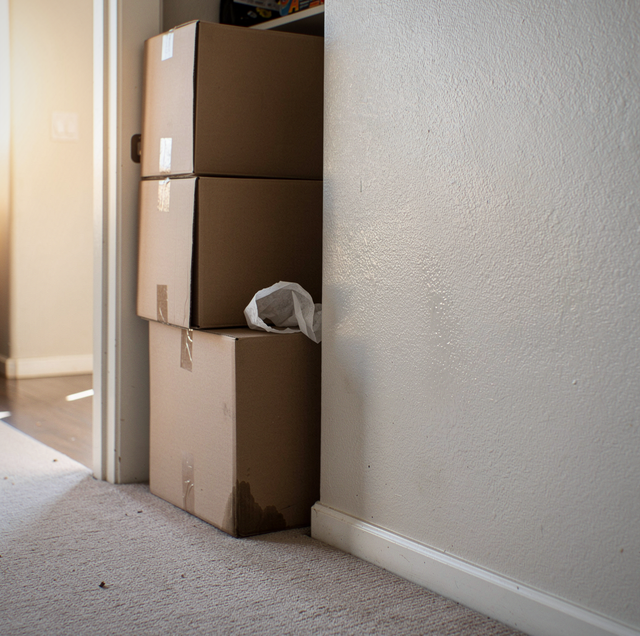
Are Silverfish a Sign of a Hidden Moisture Problem?
A silverfish drops out of a stack of old photo albums when you finally clear out the hall closet, and it's alone — no ants trailing behind it, no spill on the shelf, nothing else in the room that explains why an insect that is supposed to live in damp basements just showed up in the driest-looking space in the house.
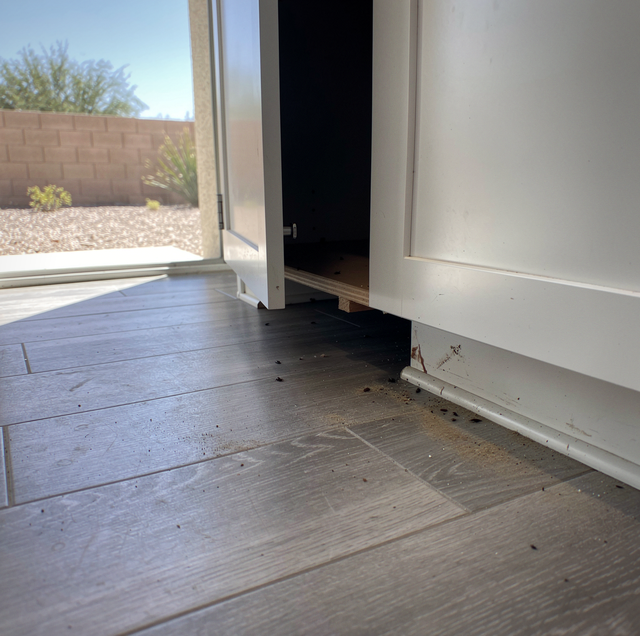
Signs Cockroaches Are Hiding Behind Your Walls
Spot a single cockroach crossing the kitchen floor at night, and squashing it settles nothing.
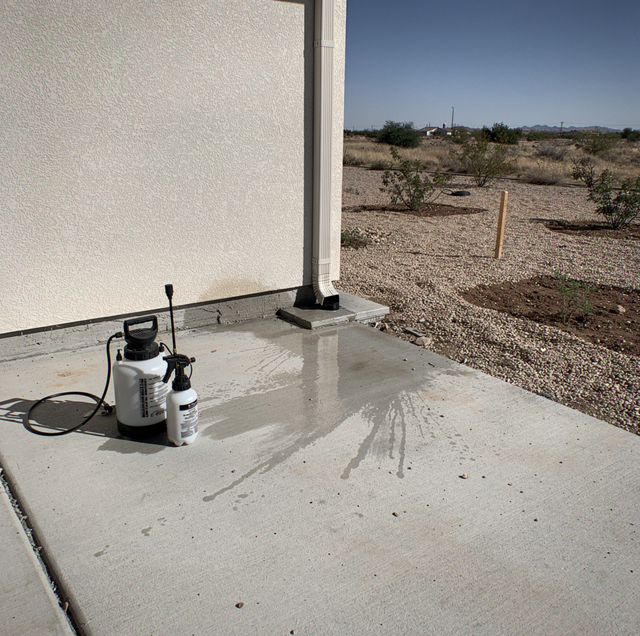
Quarterly or Bi-Monthly Pest Service: Which Fits?
A recurring pest plan is a schedule built around a single question: how long does a single treatment cycle last before pests find a way back in? For some homes, a quarterly visit, roughly every ninety days, keeps pace with what is showing up.
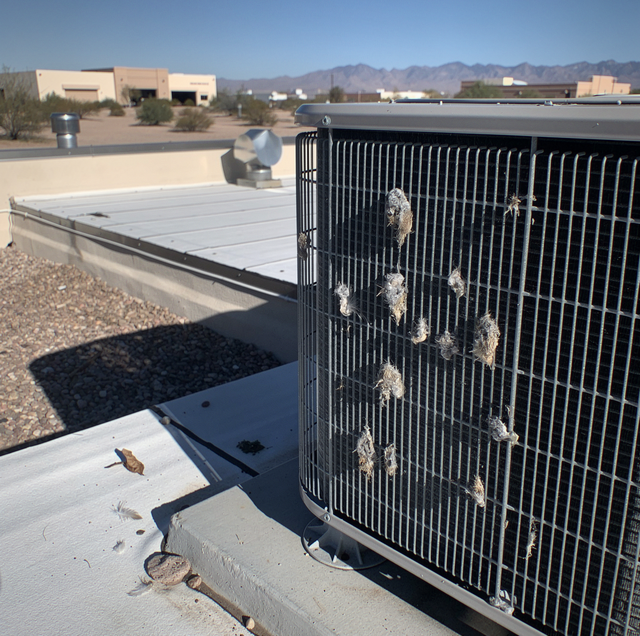
When Pigeon Droppings Turn Into a Real Health Risk
Why does a rooftop pigeon problem get treated as more than a cleaning issue? Because of what happens to droppings after they dry, not what they look like while they're fresh.
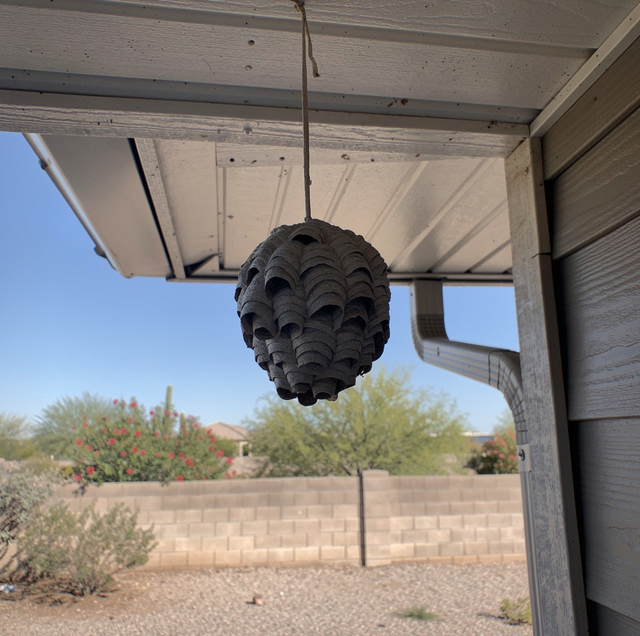
Honey Bees or Wasps: How to Tell What’s Nesting
A gray, football-sized nest shows up under the porch roof, or a low hum starts coming from a gap in the siding, and the first assumption is usually the same: bees.
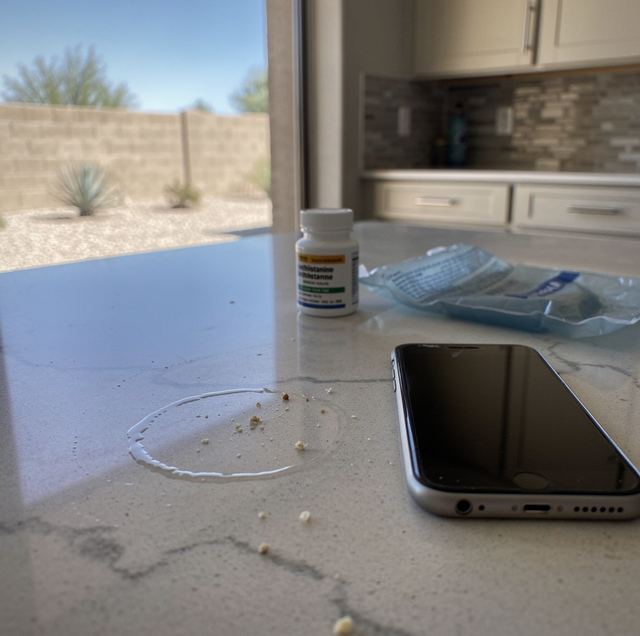
Dangerous Spider Bite or Harmless? Know the Signs
That table is the fast version. The slower version, the one that actually matters when a bump shows up on your arm at eleven at night, is understanding why those symptoms diverge so sharply between a spider bite that needs nothing more than an ice pack and one that needs a phone call to a doctor.
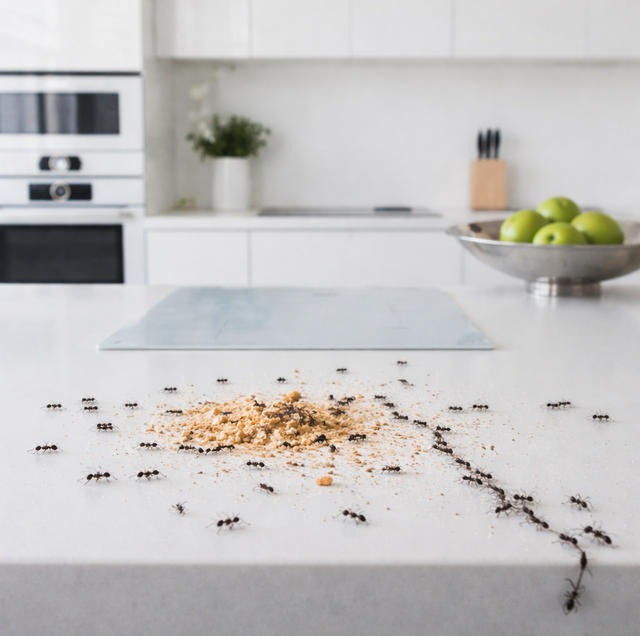
Why Ants Keep Coming Back to the Kitchen (7 Fixes)
You clean the counter, watch the last few ants scatter, and go to bed thinking the problem is handled.
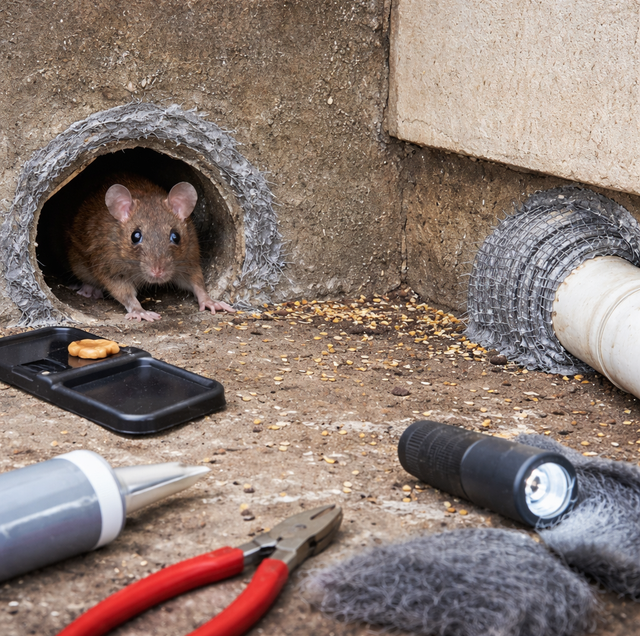
What Attracts Rodents and How to Keep Mice and Rats Out
Mice and rats do not choose a house at random. They follow the same three things every living creature needs: something to eat, something to drink, and somewhere warm and hidden to nest.
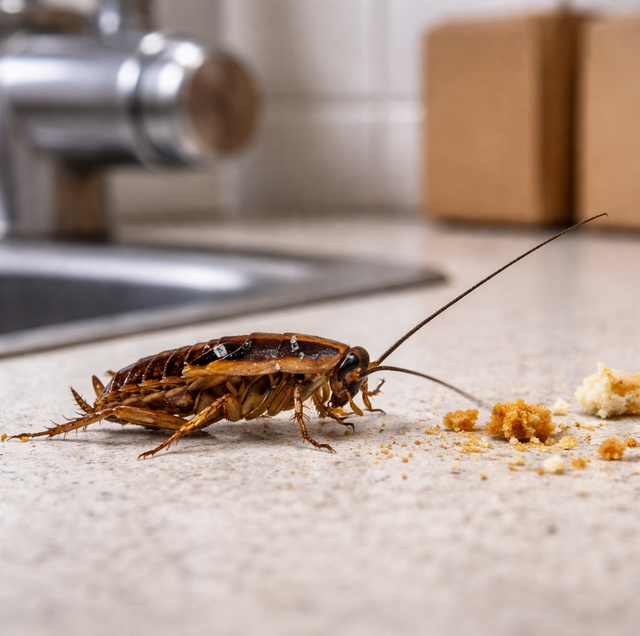
What Attracts Cockroaches: 3 Draws to Cut Off
Roaches rarely show up by accident. When one skitters across the kitchen floor at midnight, it found something worth staying for: a meal, a drink, or a dark crack to hide in. Cut off all three, and the space stops being worth the trip.

How to Spot Bed Bugs: 7 Signs You Should Never Ignore
Most people never see the bug that is biting them. Bed bugs are built to stay out of sight, so the first clue is almost always a pattern of small welts on skin that was exposed while you slept, followed by dark specks on the sheets that were not there the night before.
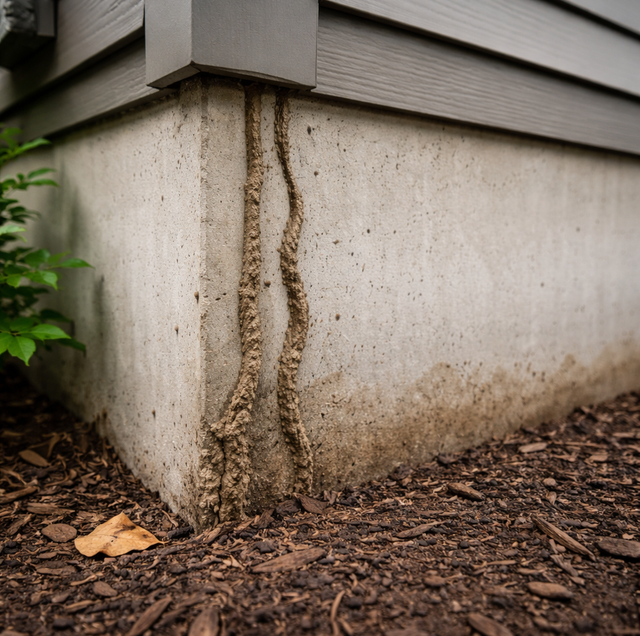
Termite Inspection Before Buying a Home: What It Catches
A termite inspection, more formally a wood-destroying-organism or WDO inspection, is a focused search for pests that eat or nest in structural wood.

Bees Suddenly Around Your House? Five Likely Causes
One week your yard has almost no bees in it. The next, you're seeing ten or twenty every time you step outside, and nothing on the property itself has changed.
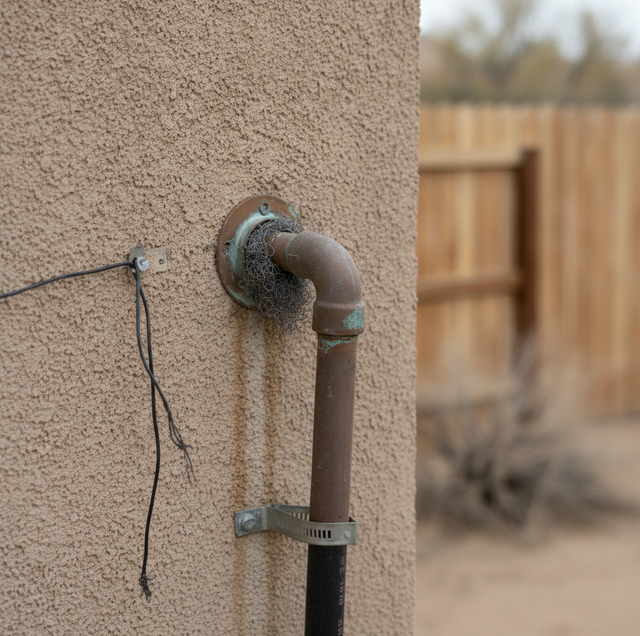
How to Keep Scorpions Out of Your House: The 3 Things They Want
Finding a scorpion on the wall of a room you thought was sealed tight is unsettling, and the reflex is to reach for spray. Spraying has its place, but it treats the symptom. A scorpion did not wander in by accident. It came in looking for something, and until you understand what that something is, you will keep finding more.
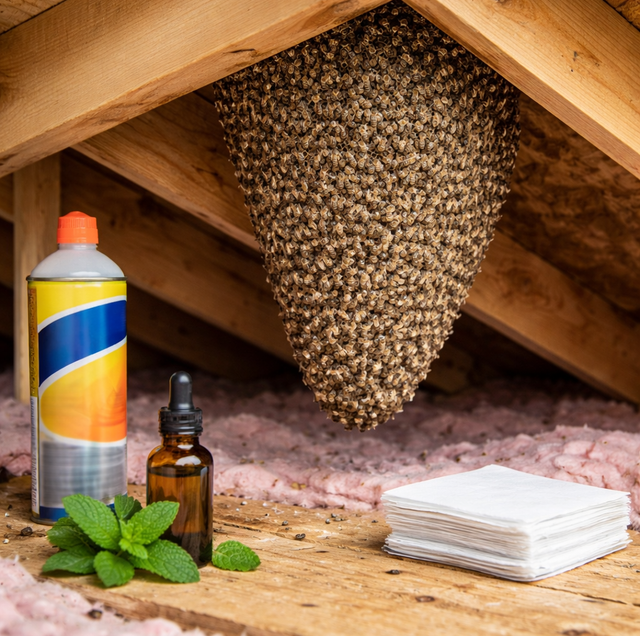
What Repels Bees? Six Popular Fixes, Tested Against Reality
The hardware store aisle for this problem is a small, confident lineup: a can of wasp-and-hornet spray, a box of dryer sheets, a bottle of peppermint oil, a plug-in ultrasonic pest repeller, and, on the seasonal shelf, a gray paper decoy shaped like a nest.
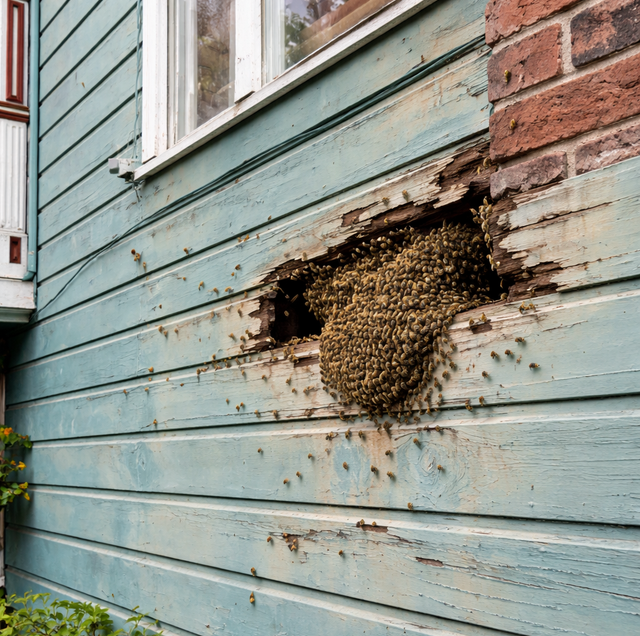
What Pictures to Send for Bee Removal, and in What Order
The phone is already in your hand, and the bees are moving in and out of a gap somewhere on the house.
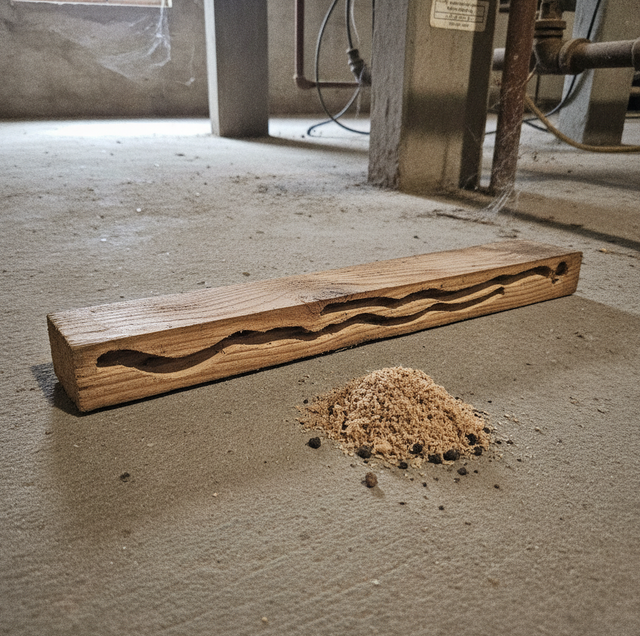
Termites vs. Carpenter Ants: The Damage That Gives Each One Away
You spot a soft spot in a doorframe, a hollow-sounding stud, or a small pile of what looks like sawdust on the windowsill, and the first question is the one that matters most: which insect is doing this? Termites and carpenter ants both wreck wood, and to a homeowner, the aftermath can look similar. The insects themselves, though, are almost nothing alike, and the two problems get solved in completely different ways. Reading the evidence correctly is the difference between fixing the right thing and treating for a pest you don't even have.
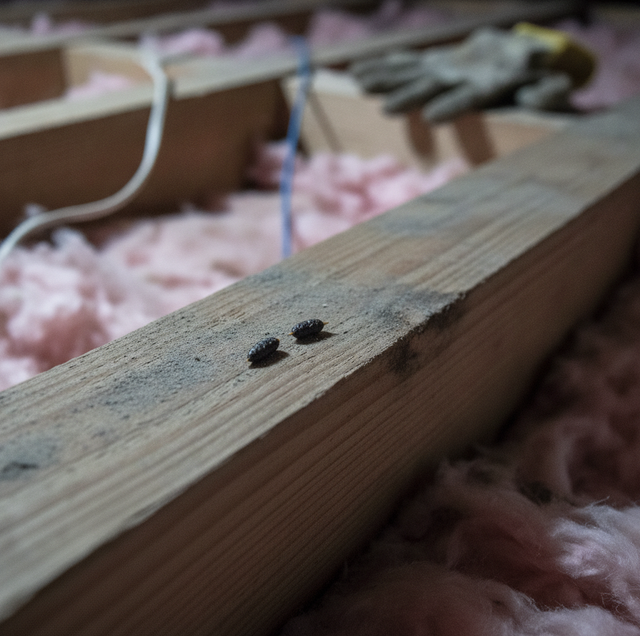
Roof Rats vs Mice: The One Sign That Ends the Guessing
It's a little after eleven, and you're lying in bed under the ceiling that separates you from the attic. Then it starts: a slow, deliberate scratching that moves along one line, pauses, and drags a small object a few inches. Not the frantic patter you half-expected. Something with weight to it. You lie still and try to map where it's walking, because the answer to "rat or mouse" decides almost everything you do next, the trap you buy, the gap you seal, whether one visitor becomes a colony by fall.
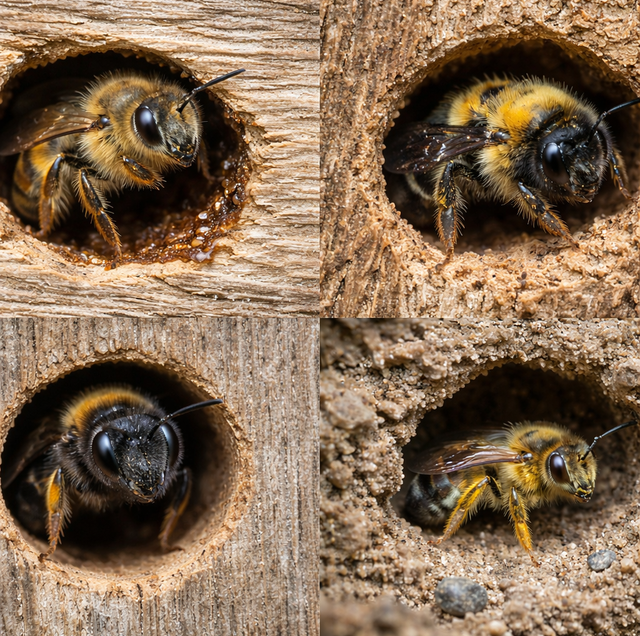
What Kind of Bee Is This? Six Look-Alikes, Told Apart
The shape on the block wall has not moved in a minute. It is yellow and black, it is bigger than it ought to be, and from six feet back that is the whole of what anyone can honestly say about it.

What Happens to Relocated Bees — and the Comb They Leave Behind
The last you see of a colony that lived in your wall is a technician carrying a box out to a vehicle.
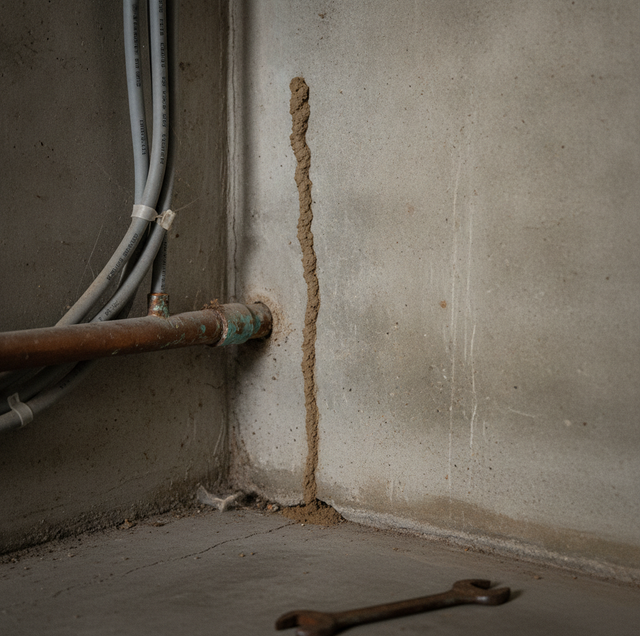
What Termite Mud Tubes Look Like and Why They Show Up
You are walking along the base of your house, or shining a light into a corner of the garage, and you notice a thin ridge of dried mud climbing the wall. It does not belong there. It is not a crack, not a water stain, not a smear of dirt. It runs in a mostly straight line, about as wide as a pencil, heading up toward the framing. That ridge has a name. It is a termite mud tube, and it is one of the clearest outdoor-to-indoor signs that subterranean termites are moving through your home.