
Rodent Control in Phoenix, AZ: Roof Rats, Packrats & Mice, Handled for Good
If something's moving up there tonight, don't share the house with it longer than you have to. A real person answers, and rodent calls get priority scheduling.
The Noise in Your Attic Has a Name: We Know All Three.
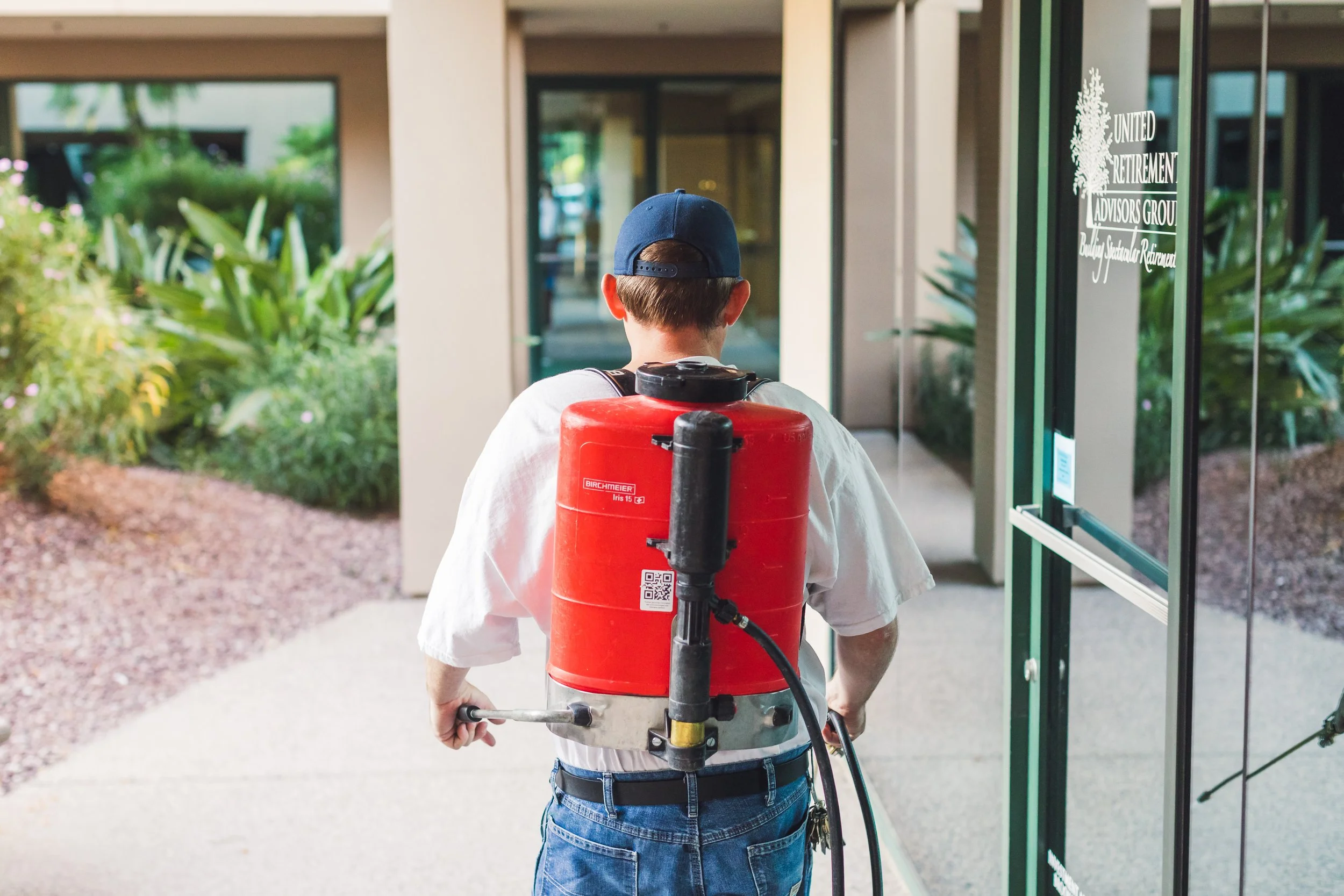
"There's a noise in the attic" is one of the most common calls we take, and after three decades of Valley rodent work, the scratching usually introduces itself before we even arrive. Roof rats running the citrus line. Packrats moving in from the desert edge with half your yard in their cheeks. House mice doing what house mice have always done. Russell Pest Control has trapped, removed, and prevented all three across the Phoenix Valley since 1996, and rodent work is some of the most important work we do: rodents don't just unsettle a household, they chew wiring, tunnel insulation, and contaminate everything they cross.
Our approach is inspection-first and trap-first: we find how they're getting in and how big the problem really is before quoting anything, we trap rather than poison indoors so nothing dies in your walls, and we clean up what the infestation leaves behind. Then prevention takes over (exterior population control and screening), so the attic stays quiet next winter, too. Rodent trapping has been one of this company's defining services for thirty years; it's detail work, and detail work is what a three-truck family operation is built for.
Detail Work Is What a Family Operation Is Built For
Three Species, Three Plans
Roof rats, packrats, and mice live differently and get caught differently. The inspection names yours before we quote.
Trap-First Indoors
We don't poison inside structures, trapping means removal, you can verify, and no carcass smell in the wall void.
Cleanup Included in Scope
Droppings, nest debris, and contaminated spots are handled as part of the job, not left as a souvenir.
Prevention That Holds
Locked exterior bait stations and screening keep the next generation from inheriting your attic.
Honest Pricing Order
Attic and interior work is quoted after inspection; anyone pricing your attic over the phone is guessing.
Humane Options
Live trapping and relocation where it's appropriate, and a straight answer about when it isn't.
Three Things Valley Homeowners Should Know About Rodents
The Attic Noise Is a Deadline, Not a Curiosity
Rodents' front teeth never stop growing, so they never stop chewing, and in an attic, the available chew toys are your wiring insulation, your ductwork, and your roof framing. Gnawed wiring is a genuine fire hazard, and a nesting pair becomes a colony on a rodent's reproductive schedule, which is measured in weeks. The difference between a two-trap week and a whole-attic project is usually how long the scratching got ignored.
Phoenix Rodents Are Three Different Problems Wearing One Name
Roof rats are climbers: they arrived in the Valley's citrus neighborhoods in the early 2000s and travel tree-to-roof without touching the ground. Packrats are desert natives that move in from washes and preserves, build junk-filled middens, and have an expensive taste for engine wiring. House mice are the classic gap-finders, living from the wall to the pantry. Each species nests, travels, and feeds differently, which is why the inspection that names your rodent is the step that makes everything after it work. Treat a packrat property with a mouse playbook, and you'll own both problems by spring.
Poison Indoors Is the Wrong Tool: and You'd Smell Why
Bait has its place: locked exterior stations managing population pressure around the property. But indoors we trap, full stop. A poisoned rodent crawls into a wall void or duct to die, and your house spends weeks telling you where. Trapping gives verified removal, a body count that tells us when the job's done, and an attic you can trust again. It's slower-looking and better in every way that matters.
Every Rodent Situation We Handle in the Valley
Rodent problems announce themselves in fragments: a sound here, a dropping there, an orange with a hole in it. Any single item below is worth a phone call; two or more means the colony is already keeping a calendar.
Signs You're Hearing or Seeing
- Scratching, scurrying, or gnawing overhead at night (roof rats and mice are nocturnal)
- Droppings: size and placement tell us the species before we meet it
- Gnaw marks on wiring, pipe insulation, baseboards, or stored goods
- Hollowed-out citrus still hanging on the tree (a roof rat signature)
- Tunnels and flattened runs through attic insulation
- A packrat midden (the stick-and-junk nest pile) against a wall, shed, or cactus
- Chewed engine wiring in a car parked outside (packrat calling card)
- Pet food disappearing, bags opened from the bottom corner
Where Valley Rodents Set Up
- Attics and roof voids (the #1 site, warm in winter, hidden year-round)
- Citrus, palms, and mature trees touching the roofline
- Block wall lines and pool equipment enclosures
- Garages, sheds, and storage stacks
- Irrigation valve boxes and river-run drainage
- Under solar panels and in HVAC chases
Species We Control
- Roof rats: the citrus-line climbers
- House mice: the 1/4-inch-gap specialists
- Packrats (woodrats): desert-edge midden builders
- Ground squirrels: burrow networks in yards and embankments (baiting programs)
- Gophers: mound-and-tunnel lawn damage (baiting and burrow treatment)
What an Unchecked Infestation Costs
- Wiring damage: the fire-risk item every insurance adjuster asks about
- Insulation destruction and the energy bills that follow
- Contaminated attic spaces, ductwork, and stored belongings
- Stripped citrus and gnawed irrigation lines
- A breeding population exporting young to your neighbors, and back
From First Scratch to Quiet Attic: the Process
Triage on the Phone
When you call, the questions start working immediately: what does the noise sound like, what time of night, which part of the house, any droppings, and where. Species have schedules and acoustics; half the diagnosis happens before the truck moves.
The Inspection
Attic, roofline, trees, walls, garage, property edges, we trace the animal's whole commute, not just its bedroom. This is also where pricing gets honest: attic and interior work can't be quoted until someone's actually looked, so that's exactly the order we work in. You get the findings, the species, the entry points, and the number, before anything starts.
The Trapping Program
Traps are placed on the runways, the inspection is mapped (attic runs, garage edges, travel lines), and serviced on schedule until the catches stop and the sign goes quiet. Trap-first indoors means verified removal: we count what comes out, so "gone" is a fact, not a feeling. Trap choice follows the species the inspection named (snap traps on rat runways, multi-catch equipment for mice, live cages where relocation is the right call), and placement gets adjusted at every check until the catches stop.
Cleanup and Sanitation
Droppings, nest material, and contaminated debris get cleaned up as part of the scope, done with proper protection, because rodent waste isn't something a shop vac and good intentions should meet. The job isn't finished while the evidence is still up there. On heavier jobs, we'll tell you plainly what's salvageable (insulation, stored boxes, duct runs) and what's smarter to replace.
Exterior Population Control
Locked, tamper-resistant bait stations placed strategically around the property help suppress outside pressure so the next generation never reaches your roofline. Stations are serviced on your regular visits; it's the long game that makes the trapping permanent.
Close the Doors Behind Them
Trapping empties the attic; screening keeps it empty. Roof vents, eave gaps, or utility penetrations, rodent exclusion is its own discipline with its own page, and on most jobs it's the difference between solved and solved-for-now.
Notes and the Long Watch
Everything (entry points, catch locations, station placements) goes into your account notes, and your same-every-visit technician re-checks the history at every service. Rodent pressure in the Valley is seasonal and permanent; our memory of your property is too.
Rodent Exclusion & Proofing
Screened roof vents, sealed eave gaps, and closed penetrations are the steps that makes the result permanent.
Home Seal
The whole-home sealing craft: entry-point work to the 1/16-inch standard - $600-$2,500 typical
How Rodent Work Is Priced: the Honest Version
Inspection First, Then a Real Number
- Attic and interior trapping: quoted after inspection, every infestation is different in size, access, and cleanup, and phone quotes for unseen attics are fiction
- The inspection tells you everything first: species, entry points, scope, and price, before any work starts
- Trapping, cleanup, and screening are scoped as separate line items; you see what each costs and decide; nobody bundles you into a mystery number
- Exterior bait-station service can fold into a regular pest plan for ongoing prevention
- Ground squirrel and gopher baiting programs scoped by the property after a look at the burrow activity
- No initial fees, no contracts, same as everything we do - Commercial rodent prevention runs on monthly programs
Priority Scheduling for Rodent Calls
Nobody should host that noise a weekend longer than necessary. Say it's an attic noise call, and we'll move.
No initial fees. No contracts. Priority scheduling when there's noise in the attic tonight.
Stop the ScratchingWhat Rodent Customers Tell the Valley
The Proactive Watch
"They always keep us updated on our property in person, by emails or phone to let us know of any issues... Their proactive approach has been great, keeping the house and property free of any insects infestation or rodents issues that could cause damage. Their customer service is top notch! Thanks Steve." That's the long watch working as designed: rodent control as an ongoing watch, not a one-time rescue. The cheapest rodent job is the one your technician's notes prevented.
- Jo-Ann C., Google reviewTen Years Rodent-Free
"Great pest control service. Friendly people, hard working. Have been using this service for over 10 years. Would recommend for anyone!", filed under rodent extermination. A decade of quiet attics is the metric this work should be judged on.
- Tamara Z., Google reviewThe Rat-Infected House
The hardest job sites we work are the ones that waited, like a Valley house so far gone the rats had taken full possession: contamination through the attic, runways through every room, damage in the walls. We took it back the only way that works: methodical trapping, full cleanup, sealed entries, and patience. We tell that story for one reason: the difference between that job and a two-trap week was a year of ignoring the scratching. Don't wait.
Russell Rodent Control vs. the Chains
| What Matters With Rodents | Russell Pest Control | National Chains |
|---|---|---|
| First step | Inspection that names the species and maps entries | Quote from a price sheet |
| Indoors | Trap-first, verified removal, no wall-void carcasses | Bait boxes wherever's quick |
| Attic pricing | After someone's actually been in your attic | Over the phone, somehow |
| Cleanup | Sanitation in the scope | Usually "not included" |
| Prevention | Locked exterior stations + screening handoff | Recurring bait invoice forever |
| Species knowledge | Roof rat vs. packrat vs. mouse, three playbooks | One playbook, three invoices |
| Verification | Catch counts and sign monitoring until quiet | "Should be taken care of" |
| Who's in your attic | The same tech who'll service the house all year | This quarter's new hire |
| Squirrels & gophers | Baiting programs in-house | Often refused or referred |
| Follow-through | Property notes, re-checked every visit | New ticket, new stranger |
Where Phoenix Rodent Problems Come From: Neighborhood Logic
The Citrus Legacy
Roof rats established themselves in the Valley's citrus neighborhoods in the early 2000s and never left. Mature orange and grapefruit trees are food, water, and an elevated highway in one plant. The central corridors with heritage citrus carry permanent roof rat pressure, and hollowed fruit on the tree is the neighborhood's early-warning system. If you keep citrus, harvest hygiene is rodent control: pick fruit when it ripens, clear the drops weekly, and keep canopies trimmed off the roofline. We'll tell you which of your trees is doing the inviting.
The Desert Edge Pays Packrat Tax
Homes against preserves, washes, and open desert (Cave Creek, Carefree, North Scottsdale, the fringes of every Valley suburb) inherit the packrat, a native that was here first and considers your pool equipment enclosure an upgrade to a cactus. Middens appear against walls and sheds, and parked cars become wiring buffets. Desert-edge properties need the exterior pressure managed, not just the house defended.
Winter Drives Them Indoors
The Valley's mild winter is still cold enough at night to make a warm attic irresistible. October through February is move-in season, it's when the scratching calls spike, and when an unscreened roof vent becomes a lease signing. Empty seasonal homes are the prime targets: no footsteps, no lights, no one to hear week one. If you're a snowbird household, the pre-departure rodent check belongs on the shutdown list right next to the water valve. Fall screening beats winter trapping every time it's tried.
Monsoon Shuffles the Deck
Flooded burrows and soaked middens displace ground-level rodents every storm season, sending them looking for higher, drier real estate, which is how a July storm becomes an August attic. Post-monsoon weeks are second only to early winter for new rodent calls.
Block Walls and Pool Equipment, Again
The same infrastructure that shelters the Valley's insects shelters its rodents: wall voids as runways, pump enclosures as dens. Rodents also follow the insect supply: a property rich in crickets and roaches feeds more than scorpions. It's all one ecosystem, and we treat it like one.
Mature Communities, Mature Trees
Established neighborhoods and 55+ communities with decades-old landscaping carry the highest tree-to-roof contact in the Valley: palms and citrus literally touching rooflines, handing climbers a bridge. Trimming the bridge back is step one; we'll flag every contact point in the inspection.
New-Build Fringe Displacement
Every new subdivision scraped out of the desert evicts its existing rodent population into the surrounding streets. If your home is new and something's already in the attic, you didn't get unlucky; you got the previous tenants. First-year screening on fringe builds is the cheapest rodent control you'll ever buy.
The Technical Side: What Thirty Years of Trapping Teaches
Reading Sign Like a Species ID
Droppings, gnaw marks, grease marks, and noise timing identify the animal before a trap is set: roof rat droppings are banana-shaped and scattered along runways; mouse droppings are rice-grain and everywhere; packrats leave middens and debris caches. Get the species wrong, and the trap placement, bait choice, and entry-point list are all wrong with it.
Trap Placement Is Runway Science
Rodents are creatures of edge and habit; they run along walls and established paths, whiskers brushing a surface. Traps work when they sit on the commute, not near it: across runways in the attic, along garage edges, at the entry side of mapped travel lines. Placement is why two of our traps outperform a dozen scattered hopefully, and why every check visit re-checks the catches: an empty trap on a live runway gets moved, not waited on.
The Locked-Station Doctrine
Exterior bait stations are locked, anchored, and tamper-resistant, placed where rodents travel, and children and pets don't reach, with bait secured inside. Station management includes what's around them: we account for pets, wildlife, and placement height because responsible rodenticide use is part of the license we carry, not a suggestion.
Why the Cleanup Is Non-Negotiable
Rodent droppings and urine carry real disease risk, and disturbing dry contamination the wrong way puts it in the air. Our cleanup uses proper protection and wet-method handling, and it matters for control too: leftover scent markers read as a vacancy sign to the next rodent scouting your roofline.
Squirrels and Gophers Are Burrow Problems
Ground squirrels and gophers don't live in your attic; they live in engineered tunnel systems under your yard, which is why they get baiting and burrow-treatment programs instead of attic traps. It's methodical work: map the active burrows, treat the system, verify the quiet. Lawn mounds reappearing in lines mean the system's still alive; we keep going until it isn't.
What "Humane" Honestly Means
We offer live trapping and relocation where it's appropriate and legal, and we'll tell you the honest limits: relocated roof rats fare poorly, packrats return or perish, and "humane" marketing often just outsources the outcome. The genuinely humane program is prevention: screen the entries, manage the population outside, and fewer animals ever make it to a trap of either kind.
The Wiring Check
Every rodent inspection includes the fire-risk pass: visible wiring runs in the attic, junction boxes, HVAC chases, and (on packrat properties) engine bays. Chewed insulation gets photographed and flagged for your electrician. We're not licensed to fix wiring; we're licensed to make sure nothing keeps chewing it. Desert-edge tip that saves four-figure repair bills: a vehicle parked outside for more than a few days gets checked too, packrats colonize engine bays fast, and the first symptom is usually a dashboard full of warning lights.
Rodent Questions, Answered Straight
What's Making Noise in My Attic at Night?
In the Valley, the shortlist is roof rats (light, fast scurrying after dusk), mice (lighter scratching, often in walls too), or packrats (heavier, slower, desert-edge homes). Daytime noise points elsewhere, such as birds or squirrels. Describe the sound and timing on your call; you'd be surprised how far that narrows it down.
How Fast Can You Get Here?
Rodent calls get priority scheduling, and same-day service is available; nobody should host that noise a weekend longer than necessary. After-hours calls reach Steve's cell for triage; a squirrel loose in the living room at midnight has been handled before and will be again.
How Do You Actually Get Rid of Them?
Inspection first, then trapping on the mapped runways until catches and signs both go quiet, then cleanup, then prevention, exterior stations, and screened entries. It's a sequence, not a single visit, and each step is verified before the next.
Will Anything Die in My Walls?
Not from our indoor work, that's the whole point of trap-first. Poison goes only in locked exterior stations, where rodents that take bait die outside in the territory they came from, not in your wall voids.
What Does Rodent Removal Cost?
Inspection first, then a real number, attic jobs vary too much in size, access, and cleanup for honest phone quotes. What we promise up front: itemized scope, no initial fees, no contract, and a price that holds once quoted.
How Long Until They're Gone?
Most household trapping programs run one to three weeks, catches taper, signs stop, and we verify quiet before calling it done. Heavy infestations and packrat properties take longer, and we'll tell you which one you have after the inspection, not after the invoice. The schedule's honest milestone: two consecutive quiet checks before anyone says the word done.
Do Ultrasonic Repellers Work?
No, rodents habituate to them within days, and an attic full of free insulation outbids an annoying noise every time. Save the money for screening; physics beats gadgets.
Once They're Out, How Do I Keep Them Out?
Exclusion: screened roof vents, sealed eave gaps, closed utility penetrations, and trimmed tree-to-roof contact. It's its own service with its own page, and on most rodent jobs, it's the step that makes the result permanent.
Are the Droppings Dangerous to Clean Myself?
Treat them with respect; dry sweeping or vacuuming can put contamination in the air. Small, fresh sign in a garage: gloves, mask, wet-wipe method. An attic's worth: leave it in the scope and let it be done with proper protection. It's included in our jobs for exactly this reason.
Are Bait Stations Safe With My Dogs?
The stations we place are locked, anchored, and designed so pets can't reach the contents, and placement accounts for your animals from the start. Tell us about your pets on the first call; the plan is built around them, not in spite of them.
I Keep Seeing a Rat Near My Pool at Night. Coincidence?
No, you're watching the commute. Roof rats need water daily, and pools, fountains, and pet bowls are the neighborhood's reliable sources; a rat at the water's edge after dusk usually means a nest within a tree-line's travel of your yard. Tell us where and when you're seeing it; that sighting is a mapping data point, and usually the first thread the inspection pulls.
Do You Handle Ground Squirrels and Gophers, Too?
Yes, baiting and burrow-treatment programs for yards, embankments, and commercial grounds. It's a different method than attic work (the problem lives under the lawn, not over the ceiling), and it's quoted after a look at the burrow activity.
What Our Customers Say
Real reviews from homeowners and businesses across the Phoenix Valley.
Take the Attic Back: Tonight's Call Is the First Quiet Night
Inspection-first honesty, trap-first removal, cleanup that finishes the job, and prevention that makes it stick, rodent control the way a family business does it when it plans to service your house for the next twenty years. The scratching doesn't get better on its own; every week it continues is wiring chewed and young weaned. Call tonight, sleep better this week.
Expect the best from Russell Pest, and have a bug-free day.
Hours
- Monday-Friday: 8:00 AM - 5:00 PM