
What Attracts Cockroaches: 3 Draws to Cut Off
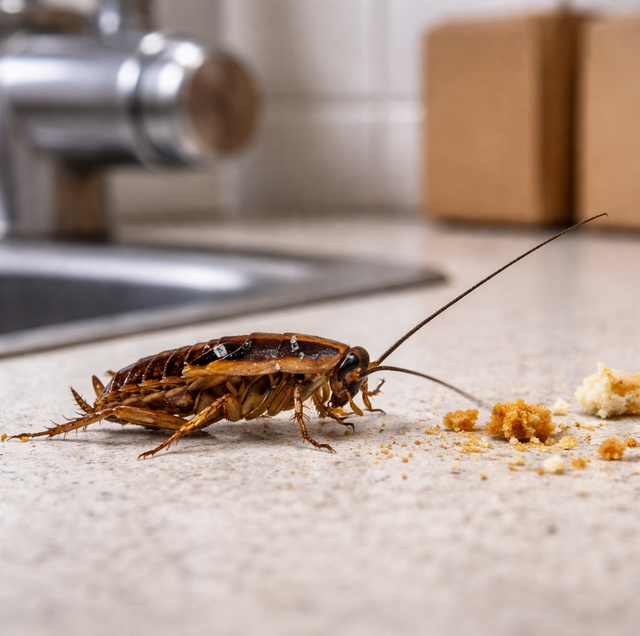
Quick Answer: Cockroaches are drawn to three things: food, water or moisture, and warm dark shelter. They slip in through gaps around pipes, worn door sweeps, cracks, and drains, or ride inside on boxes and used appliances. Remove the food and water, seal the entry points, and clear out clutter, and you take away every reason for them to move in.
Roaches rarely show up by accident. When one skitters across the kitchen floor at midnight, it found something worth staying for: a meal, a drink, or a dark crack to hide in. Cut off all three, and the space stops being worth the trip. Leave one in place, and they keep coming back no matter how many you squash.
Why Roaches Come Inside In The First Place
A cockroach is a survival machine with simple demands. It needs to eat, it needs to drink, and it needs somewhere tight and dark to sit out the daylight hours. A building that offers all three is prime real estate. Understanding those three drivers matters more than any single trap or spray, because prevention works by taking the drivers away rather than chasing individual bugs.
This is a year-round problem, not a seasonal one. Roaches live indoors where the temperature and humidity stay comfortable no matter what the calendar says. Cooler weather can push outdoor species to seek warmth inside, and warmer stretches can speed up breeding, but the kitchen-dwelling species that plague most homes are active every month of the year. Treating it as a summer-only or a winter-only nuisance is how small problems become established ones.
Food: crumbs, grease, and everything you did not think of: Roaches are not picky. They will eat crumbs under the toaster, grease splatter behind the stove, pet food left in the bowl overnight, and the sugary film inside a recycling bin. They also feed on things most people never picture as food: paper, cardboard glue, hair in a drain, soap residue, and the starch in wallpaper paste. Garbage that sits uncovered is a buffet, and a pet's dish topped off before bed is a reliable overnight meal.
Water: the draw people overlook: A roach can last weeks without food but only days without water, so moisture is often the stronger magnet. A dripping faucet, a slow leak under the sink, condensation on a cold pipe, a pet's water bowl, and the standing water in a rarely used drain all keep them going. Bathrooms and kitchens are the usual hot spots because water pools and lingers there. Damp basements, laundry areas, and the tray under a refrigerator round out the list.
Shelter: warm, dark, and tight: Roaches want their bodies touching a surface on multiple sides, a preference called thigmotaxis, which is why they favor narrow cracks over open floors. Stacked cardboard boxes, cluttered cabinets, gaps behind appliances, the void under a sink, and the warm space near a motor or a water heater all make excellent hideouts. Cardboard is a special favorite because it holds warmth, provides glue to eat, and offers countless folds to nest in.
The Specific Attractants Worth Fixing First
Some sources pull roaches in harder than others. Working through the list below removes the reasons they stay.
Dirty drains and grease traps: Kitchen and floor drains collect food sludge and stay damp, which makes them one of the most overlooked roach magnets in any home or restaurant. A grease trap that is not cleaned on schedule feeds a population directly. Small drain flies buzzing around a sink often signal the same buildup that roaches feed on.
Standing water, leaks, and condensation: Anywhere water collects is an invitation. A leak behind the dishwasher can support a colony for months before anyone notices the bugs. Condensation dripping from an air conditioner line or sweating pipe does the same quieter job.
Cardboard, clutter, and paper harborage: A garage stacked with old boxes, a pantry crowded with bags, or a stack of newspapers gives roaches exactly the tight, dark, edible shelter they want. Reducing clutter shrinks the number of places they can breed unseen.
Moist bathrooms: Poor ventilation leaves shower walls and grout damp for hours. That lingering moisture, combined with hair in the drain and soap film, turns a bathroom into a comfortable roach zone even when the kitchen is spotless.
How They Get In
Attractants explain why roaches stay. Entry points explain how they arrive. Both need attention.
The most common openings are gaps where pipes and utility lines pass through walls, worn or missing door sweeps that leave daylight under an exterior door, cracks in the foundation or around window frames, and drains that connect to outside lines. Larger roaches in particular travel up through sewer and drain connections. Many infestations, though, do not squeeze in from outside at all. They ride in. A cardboard box from a store, a used appliance bought secondhand, a bag of groceries, or a piece of furniture from another home can each carry roaches or their egg cases straight through the front door.
German Roaches Versus The Bigger Species
Not every roach behaves the same way, and the difference shapes how you handle them.
The German cockroach is small, tan, and the one most likely to breed indoors. It sets up around the warmth and moisture of kitchens and bathrooms, reproduces quickly, and rarely comes from outside once established. Because it completes its whole life cycle inside, a German roach problem tends to grow from within the building rather than wander in.
Larger species, including American and Oriental cockroaches, are more of an outside-in issue. They live in sewers, drains, mulch, and damp basements, and they push indoors looking for water or shelter, especially when outdoor conditions turn against them. Spotting a big roach near a floor drain usually points to an entry route rather than a kitchen-bred colony.
Why Roaches Are A Health Concern
Roaches are more than a nuisance. As they travel across garbage, drains, and sewage and then over counters and dishes, they can carry bacteria onto food-contact surfaces, which is how they contribute to foodborne illness and general contamination. Their droppings, shed skins, and saliva also contain proteins that act as allergens. In sensitive people, especially children, ongoing exposure has been linked to asthma symptoms and allergic reactions. A visible roach is a signal to act, not just because it is unpleasant but because the population it hints at raises a real hygiene concern.
How To Keep Roaches Out
Prevention comes down to removing the three drivers and closing the doors. None of the steps below require special products, and together they make a space truly unattractive to roaches.
Tighten up sanitation: Wipe counters and sweep floors nightly, focusing on crumbs and grease near the stove and toaster. Store dry goods in sealed containers rather than open bags. Do not leave pet food out overnight, and empty the bowl before bed. Clean under and behind appliances on a regular schedule, since the warm grease that collects there is a top food source.
Cut off the water: Fix dripping faucets and leaks under sinks promptly. Wipe down sinks and tubs before bed, so no standing water lingers. Improve bathroom ventilation to dry out grout and walls. Empty and dry pet water bowls at night, and address any condensation on pipes or air conditioner lines.
Seal the entry points: Caulk cracks around pipes, outlets, and baseboards. Replace worn door sweeps and weatherstripping so no gap shows under exterior doors. Cover floor drains that are rarely used, and screen vents. Each sealed gap is one fewer road in.
Declutter and manage trash: Break down and recycle cardboard quickly rather than letting it stack up. Clear out pantry and garage clutter that offers dark nesting spots. Keep kitchen garbage in a can with a tight lid, take it out regularly, and rinse recyclables before they go in the bin.
Inspect what you bring in: Break down grocery and delivery boxes outside, and check secondhand furniture and appliances before they come inside. A single egg case hitching a ride can undo weeks of careful cleaning.
When The Problem Needs A Professional
Some situations move past what cleaning and sealing can fix. A cockroach female can carry an egg case holding dozens of eggs, and a population can multiply fast enough that the ones you see are a small fraction of the ones you do not. When roaches are breeding in hidden harborage inside walls, behind cabinets, or under appliances, surface cleaning cannot reach them.
Store-bought sprays add another catch. Many roach populations have grown resistant to common over-the-counter insecticides, and heavy or repeated spraying can actually scatter a colony into new areas while exposing your household to chemicals. Bait placed correctly and a targeted professional treatment are safer and more effective than blanket spraying.
Heavy or repeated spraying can scatter a roach colony into new areas while exposing your household to chemicals, and over-applying any pesticide is a health and safety risk, especially around children, pets, and food surfaces. If you do use a product, follow the label exactly and keep it away from kids, pets, and anywhere food is prepared.
If you are seeing roaches during daylight, finding droppings or egg cases, catching several a week, or watching the problem return after you clean, the colony is likely larger and better hidden than DIY effort can handle. A licensed technician can identify the species, locate the harborage, and treat it safely at the source.
Frequently Asked Questions
Cleanliness removes food and reduces shelter, which helps enormously, but it does not guarantee immunity. Roaches can ride in on a box or used appliance, travel between units in an apartment or townhome through shared walls and pipe chases, and survive on non-food sources like soap film, cardboard glue, and drain sludge. A spotless home with a shared wall to an infested neighbor can still see roaches, which is why sealing entry points matters as much as cleaning.
Because roaches hide during the day, the population is usually far larger than the few you spot. Look for indirect signs: dark, pepper-like droppings in drawers and along baseboards; brown smear marks in humid corners; discarded egg cases that look like small tan or brown capsules; shed skins; and a musty odor in heavy cases. Seeing roaches in daylight is a strong signal the harborage is overcrowded, which points to an advanced problem.
Bites are rare and usually only happen in severe infestations where the population has outgrown its food supply. When they do occur, roaches may nibble on food residue on skin, fingernails, or eyelashes while a person sleeps. The bigger health issue is not biting but contamination and allergens, so a roach problem is worth addressing well before it ever reaches the point of bites.
Only briefly. Roaches avoid light and scatter when a switch flips on, which is why they seem to vanish, but they relocate to the nearest dark crack and wait. Leaving lights on wastes energy and does not reduce the population, since the food, water, and shelter that drew them in are still there. Removing those attractants works where lighting does not.
Yes, and this is why infestations rebound. The egg case, called an ootheca, has a protective casing that shields the eggs inside from many contact sprays. A German roach egg case can hold roughly 30 to 40 eggs. Even if you knock down the visible adults, unhatched cases can restart the population weeks later, which is one reason a single treatment often is not enough and professional follow-up matters.
Larger species especially can travel through sewer lines and enter through floor drains, sink overflows, and occasionally toilets, particularly in older plumbing. Keeping rarely used drains covered, running water through them periodically to maintain the trap seal, and fitting drain screens all help block this route. If you repeatedly find large roaches near drains, the plumbing connection is the likely entry point to address.
Stop chasing roaches one at a time and get ahead of the colony — a licensed inspection finds the hidden source and treats it safely. Russell Pest Control serves Phoenix, Glendale, and Peoria. Call (623) 469-7583.
