
Fly Control in Phoenix, AZ: Find the Source, Not Just the Flies
Flies winning at your house or your business? Call, a real person answers, and we'll start by asking the question that actually matters: where are they coming from?
Homes, Patios & Restaurant-Grade Programs.
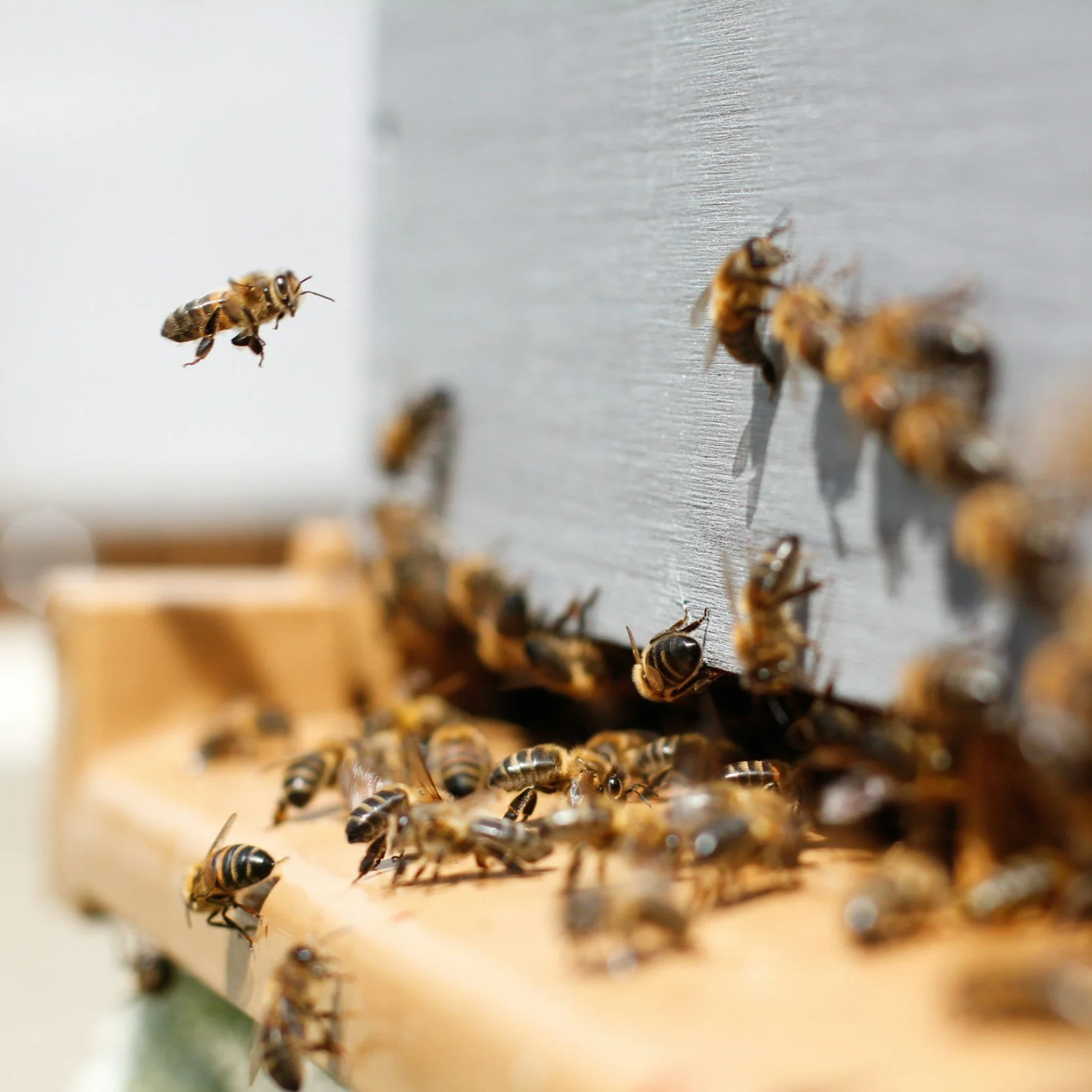
Flies are a symptom, and treating the symptom is why most fly control fails. A swarm in the kitchen, a cloud over the patio, gnats rising from a drain, each one is breeding somewhere specific, and until you find and kill the breeding source, you're just swatting volunteers. Russell Pest Control has chased flies to their source across the Phoenix Valley since 1996, in homes and in the restaurants that can't afford a single one, and the method is the same either way: identify the species, trace it to the rot or moisture it came from, and shut the nursery down.
That restaurant experience matters more than it sounds. We run semi-weekly programs for food-service accounts where a fly isn't an annoyance, it's a health-code violation and a lost five-star review, which means we treat flies as a sanitation-and-breeding problem, not a spray-the-air problem. Bring that rigor to a homeowner's kitchen-gnat mystery, and it gets solved instead of being sprayed.
Restaurant Rigor, Brought Home
Source, Not Symptom
We trace flies to the breeding site (drain, rot, moisture, garbage) and end it there. Swatting is for amateurs.
Restaurant-Tested
Semi-weekly food-service programs where a single fly costs a health score. That rigor comes home with us.
Species Tells the Story
Drain flies, fruit flies, house flies, and phorids each point to a different source. The ID is the diagnosis.
Food-Safe When It Counts
Products labeled for food-handling areas are applied to food-safety standards in kitchens and prep spaces.
Homes & Businesses
Same method, two settings, the kitchen-gnat mystery and the dumpster-corridor swarm both get solved.
Honest Homework
Half the fix is sanitation; we'll coach you through for free, because a spray over a dirty drain is theater.
Three Reasons the Flies Keep Coming Back
The Flies You See Aren't the Problem: the Eggs You Don't Are
An adult fly lives days to weeks; the breeding site producing it runs continuously. Spray the visible swarm, and you've killed a shift, not the factory. Fresh adults emerge from the same drain, the same rot, the same forgotten moisture within a day. This is why fly control that doesn't find the source is an infinite loop, and why our first move is always a hunt, not a treatment. Kill the nursery, and the swarm has nowhere to come from.
Different Flies, Different Crime Scenes
"Flies" is four or five completely different problems wearing one word. Tiny gnats hovering at the sink? Drain flies breeding in the gunk inside your pipes; no amount of counter spray touches them. Fruit flies at the bowl? Fermenting produce or a sticky recycling bin. A house fly invasion? Something's decomposing: a dead rodent in a wall, pet waste, garbage. Phorid flies in a restaurant? Often, a cracked sewer line or organic buildup under equipment. Misidentify the fly, and every step after is wrong.
In a Restaurant, "Mostly Gone" Is a Failing Grade
Homeowners can tolerate a stray fly; a health inspector can't, and neither can the customer who photographs one near their plate. Food-service fly control has to be relentless about sources because the standard is zero where it counts: drains, prep areas, dumpster corridors, and dock doors. We bring that zero-tolerance source discipline to every fly job, which is why our residential customers get a level of fly-hunting most homes never see.
Every Fly Situation: and the Source Behind It
Know Your Fly (Because the Source Is in the Name)
- Drain flies (moth flies): small, fuzzy, hovering at sinks; breeding in drain and pipe biofilm
- Fruit flies: tan, tiny, swarming produce, recycling, and fermenting spills
- House flies: the classic; decomposing organic matter, garbage, pet waste
- Phorid (humpbacked) flies: erratic runners; broken drain lines, organic buildup under equipment
- Blow/bottle flies: metallic green/blue; a dead animal somewhere (often in a wall or attic)
- Fungus gnats: overwatered houseplants and damp potting soil
- Cluster flies: seasonal indoor congregations on warm walls and windows
Where They're Breeding
- Sink, floor, and condensate drains (the #1 hidden source)
- Garbage cans, recycling bins, and dumpster pads
- Overwatered plants, irrigation low spots, and damp mulch
- Pet waste in the yard and litter areas
- A dead rodent or bird in a wall, attic, or chimney
- Rotting produce, spilled soda, and forgotten leftovers
- Restaurant grease traps, mop sinks, and under-equipment buildup
Where It Hurts
- Kitchens, pantries, and food-prep areas
- Patios, pools, and outdoor dining
- Garbage and recycling corridors
- Restaurants, bars, and food-service back-of-house
- Garages, laundry rooms, and anywhere drains run
Identify, Trace, Eliminate: the Process
Identify the Fly
The species is the diagnosis. A two-minute look (or a photo by text) tells us drain fly vs. fruit fly vs. blow fly, and that single ID points us at drains, produce, or a decomposing animal before we've taken a step. Getting this right is most of the job.
Trace It to the Source
Then we hunt: drains tested for biofilm, bins and corners checked, moisture mapped, and (when blow flies show up) a search for what's died where. This is the work most companies skip and the reason their treatments don't last. We don't quote a fix until we've found what's feeding the problem.
Kill the Breeding Site
Source elimination is the actual treatment: biological drain treatments that digest the film flies breed in, removal or correction of the rotting source, moisture fixes, and targeted application where it belongs. In food-service settings, everything's done with products labeled for food-handling areas and to sanitation standards.
Knock Down the Adults
With the source handled, we clear the current adult population, targeted treatment, and, in commercial settings, the right mix of insect light traps, baits, and fly-specific tools. This is the part that makes the room usable today; the source work is what keeps it that way.
The Sanitation Handoff
Half of durable fly control is sanitation, so we coach it for free: which drain to keep clean, the bin lid that needs replacing, the plant to stop overwatering, and the spill behind the equipment. For homes, it's a short, honest list; for restaurants, it's a documented walk-through your staff can run with.
Programs for Places That Can't Have Flies
Food-service and high-stakes accounts go on recurring programs (often semi-weekly) with monitoring, drain maintenance, ILT servicing, and documentation for the health inspector. It's the same source-first method, just held to a standard that never relaxes.
Food Business?
Semi-weekly food-safe programs with documentation are the commercial standard.
Mosquitoes, Not Flies?
The In2Care station system, a season-long mosquito control that beats fogging.
What Fly Control Costs
The Source Sets the Scope
- Residential fly jobs: scoped after the source is identified, a drain-fly fix and a dead-animal hunt are different work
- Often, the most valuable thing we do is free: pinpoint the source and coach the sanitation that ends it
- Commercial / food-service programs: scoped by facility, drains, traps, monitoring, and documentation, usually on a recurring (often semi-weekly) schedule
- Insect light traps and ongoing drain maintenance are quoted as part of commercial programs
- No initial fees, no contracts on residential, same as everything we do
The Honest Warning
If a company quotes a flat "fly treatment" before identifying the fly, they're selling a spray, not a solution. The source sets the scope, and sometimes the source is a $0 conversation about a drain you didn't know was the culprit.
No initial fees. No contracts on residential service. Same-day solutions for active fly threats.
Solve It at the SourceWhen the Source Was Hiding in Plain Sight
Source-First Fly Control vs. Spray-and-Go
| What Matters | Russell Pest Control | Spray-and-Go Outfits |
|---|---|---|
| First step | Identify the species and trace the source | Spray the visible flies |
| Drains | Tested and biologically treated | Ignored, the #1 missed source |
| Dead-animal flies | Located and removed | Sprayed around the smell |
| Food-service grade | Semi-weekly programs, documented | Not equipped for it |
| Products in kitchens | Labeled for food-handling areas | Whatever's on the truck |
| Sanitation coaching | Free, specific, source-targeted | "Keep it clean" and a bill |
| Durability | Source gone = flies gone | Back next week |
| Light traps | Serviced and monitored in programs | Sold and forgotten |
| The honest $0 fix | Sometimes it's just your drain | Always a billable treatment |
| Who answers | Owner or office, same day | Call center |
Why Phoenix Gets Flies: and When They Surge
Heat Speeds the Whole Life Cycle
Fly development is temperature-driven, and Phoenix summers compress egg-to-adult into days; a source that would produce flies slowly in a mild climate becomes a fly factory in our heat. The practical effect: small sanitation lapses turn into swarms fast in summer, and the window between "a few flies" and "an infestation" is shorter here than almost anywhere.
Monsoon Moisture Wakes the Breeders
Storm season adds standing water, damp mulch, and humidity to the equation, and drain and filth flies respond immediately. The post-monsoon weeks bring a reliable fly surge alongside the mosquitoes, the same moisture, different pest. Outdoor garbage and pet-waste sources that stayed dry all spring suddenly start producing.
Garbage Day Math in the Desert
A trash can baking in 110-degree heat is an accelerated decomposition chamber, and once flies find it, the bin breeds its own population between pickups. Bin hygiene is real fly control in Phoenix, and a cracked lid or a never-rinsed recycling bin is a source we flag constantly. The desert punishes a dirty can faster than a temperate climate ever would.
Drains Run Year-Round
Drain flies don't care about the season; the biofilm inside sink, floor, and condensate drains feeds them in January and July alike. They're the Valley's most chronic, most misdiagnosed fly: people bleach the counter while the breeding gunk sits untouched in the P-trap. Year-round indoor fly problems are drains until proven otherwise.
Restaurants and the Dumpster-Corridor Reality
The Valley's food-service density (strip centers, malls, restaurant rows) concentrates organic waste in shared dumpster areas and dock corridors, feeding flies for every nearby business. Commercial fly control here is partly a neighborhood problem, which is why our programs treat the property's perimeter and entry points, not just the kitchen.
Overwatered Desert Landscaping
Fungus gnats and filth flies thrive in the over-irrigated, mulch-heavy landscaping people install to soften a desert lot; damp soil and decomposing organic mulch are nurseries. The fix is often an irrigation adjustment, not a pesticide, and we'll tell you when your fly problem is really a watering problem.
What Restaurant-Grade Fly Work Teaches
Drain Flies: the Biofilm You Can't Bleach Away
Drain flies breed in the gelatinous organic film coating the inside of pipes, and bleach runs straight through it without removing it. The real fix is mechanical and biological: brush the pipe walls and apply enzyme treatments that digest the film itself. The diagnostic trick we teach every customer: tape a bag loosely over the suspect drain overnight; flies caught inside in the morning convict the drain. Simple, free, and it ends the "where are these gnats coming from" argument.
Fruit Flies: Find the Ferment
Fruit flies are a fermentation problem: overripe produce, a splash of wine behind the bar, sticky residue in a recycling bin, the mop water nobody changed. They breed in shockingly thin films of fermenting liquid, which is why a spotless-looking kitchen still has them: the source is a tablespoon of something sweet in a seam. Source elimination plus a vinegar-trap assist clears them; spraying the air does nothing.
Blow Flies Mean Something Died
A sudden bloom of large metallic-green or blue flies indoors is a death notice: a rodent, bird, or other animal decomposing in a wall, attic, chimney, or crawlspace. The flies are diagnostic, and the only real treatment is locating and removing the carcass. This is where our rodent-work experience pays off on a fly call: we know the wall voids and attic corners animals die in, because we're the ones who trap them.
Phorid Flies: the Restaurant's Nightmare
Phorid (humpbacked) flies run rather than fly and breed in the worst hidden sources: cracked sewer lines under slabs, organic sludge beneath equipment, and drain breaks behind walls. In food service, they're a red alert because the source is often a plumbing failure, not a sanitation lapse. Finding a phorid source can mean smoke-testing drains and pulling equipment; it's detective work, and it's exactly the kind of problem semi-weekly commercial accounts rely on us to solve.
Insect Light Traps, Placed by Behavior
In commercial settings, insect light traps are a real tool, but only when placed by fly behavior: out of sight of the entrance (so they don't draw flies in), away from food-prep surfaces, at the heights and zones flies actually travel. A light trap in the wrong spot is an expensive night light. Servicing and monitoring the catch also turns the trap into a data source; a spike tells us a new source opened up.
Food-Handling Labels Are Non-Negotiable
In any kitchen, prep area, or food-storage space, only products labeled for those areas get used, applied the way the label and food-safety standards require. This is the discipline that lets us work in restaurants without creating a contamination problem worse than the flies, and it's the same care we bring to a homeowner's kitchen, where the food is just as real.
The Sanitation Truth Nobody Wants to Hear
The honest core of fly control: no treatment outperforms removing the source, and the source is usually a sanitation or moisture issue, not a pest issue. We say it plainly because the alternative (selling endless sprays over an untreated drain) is how the industry loses trust. Our job is to find the source, treat what can be treated, and tell you exactly what to clean. Do the homework and the flies stay gone; that's the deal, and we're straight about it.
Fly Questions, Answered Straight
Why Do I Have Tiny Flies at My Kitchen Sink?
Almost always, drain flies breed in the organic film inside the drain, and you can't bleach them out. Tape a bag over the drain overnight; flies caught by morning confirm it. The fix is mechanical cleaning plus an enzyme treatment that digests the film, not counter spray.
What's the Difference Between Fruit Flies and Drain Flies?
Fruit flies are tan, swarm, produce and fermenting spills, and hover around the bowl; drain flies are darker, fuzzy, moth-like, and sit on walls near sinks. Different sources, different fixes, which is exactly why identifying the fly is step one of every job.
Suddenly, There Are Big Flies Everywhere Inside. Why?
Large metallic-green or blue flies appearing indoors usually mean an animal has died somewhere: a rodent in a wall, a bird in the chimney, something in the attic. The flies are the clue; the fix is to find and remove the source. Our rodent experience makes us good at knowing where to look.
Can't I Just Use Fly Spray or a Bug Zapper?
They kill adults you can see, while the source keeps producing more, so you're treating symptoms forever. Sprays and zappers play a small supporting role, but without source elimination, the flies return on schedule. We'd rather find your source than sell you a season of spray.
Do You Handle Restaurants and Food Businesses?
Yes, it's some of our most demanding work. We run recurring, often semi-weekly, food-service programs with drain treatment, monitored light traps, food-labeled products, and documentation for health inspections. The standard there is zero flies where it counts, and that discipline is real.
How Fast Can You Get Rid of Them?
Adults clear quickly once treated; the breeding source is what determines whether they stay gone. A drain-fly fix can resolve in days; a hidden dead animal resolves the day it's removed; a chronic sanitation source resolves when the sanitation does. We'll give you the honest timeline after we find the source.
Are the Treatments Safe Around Food and Pets?
In kitchens and food areas, we use only products labeled for those spaces, applied to food-safety standards; that's non-negotiable. At home, treatments are targeted to sources and harborage, not sprayed over surfaces, and we'll give you the usual dry-time guidance for any treated area.
I Keep Getting Gnats From My Houseplants. Is That a Fly Problem?
Fungus gnats, and yes, we handle them, but the real fix is usually water, not pesticide. Overwatered soil breeds them; letting the top inch dry between waterings, and sometimes a soil treatment, ends it. We'll tell you honestly when your fly problem is a watering habit.
The Flies Came Back a Week After I Cleaned. Why?
Because the source survived the cleaning: a drain you bleached but didn't brush, a bin that's clean but cracked, a spill in a seam you missed, or a source you haven't found yet. Recurring flies after cleaning are a signal to bring in someone who'll trace them instead of guessing. That tracing is what we do.
Do I Need an Ongoing Program or a One-Time Visit?
Homes usually need a source fix and a sanitation tweak, not a subscription. We'll tell you if a one-time solve is genuinely enough. Food-service and properties with chronic external sources (shared dumpsters, neighboring restaurants) benefit from a recurring program because the pressure never stops. Honest answer either way.
Stop Swatting. Let's Find Where They're Coming From.
Species ID, a real source hunt, treatment where it belongs, and the free sanitation coaching that keeps them gone, fly control held to the standard our restaurant accounts demand, brought home to your kitchen. Since 1996.
Expect the best from Russell Pest, and have a bug-free day.
Hours
- Monday-Friday: 8:00 AM - 5:00 PM
- Same-day & emergency service available, after hours and weekends, owner-answered
- Restaurant programs scheduled around your service hours
Fly Service Area
Phoenix (HQ), North Mountain Village, Camelback East, Moon Valley, Ahwatukee, Scottsdale and North Scottsdale, Paradise Valley, Cave Creek, Carefree, Fountain Hills, Mesa, Gilbert, Chandler, Tempe, Glendale, Peoria, Surprise, Goodyear, and Avondale.