
Signs Cockroaches Are Hiding Behind Your Walls
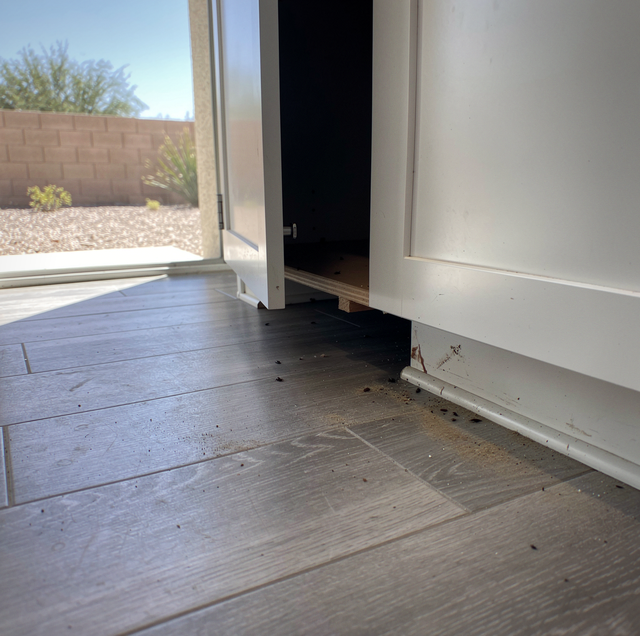
Spot a single cockroach crossing the kitchen floor at night, and squashing it settles nothing. Check the plumbing wall behind the sink for pepper-fleck droppings along the baseboard. Run a flashlight along the gap where the cabinet meets the wall and look for a faint musty smell. Pull out the dishwasher a few inches and check underneath for a cluster of small brown egg cases. That one visible roach is rarely alone, and the walls it retreated into usually hold the rest of the story.
Why a Single Sighting Means So Little
Cockroaches are nocturnal and light-averse by instinct, so any roach seen moving in the open during the day, or even scurrying across a counter when a light switches on at night, represents a small fraction of the colony that has been pushed out of an already-crowded hiding spot. German cockroaches, the species behind the overwhelming majority of indoor infestations, prefer tight, warm, moist crevices close to food and water: behind a dishwasher's front panel, inside the motor housing of a refrigerator, beneath a sink cabinet where a pipe passes through drywall, or in the gap between a stove and the counter.
The reproductive math explains why one sighting can mean dozens more. A female German cockroach carries an egg case, called an ootheca, containing 30 to 40 eggs and produces a new one roughly every 3 to 4 weeks under favorable conditions. Nymphs mature to reproductive age in about six to eight weeks. Under warm, humid conditions, a population that starts as a handful of roaches riding in on a grocery bag or a delivery box can multiply into hundreds within a few months, all while staying hidden inside wall voids and cabinet gaps during daylight hours.
The Droppings Tell You Where They're Concentrated
Roach droppings are the most reliable sign of an established population, and they look different depending on the age and size of the roach producing them. German cockroach droppings resemble coarse black pepper flecks or coffee grounds, often found in a fine scattering along the back edge of a cabinet shelf, in a drawer track, or in the corner where a baseboard meets the wall near a heat source like a refrigerator compressor. Larger American cockroaches, which favor drains, sewers, and damp utility areas over kitchen cabinets, leave larger, cylindrical droppings with blunt ends, closer in size to a grain of rice.
A concentrated pile of droppings in one specific spot, rather than a few scattered flecks, usually marks the exact location of a nesting site inside the wall or cabinet void behind that point. That concentration is worth noting precisely, since it tells a technician exactly where to focus a crack-and-crevice treatment rather than spraying an entire kitchen broadly.
A Smell That Gets Stronger Near the Nest
A heavy cockroach population produces a distinct, oily, musty odor, caused by pheromones that roaches release to mark favorable harborage sites and communicate about food sources. In a light infestation, the smell may be barely noticeable, but as the population grows, it becomes a persistent background odor, often strongest near the nest site itself: inside a cabinet, behind an appliance, or around a floor drain. Opening a cabinet door and getting a stronger whiff of that odor than the rest of the room is a reliable pointer toward where the bulk of the colony is hiding, more precise than droppings alone in some cases since the smell radiates from the void itself.
Egg Cases Reveal How Long the Problem Has Been Building
Finding empty, hatched egg casings, thin brown capsules about a quarter-inch long, in a drawer track or behind an appliance kick plate confirms that reproduction has already been happening in that spot for at least several weeks, since a female typically carries her ootheca for one to two days before depositing it in a hidden crevice rather than dropping it in the open. A cluster of several hatched casings in one location signals a nesting site that has been active through more than one reproductive cycle, meaning the population found is likely larger than what has been seen crossing the floor.
Smear Marks and Grease Trails
Cockroaches leave dark, irregular smear marks along the paths they travel repeatedly, caused by the oils on their bodies transferring onto surfaces as they squeeze through tight gaps night after night. These marks most often appear along the underside of a cabinet edge, around a pipe penetration under a sink, or along a baseboard near a refrigerator. A visible smear trail leading from a gap in the wall to a food source is essentially a roach highway, marking the exact travel route a nest uses each night, and it often points a technician's flashlight straight to the entry gap worth sealing.
Why Walls and Voids Are the Real Problem, Not the Kitchen Floor
Treating only the visible surfaces of a kitchen, wiping counters and spraying an open floor, misses the population entirely, since German cockroaches spend the overwhelming majority of their time inside voids: behind wall outlets, inside the hollow base of kitchen cabinets, within the insulated housing of a refrigerator's compressor compartment, and inside drop ceilings above commercial kitchens. Surface cleaning removes food residue, which helps reduce attraction, but it does nothing to the population living an inch or two behind the drywall or cabinet panel.
That is why a real treatment plan targets cracks, crevices, and voids directly, using gel baits placed inside cabinet hinges and along travel paths, combined with dust formulations injected into wall voids and behind outlet covers where roaches travel and rest. This approach works with roach biology rather than against it: since German cockroaches groom themselves and each other constantly, a bait ingested by one roach frequently gets transferred to others through contact, spreading control through a hidden population that direct spraying alone would never reach.
Wet-Season Storms Raise the Odds of a Flare-Up
Storm activity in late summer can alter conditions within a home's plumbing walls, even when nothing changes in the kitchen itself. Heavy rain can push moisture and displaced roaches from storm drains and irrigation boxes toward foundations and utility penetrations, and higher humidity indoors gives an existing population better conditions to reproduce faster than during the dry months. A kitchen that seemed manageable through spring can show a sudden jump in nighttime sightings once the summer storm pattern sets in, and that jump usually reflects a population that was already present and simply reproducing faster, not a brand-new introduction.
Frequently Asked Questions
Not necessarily. Roaches are naturally nocturnal regardless of population size, so nighttime-only sightings reflect their normal activity pattern rather than an early-stage problem. Keeping a kitchen light on overnight can suppress visible activity almost entirely, even in a heavily infested space, since roaches avoid exposure on instinct rather than only when they are not hungry. Droppings, egg casings, and odor are far more reliable indicators of how large a hidden population actually is than a flashlight count ever will be.
A partial cleanup, a store-bought spray, or a change in food availability can suppress activity temporarily by killing surface-active roaches while the hidden population inside wall voids continues reproducing undisturbed. Once that hidden population rebuilds its numbers, activity resumes, often appearing as a sudden "return" of a problem that was never actually eliminated.
Yes. Cleanliness reduces the food and grease residue that draws roaches in and lowers what a population can sustain, but it does not address existing populations already living inside voids, nor does it stop roaches traveling in from a neighboring unit in an attached or multi-family building. A spotless counter can sit directly above an active nest inside the cabinet base below it.
Yes, this is common in duplexes, townhomes, and apartment buildings, since German cockroaches travel through shared plumbing chases, wall voids, and utility penetrations that connect adjoining units. A single untreated unit in a shared building can repeatedly reintroduce roaches into neighboring units even after those units are treated individually.
Yes. Cockroach body parts, shed skins, and droppings contain proteins that are a well-established asthma and allergy trigger, particularly for children, and the concentration of those allergens rises with the size of the hidden population rather than just with how many roaches are seen. A heavy hidden infestation can affect indoor air quality even in rooms where no live roach has ever been spotted.
It depends on how much of the hidden population and its egg cases the treatment actually reaches. Because oothecae can be tucked deep inside voids, a treatment that only addresses visible surfaces can leave viable egg cases behind, and those can hatch weeks later, producing a fresh wave of nymphs that appear to be a new infestation when they are really a leftover one.
The roach on the floor is just the one that got pushed out of a crowded hiding spot. Droppings, egg casings, smear trails, and a stronger smell near one cabinet all point back toward the same void behind the wall, and that's the spot a real treatment has to reach for the nighttime sightings to actually stop.
Get the hidden nest found and treated at the source — not just the roach you saw on the floor. Russell Pest Control serves the Phoenix Valley. Call (623) 469-7583.
