
Flea & Tick Control in Phoenix, AZ: Break the Life Cycle, Protect the Family
Fleas in the carpet, ticks on the dog, or itchy ankles in the yard? Call, a real person answers, and we'll treat the whole cycle, not just the bugs you can see.
Pets or No Pets: Yard and Home Together.
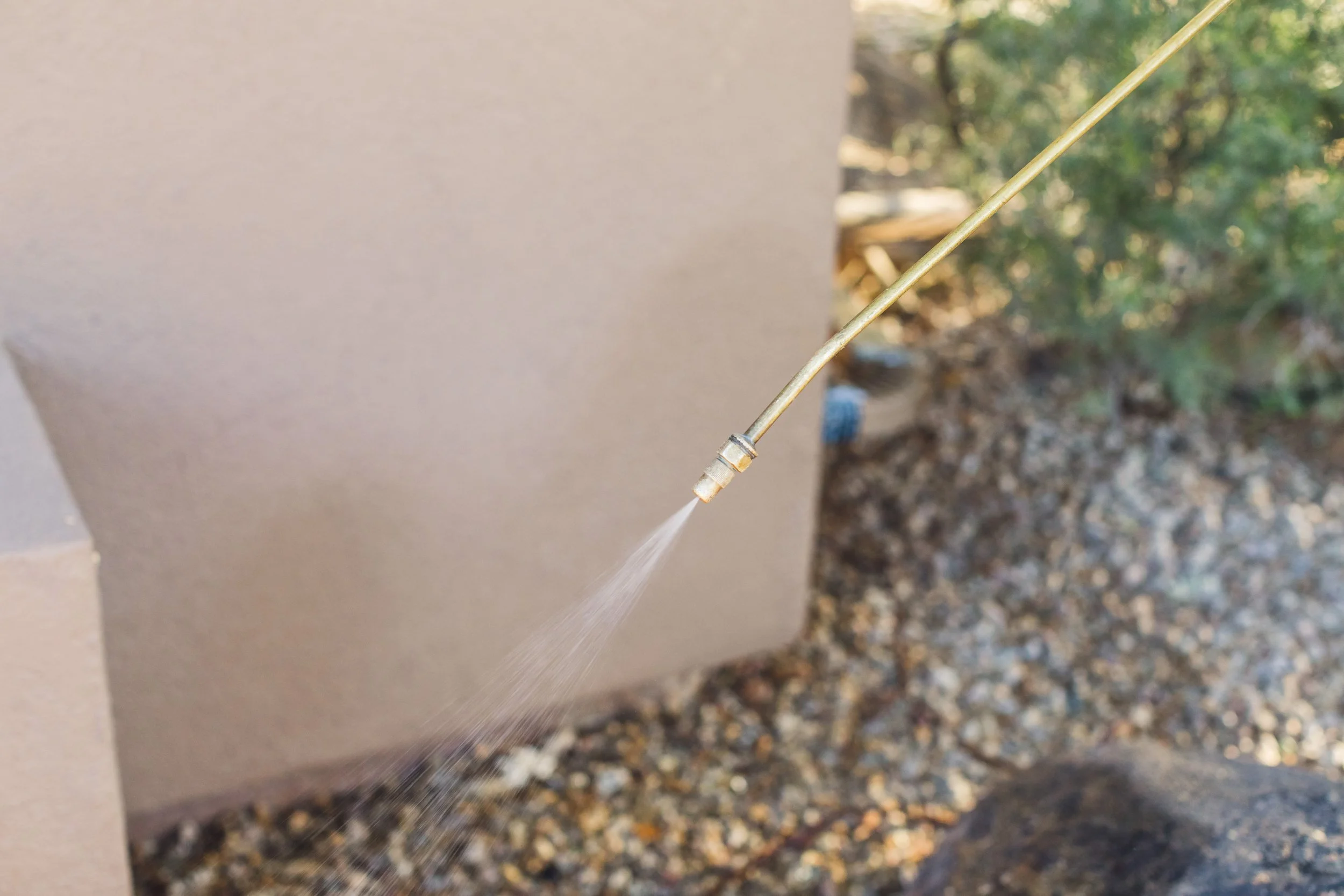
Fleas and ticks are a year-round concern in the Phoenix Valley, not a summer one; our mild winters never break the cycle the way a hard freeze does up north, so they stay active twelve months a year. Russell Pest Control has controlled them since 1996, and the desert adds a wrinkle most homeowners don't expect: you don't need pets to get them. Packrats, roof rats, rabbits, coyotes, and the rest of the desert's wildlife carry fleas and ticks right onto your property, dropping them in the yard where they wait for a host, sometimes your dog, sometimes your kids' ankles.
Controlling them takes more than treating the animal, because the pet is the tip of the iceberg: the overwhelming majority of a flea population lives in your carpet, yard, and pet bedding as eggs, larvae, and pupae, not as the adults you see. Treat only the visible fleas, and the hidden generations keep hatching for weeks. Our approach breaks the whole life cycle (yard, home, and harborage together), and ticks get serious attention because in Arizona, the brown dog tick can transmit Rocky Mountain spotted fever, a genuine health risk to people and pets.
The Whole Cycle, Not Just the Bites
The 95% You Can't See
Most of a flea population is eggs, larvae, and pupae in the carpet and yard. We treat the cycle, not just the adults.
Pets Optional
Desert wildlife (packrats, rabbits, coyotes) brings fleas and ticks to pet-free homes. We treat the source too.
Yard + Home Together
Treat one and reinfest from the other. Both get handled in coordination with your vet's pet treatment.
Ticks Taken Seriously
The brown dog tick transmits Rocky Mountain spotted fever in Arizona. This is a health issue, not just an itch.
Year-Round Reality
No winter freeze means no off-season. Valley flea and tick control is a twelve-month job.
Coordinated With Your Vet
We handle the environment; your vet handles the pet. Both halves are needed; we'll tell you so.
Three Truths About Phoenix Fleas and Ticks
The Fleas You See Are 5% of the Problem
For every adult flea on your pet or hopping across the floor, there are roughly twenty more in egg, larva, and pupa form hidden in carpet fibers, pet bedding, furniture seams, and shaded yard soil. This is why flea problems seem unkillable: you treat the adults, feel victorious, and a week later, a new wave hatches from the pupae that survived. Pupae are especially tough; they can lie dormant for months and resist treatments entirely. Real flea control has to account for the whole life cycle over time, which is exactly what DIY foggers and a single pet treatment don't do.
You Don't Need a Pet to Get Them
It surprises people, but the desert constantly delivers fleas and ticks to pet-free homes: packrats and roof rats nesting near the house, rabbits crossing the yard, and coyotes and other wildlife passing through all carry them and drop eggs and adults wherever they travel. A wildlife problem becomes a flea-and-tick problem, which is why our control often includes addressing the rodent or wildlife pressure, feeding it. If you have fleas and no pets, the question isn't "where did these come from", it's "what wildlife is visiting," and we'll help you answer it.
Arizona Ticks Carry Real Disease
This is the part that makes tick control a health issue, not a comfort one: the brown dog tick is established in Arizona and can transmit Rocky Mountain spotted fever, a serious and potentially fatal disease, to both dogs and people. Unlike fleas, which are mostly miserable, ticks carry genuine medical risk, which is why we treat tick situations with appropriate seriousness, especially around homes with dogs, kids, and desert-edge exposure. The itch is the least of it.
Every Flea and Tick Situation in the Valley
What You're Dealing With
- Cat fleas: the most common flea on both dogs and cats in the Valley
- Brown dog tick: the Arizona disease vector; survives indoors, infests homes and kennels
- Other ticks carried in by desert wildlife
- Wildlife-sourced infestations: packrats, roof rats, rabbits, coyotes as carriers
- Pet-free home infestations from rodent and wildlife nesting
Where They Live and Breed
- Carpet, rugs, and furniture seams (the flea nursery)
- Pet bedding, favorite resting spots, and along baseboards
- Shaded, moist yard areas: under shrubs, decks, and patios
- Block walls, kennels, and dog runs (brown dog tick's favorite)
- Wildlife nesting and travel routes near the structure
- Cracks and crevices indoors where larvae develop
Signs and Concerns
- Pets scratching, biting, or losing hair
- Flea dirt (dark specks) in pet fur or bedding
- Bites around the ankles and lower legs of people
- Ticks found on pets, especially on the ears, neck, and between the toes
- Ticks crawling on walls or in kennel areas (brown dog tick climbs)
- Itchy household with no pets (wildlife-sourced)
- Disease risk: Rocky Mountain spotted fever from tick bites
Yard, Home, and Source: the Whole-Cycle Process
Inspect and Find the Source
We identify the problem (fleas, ticks, or both), check the hot spots (pet areas, carpet, yard shade zones, kennels), and look for the source, including wildlife or rodent activity bringing them in. For pet-free homes, especially, finding the carrier is the key that unlocks the whole fix.
Treat the Yard
Outdoor treatment targets the shaded, moist harborage where fleas and ticks develop and wait: under shrubs, decks, and patios, along block walls and kennels. The yard is often the reservoir reinfesting the home, so treating it is essential, not optional, and it's the step that pet-only treatment completely misses.
Treat the Home
Indoor treatment covers the carpet, baseboards, pet bedding areas, and furniture seams where eggs, larvae, and pupae hide, with products that address multiple life stages. We coordinate with your prep (vacuuming, washing pet bedding) because that mechanical work dramatically boosts the treatment, especially against resistant pupae.
Address the Wildlife or Rodent Source
If packrats, roof rats, or other wildlife are feeding the infestation, treating the bugs without addressing the carrier is a losing battle. We'll scope the rodent or exclusion work needed to cut off the supply; it's the same integrated thinking that connects all our desert pest work.
Coordinate With Your Vet
Honest division of labor: we treat the environment, your veterinarian treats the pet, and both are required to win. We'll tell you plainly that environmental treatment alone won't keep a flea problem gone if the pet isn't on a vet-recommended preventive, and vice versa. The two halves together break the cycle; either alone leaves a door open.
Follow-Up for the Hatch-Out
Because flea pupae survive initial treatment and hatch over the following weeks, follow-up treatment is often part of breaking a real infestation. The second pass catches the newly emerged adults before they breed again. We plan for the life cycle rather than declaring victory at the first quiet day, and ongoing service keeps the yard reservoir down year-round.
The Wildlife Reservoir
Packrats and roof rats carry the problem in; trapping and exclusion cut off the supply.
Keep the Yard Reservoir Down
Year-round pressure is what recurring service is built for.
What Flea and Tick Control Costs
Scoped to the Whole Cycle
- Whole-cycle treatment (yard + home) scoped after inspection, infestation severity, and property size vary the work
- Follow-up treatment is often part of the scope, pupae hatch over weeks, so one visit rarely finishes a real infestation
- Wildlife/rodent source work scoped separately when a carrier is feeding the problem
- Year-round pressure means recurring service is often the smart play for the yard reservoir
- No initial fees, no contracts, quote holds
Why One-Time Sprays Disappoint
A one-time flea spray that ignores the yard, the life cycle, and the wildlife source is why people say, "we treated for fleas and they came right back." We scope the real job and tell you honestly what your vet needs to handle on the pet side.
Flea and Tick Work, In Practice
The Rescued Kitten: There Within Hours
"Russell Pest has been treating our home and business office monthly for over two decades. When we took in an abandoned kitten and discovered it had fleas, we contacted Russell Pest to help eradicate the pests from our home. They were there within hours. We can always count on them for regular maintenance and special needs." A rescued kitten can seed an entire home with fleas fast, and "there within hours" is exactly the response a flea situation needs before the life cycle takes hold.
- Heather B., Google reviewThe Pet-Free Puzzle, Solved
Some of the most satisfying flea calls come from homes with no pets; the homeowner is baffled, sometimes a little defensive, and certain they did nothing wrong. The answer is almost always wildlife: a packrat midden against the house, roof rats in the citrus, rabbits crossing the yard. Solving it means treating the environment and cutting off the carrier, and the relief on a pet-free homeowner's face when the mystery has a logical answer is its own reward. You didn't do anything wrong; the desert just made a delivery.
The Dog the Family Got Back
"They are also very patient with my dog that barks non-stop." Flea and tick work is pet-household work, and being good with the animals is half the job: a calm tech, a coordinated plan with the vet, and a yard the dog can finally enjoy without bringing the problem back inside. The dog gets its yard back; the family gets its peace.
- Chloe B., Google reviewWhole-Cycle Control vs. Spray-the-Pet-and-Pray
| What Matters | Russell Pest Control | One-Time Spray Outfits |
|---|---|---|
| Life cycle | All stages, yard + home, over time | Adults you can see, once |
| The yard | Treated as the reservoir it is | Ignored, reinfests the home |
| Pet-free homes | Wildlife source found and cut off | Confused and ineffective |
| Tick disease risk | Taken seriously (RMSF vector) | Treated like an itch |
| Vet coordination | Honest division of labor | Not mentioned |
| Follow-up | Planned for the pupae hatch-out | One visit, then relapse |
| Wildlife carriers | Rodent/exclusion work scoped | Never addressed |
| Pets | Coordinated, pet-aware treatment | Spray and leave |
| Durability | Cycle broken, source cut | Back in a week |
| Who answers | Owner or office, same day | Call center |
Why the Valley Has a Year-Round Flea and Tick Problem
No Winter Freeze, No Off-Season
Up north, a hard winter freeze knocks back flea and tick populations every year; the Valley's mild winters never do, so the cycle runs twelve months. This is the single biggest difference desert flea and tick control has from the rest of the country; there's no seasonal reset, which means no "we'll deal with it next spring." Year-round pressure calls for year-round awareness, and it's why recurring service makes more sense here than in colder climates.
Desert Wildlife Is the Delivery System
The Valley's wildlife (packrats, roof rats, rabbits, ground squirrels, coyotes, and more) are mobile flea and tick reservoirs, and as homes push into desert habitat, that wildlife travels right through yards. Every animal that crosses your property can drop eggs and adults, which is why desert-edge homes and properties with rodent activity see more flea and tick pressure, regardless of whether they own pets. The desert doesn't care about your fence.
Brown Dog Tick Thrives Indoors Here
Unlike most ticks, the brown dog tick can complete its entire life cycle indoors, infesting homes, kennels, and dog runs, and it's the Arizona species that transmits Rocky Mountain spotted fever. This indoor capability makes it especially persistent and especially worth taking seriously: an infestation can establish in the house and climb walls, not just hide in the yard. Phoenix has had documented RMSF concerns, which is exactly why we don't treat ticks casually.
Shade and Moisture Concentrate Them
Fleas and ticks need humidity and shelter that the open desert doesn't offer, so they concentrate in the irrigated, shaded microclimates we build under shrubs and decks, in mulched beds, around pet areas, and block walls. A xeriscaped, sun-baked yard is hostile to them; a lush, shaded one is hospitable. We target these specific microhabitats because that's where the developing stages actually survive in our climate.
Pet Doors and Indoor-Outdoor Pets
Dogs and cats with yard access are constant shuttling between the outdoor reservoir and the indoor environment, carrying eggs and adults in both directions through every pet door and open slider. This is why treating only indoors or only the pet fails; the animal re-seeds whichever environment you didn't treat. Breaking that shuttle means treating yard, home, and pet in coordination, which is the whole point of our approach.
Monsoon Humidity Boosts Survival
The summer monsoon's humidity spike improves flea and tick survival in the yard, driving a seasonal increase in activity on top of the year-round baseline. Combined with the wildlife movement that storms trigger, the monsoon weeks are a predictable uptick, and a good time to have the yard reservoir already under control rather than scrambling after the dog starts scratching.
What Thirty Years of Flea and Tick Work Teaches
Why the Pupae Problem Defeats DIY
The flea life cycle has four stages, and the pupa is the one that beats homeowners: encased in a protective cocoon, pupae resist insecticides and can stay dormant for weeks to months, hatching when they sense a host's vibration, warmth, or carbon dioxide. This is why a fogger seems to work and then fails, it kills adults and exposed larvae but leaves the pupae, which then hatch into a fresh adult wave. Professional control plans for this with timing and follow-up, and leverage the mechanical assist of vacuuming, which physically removes pupae and stimulates dormant ones to emerge into a treated environment. You can't spray your way past the pupae; you have to outlast them.
The 95-Percent Rule
Roughly 95 percent of a flea infestation exists as eggs, larvae, and pupae in the environment, not as the adults on the pet. This single statistic explains every failed flea treatment: focus on the visible 5 percent and the hidden 95 percent regenerates the problem. Effective control inverts the focus, treating the carpet, bedding, and yard where the developing stages live, so the environment stops producing new adults. The pet treatment your vet provides handles the adults that find the host; our environmental work shuts down the factory. Both are necessary; neither is sufficient alone.
Brown Dog Tick: the Indoor Infester
Most ticks need outdoor humidity to survive, but the brown dog tick is adapted to the dry indoor environment of homes and kennels, allowing it to establish full indoor infestations: engorged ticks dropping off to molt in cracks, climbing walls, hiding behind baseboards, and in kennel structures. This changes the control approach entirely: it's as much an indoor harborage problem as a yard problem, requiring crack-and-crevice treatment and attention to where ticks drop and molt. And because it's the RMSF vector, getting it right has stakes beyond comfort.
The Wildlife Reservoir Most Companies Ignore
In the desert, the durable flea and tick problem is usually a wildlife problem in disguise: a packrat midden, a roof rat colony in the citrus, rabbits denning near the foundation, all serving as mobile reservoirs that re-seed the yard no matter how well you treat it. This is where our integrated approach pays off: we don't just treat the bugs, we identify and address the carrier through rodent control and exclusion. A flea treatment over an active packrat midden is a temporary fix; cutting off the reservoir is the lasting one.
Coordinating the Environment and Host
The honest truth we tell every pet owner: environmental treatment and veterinary pet treatment are two halves of one solution, and skipping either keeps the cycle alive. The pet brings adults in from outside; the environment produces new adults that jump back on the pet, break only one link, and the loop continues. We handle the environment expertly and coordinate the timing with your vet's preventive, because the customers who win against fleas are the ones who do both halves at once, rather than alternating and wondering why it never fully resolves.
Targeting the Microclimates
In our dry climate, fleas and ticks survive only in specific humid, shaded microhabitats, which is actually an advantage for control: instead of blanket-treating a yard, we can target the under-shrub shade, the mulched beds, the area beneath the deck, the block-wall bases, and the pet resting spots where the developing stages concentrate. Precise targeting means more effective control with less product, desert-smart placement applied to fleas and ticks, just as we target valve boxes for ants and harborage for scorpions.
The Disease-Prevention Mindset
We approach ticks specifically as a public-health matter, not just a pest nuisance, because Rocky Mountain spotted fever is real, serious, and present in Arizona, early symptoms mimic the flu, and delayed treatment can be fatal. That mindset raises our standard: thorough control, honest communication about checking pets and people for ticks after desert exposure, and a recommendation to see a doctor promptly for any concerning bite. Most pest problems are about comfort and property; tick control is partly about keeping a family safe, and we treat it that way.
Flea and Tick Questions, Answered Straight
I Treated My Pet, but It Still Has Fleas. Why?
Because the pet is only about 5 percent of the problem, the other 95 percent is eggs, larvae, and pupae in your carpet, bedding, and yard, regenerating new adults that jump right back on the pet. Treating the animal without treating the environment leaves the factory running. You need both your vet's pet treatment and environmental control of the home and yard, together.
How Do I Have Fleas When I Don't Even Own a Pet?
Desert wildlife brought them: packrats, roof rats, rabbits, or other animals nesting near or crossing your property, drop fleas and ticks in the yard, where they wait for any host, including you. Pet-free flea problems are a wildlife problem in disguise, which is why our control often includes addressing the rodent or wildlife source feeding it.
Are Ticks in Phoenix Actually Dangerous?
Yes, the brown dog tick is established in Arizona and can transmit Rocky Mountain spotted fever, a serious and potentially fatal disease, to dogs and people. That makes tick control a health matter, not just a comfort one. Check pets and family for ticks after desert exposure, remove them promptly and properly, and see a doctor for any concerning bite or symptoms. Rocky Mountain spotted fever is treatable when caught early.
Why Do Fleas Keep Coming Back After I Treat?
Almost always, the pupae survive initial treatments in protective cocoons and hatch over the following weeks, producing the "they came back" wave. Effective control plans for this with follow-up treatment and the vacuuming that removes and triggers pupae. If your yard or a wildlife source isn't being treated either, that's a second reason they return.
Do I Need to Treat My Yard, or Just Inside?
In most cases, the yard is frequently the reservoir reinfesting the home, especially with the Valley's wildlife pressure and shaded microclimates. Treating only indoors leaves the outdoor source intact, and your indoor-outdoor pet keeps shuttling it back in. Whole-cycle control means yard and home together.
Will I Need a Follow-Up Visit?
Often yes for a real infestation, because of the pupae hatch-out, the follow-up catches the newly emerged adults before they breed again and complete another cycle. We plan for the life cycle rather than declaring it done on the first quiet day, and we'll tell you the realistic timeline after inspection.
Are the Treatments Safe for My Pets and Kids?
Yes, applied properly, we coordinate timing with you so pets and kids are clear of treated areas until dry, and indoor treatment targets carpet, baseboards, and harborage per the label. We'll give you specific prep and re-entry guidance, and we coordinate with your vet so the pet's treatment and ours work together safely.
How Should I Check My Pets and Family for Ticks?
For pets: ears, around the neck and collar line, between the toes, and under the legs, daily during peak activity if your dog uses desert trails or the yard backs open space. For people: after desert exposure, a quick check of ankles, waistline, and hairline. Remove any tick promptly with tweezers from the skin, and see a doctor for any concerning bite or flu-like symptoms. Rocky Mountain spotted fever is treatable when caught early.
When Is Flea and Tick Season in Phoenix?
All year, the Valley's mild winters never break the cycle the way a hard freeze does elsewhere. There's a monsoon-season bump when humidity improves their survival, but the honest answer is that desert flea and tick control is a twelve-month commitment, which is why one-time treatments disappoint here.
Should I Use a Flea Bomb or a Fogger?
We'd advise against relying on them; foggers spray insecticide across open surfaces, but don't penetrate the depths of carpets, furniture seams, and pupae cocoons where most of the infestation lives, and they don't reach the yard reservoir at all. They create a false sense of victory right before the pupae hatch. Targeted treatment of the actual harborage, plus the yard and the source, is what works.
What Our Customers Say
Real reviews from homeowners and businesses across the Phoenix Valley.
Break the Whole Cycle: Yard, Home, and Source
Whole-life-cycle treatment, wildlife-source control, honest coordination with your vet, and the follow-up that beats the pupae, flea, and tick control by the family that knows the desert's twelve-month reality, since 1996. Protect the pets, protect the family, and take the disease risk seriously.
Expect the best from Russell Pest, and have a bug-free day.
Hours
- Monday-Friday: 8:00 AM - 5:00 PM
- Same-day & emergency service available, after hours and weekends, owner-answered
Flea & Tick Service Area
Phoenix (HQ), North Mountain Village, Camelback East, Moon Valley, Ahwatukee, Scottsdale and North Scottsdale, Paradise Valley, Cave Creek, Carefree, Fountain Hills, Mesa, Gilbert, Chandler, Tempe, Glendale, Peoria, Surprise, Goodyear, and Avondale.