
Medical, Dental & Veterinary Pest Control in Phoenix: Sensitive Spaces, Done Right
Running a medical, dental, veterinary, childcare, or senior-care facility and need pest control that respects it? Call, a real person answers, and we'll talk through your facility's specific protocols.
Before-Open Service - Protocol-Aware Care.
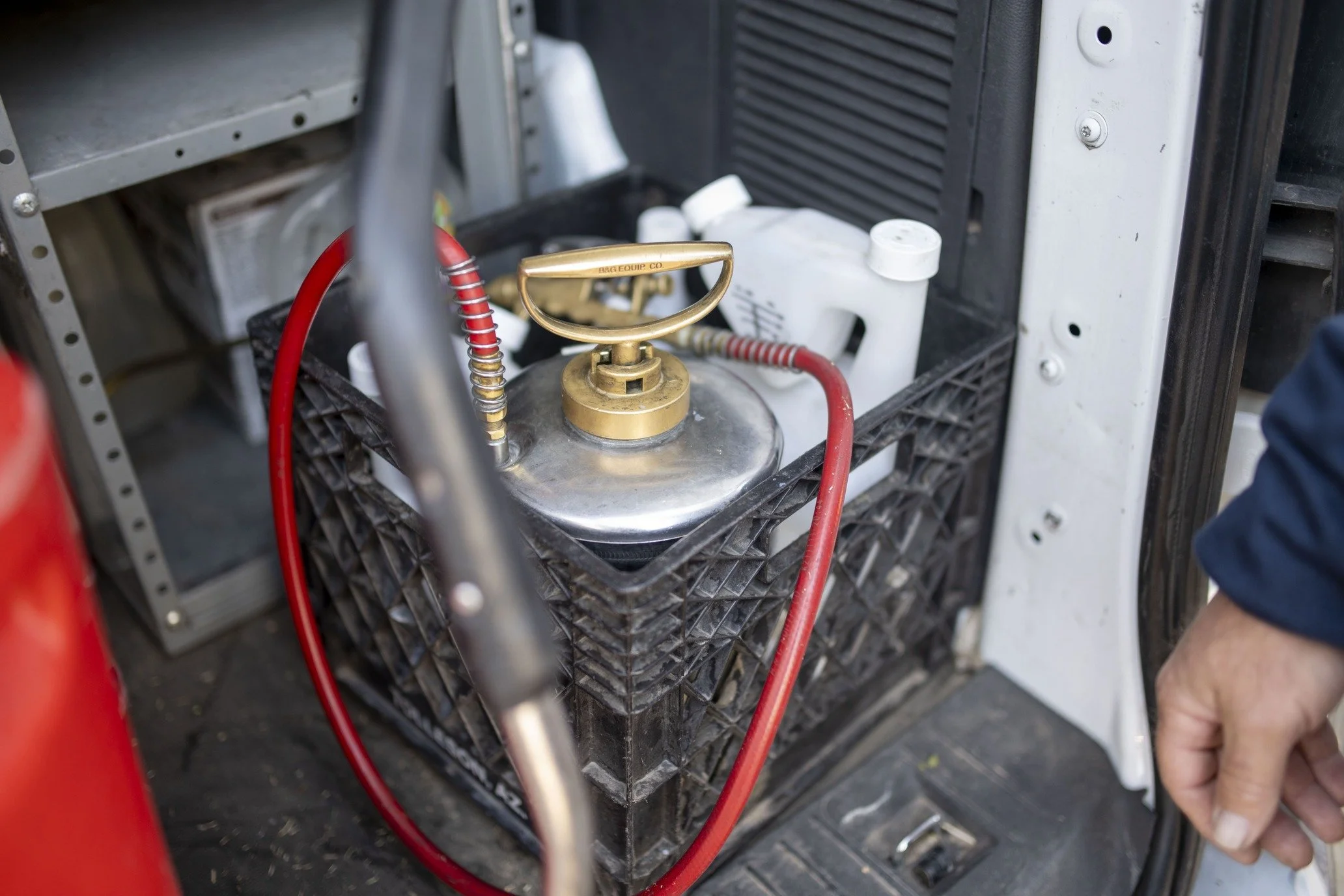
A medical, dental, or veterinary office can't be serviced like a warehouse: these are sensitive, regulated, patient-occupied environments where pest control has to be discreet, appropriately timed, and done with products and methods suited to a health-care setting. Russell Pest Control has protected Phoenix Valley health-care facilities for years, treating independent family dental practices, pediatric offices, and animal hospitals with the protocol-awareness these spaces demand: early-morning treatments before patients arrive, specific products chosen for the environment, and service that never disrupts care. When patients' health and comfort are the whole point of the space, pest control has to protect that, not complicate it.
Health-care pest control is its own discipline: a pediatric office, a dental practice, and a veterinary hospital each have their own sensitivities, schedules, and regulatory considerations, and a generic commercial route doesn't fit any of them. We service these accounts early, before doors open, with the right products and a discretion that keeps pest control invisible to patients. And we bring the same care to the broader family of sensitive environments (childcare centers, daycares, and senior-living facilities) where the people being protected are exactly those who most need a careful, knowledgeable approach.
Invisible, Complete, and Gone Before the Doors Open
Before Patients Arrive
Early-morning treatments before opening: pest control patients and staff never see.
Right Products, Right Setting
Products and methods chosen specifically for health-care and sensitive environments.
Protocol-Aware
Pediatric, dental, veterinary, and senior-care settings each get the approach they require.
Discreet & Documented
Invisible service with documentation that regulated and audited facilities need.
Animal-Care Experienced
Veterinary offices and animal hospitals: pet-safe-grade care for medical animal settings.
Childcare Close to Heart
Daycares and childcare get careful, regulation-aware treatment, a setting we take personally.
Three Things Sensitive Facilities Demand
Timing, Because Patients Can't See It
A medical, dental, or veterinary office operates around patients and care, and pest control can't disrupt that or be visible to patients, which means service timed for before the office opens, when the space is empty, and the treatment can be done thoroughly and discreetly. Early-morning, before-open service is the standard for health-care facilities precisely because the alternative (pest control during patient hours) is unacceptable in a setting built around care. The timing isn't a convenience; it's a requirement of the environment.
Products, Because the Environment Is Sensitive
Health-care settings, especially pediatric offices, veterinary hospitals, and any space with vulnerable patients, require products and methods chosen specifically for sensitive environments and applied with care for the people and animals present. This isn't a setting for generic, heavy treatment; it's one for targeted, appropriate, low-impact methods that control pests without compromising a space dedicated to health. Using the right products for a clinical or animal-care environment is both a regulatory and an ethical requirement, and the discipline to always do so is foundational to health-care pest control.
Protocol-Awareness, Because Each Setting Differs
A pediatric office, a dental practice, a veterinary hospital, a childcare center, and a senior-living facility each have distinct sensitivities, regulations, and protocols, and a generic commercial approach fits none of them. Health-care pest control requires understanding what each setting demands: the child-safety considerations of a pediatric or childcare space, the animal sensitivities of a veterinary setting, the resident vulnerabilities of senior care, and the clinical standards of a dental or medical practice. Bringing the right protocol-aware approach to each is what separates a health-care pest specialist from a commercial company taking sensitive accounts, and it's the care these facilities require.
Every Health-Care & Sensitive-Setting Situation
Facilities We Protect
- Medical offices and clinics
- Dental and orthodontic practices
- Pediatric and family-medicine offices
- Veterinary offices and animal hospitals
- Childcare centers and daycares
- Senior-living and assisted-living facilities
- Professional health-care suites and specialty practices
What Our Health-Care Programs Deliver
- Early-morning, before-open service
- Products and methods for sensitive environments
- Discreet treatment invisible to patients
- Documentation for regulated and audited facilities
- Protocol-aware approaches per facility type
- Pet-appropriate methods for veterinary settings
- Scheduling that never disrupts patient care
Pests We Control in Sensitive Settings
- Cockroaches in break rooms, kitchens, and utility areas
- Ants foraging into clinical and break spaces
- Rodents seeking shelter and food
- Flies in waste, kitchen, and animal areas
- Scorpions, spiders, and the desert lineup
- Bees and wasps on building structures
- Any pest that threatens a clean, safe care environment
Assessment to Discreet Protection: the Process
Facility Assessment and Protocols
We assess the facility and understand its specific protocols: the timing constraints, the product sensitivities, the regulatory considerations, the patient and animal presence, and build a program that fits the setting. A pediatric office, a dental practice, and a veterinary hospital each get an approach matched to their environment.
A Program Scoped to the Setting
You get a program built around early-morning before-open service, products, and methods appropriate to the sensitive environment, discreet treatment, and the documentation your facility requires. The program respects how a healthcare setting actually operates, scheduled to never touch patient hours.
Early-Morning, Before-Open Service
Service performed before the office opens, when the space is empty: thorough, discreet treatment that's complete and ventilated before the first patient or animal arrives. Early-morning service is the standard because it lets us protect the facility without ever being visible to or affecting the people it serves.
Sensitive-Environment Methods
Targeted, appropriate, low-impact treatment using products and methods chosen for the health-care setting: gel baits in harborage rather than broad spraying, treatment focused on the support areas where pests actually establish, and methods suited to the presence of patients, children, or animals. The right tool for a sensitive space, always.
Documentation and Discretion
Service records and documentation for the regulatory and audit requirements that health-care facilities operate under, kept current and available, and service performed with discretion that keeps pest control invisible to patients. The combination of clean documentation and total discretion is what a sensitive facility needs from a pest partner.
The Trusted Relationship
Health-care facilities value an established, knowledgeable partner who understands their setting and can be trusted with their environment, which is why our health-care accounts are long-term relationships built on consistent, protocol-aware, discreet service. A facility that trusts its pest partner doesn't have to think about pest control, and earning that trust in a sensitive setting is the whole goal.
The Commercial Hub
Property management, restaurants, warehouses: the full commercial picture.
Animal Facility With Fleas?
Whole-life-cycle flea and tick control pairs with veterinary accounts.
What Health-Care Programs Are Priced
Scoped to the Setting
- Programs scoped per facility: type, size, protocols, frequency, and documentation needs set the plan
- Early-morning before-open service and sensitive-environment methods included
- Veterinary and animal-hospital accounts are often on bi-monthly programs
- Documentation for regulatory and audit requirements kept current
- Simple 30-day-notice agreements, fair terms, no long lock-in
- Fully insured; COIs provided on request as routine
Worth More Than a Generic Route
For a space dedicated to health, pest control that respects that mission is worth more than a generic route, and it's exactly what we provide.
No initial fees. No contracts. Scoped through facility walkthrough audits.
Request a Facility QuoteWhy Sensitive Facilities Trust Us
Animal Hospitals on Bi-Monthly Care
We service animal-care facilities (animal hospitals on bi-monthly programs) with the pet-appropriate care a veterinary medical setting demands, where the patients are animals and the methods have to respect that. Veterinary pest control is its own challenge: a space full of animals, with all the sensitivities that implies, requiring control that protects the facility without harming the patients it treats. Holding those accounts means bringing genuinely animal-appropriate methods and the discretion a care facility requires, and it's exactly the protocol-aware approach our health-care work is built on.
Dental and Pediatric Practices, Before-Open
We service independent family dental practices and pediatric offices with early-morning, before-open treatments using specific products chosen for those sensitive environments, the kind of careful, appropriately timed service a practice full of patients, including children, requires. Pediatric and dental settings demand both timing discipline (never during patient hours) and product discipline (right for a setting with vulnerable patients), and consistently bringing both earns the trust of a health-care practice. These accounts stay because the service respects the setting completely.
Childcare Close to Home
Childcare and daycare settings are close to our hearts. When we have customers in the area, we've offered complimentary service for playground areas, because protecting the spaces where children play matters beyond any invoice. Childcare pest control demands the highest sensitivity: child-safe methods, careful timing, and a genuine care for the vulnerable people being protected. It's a setting we take personally, and that care shows in how we approach every childcare, daycare, and pediatric account. Some things matter more than the business, and protecting kids is one of them.
Health-Care Pest Control vs. a Generic Commercial Route
| What Sensitive Settings Need | Russell Pest Control | Generic Commercial Route |
|---|---|---|
| Timing | Early-morning, before patients | On the route's schedule |
| Products | Chosen for sensitive environments | Standard commercial spray |
| Protocol-awareness | Per setting: peds, dental, vet, senior | One-size approach |
| Discretion | Invisible to patients | Whenever convenient |
| Animal settings | Pet-appropriate methods | Not specialized |
| Childcare care | Highest sensitivity, taken personally | Treated like any account |
| Documentation | Regulatory- and audit-ready | Varies |
| Relationship | Trusted, knowledgeable partner | Rotating rep |
| Responsiveness | Local, fast, reachable | Call center |
| Who answers | Owner or office, same day | National call center |
What Valley Sensitive Facilities Face
Break Rooms and Kitchens Are the Real Hot Spots
In a medical, dental, or veterinary office, the clinical areas are usually clean and controlled; it's the break rooms, kitchens, and utility spaces where food, moisture, and harborage actually draw pests. Effective health-care pest control focuses on these support areas where pests establish themselves, protecting the facility without unnecessary treatment in clinical spaces. Knowing that the pest pressure in a health-care setting usually centers on the staff and utility areas, not the exam rooms, focuses the program where it belongs.
Animal Facilities Have Unique Pressures
Veterinary offices and animal hospitals face pest pressures other health-care settings don't: animal food, animal waste, and the animals themselves can attract pests, and fleas or other animal-associated pests are a specific concern. Controlling pests in an animal-care facility means addressing these unique pressures with methods that are safe around the animal patients, a genuinely specialized challenge. The combination of animal-attracting conditions and the need for animal-safe methods makes veterinary pest control distinct, and it's work we've done for years.
Childcare Settings Demand the Highest Care
Childcare centers and daycares combine the highest sensitivity (vulnerable children) with the pest-attracting realities of food, spills, and constant activity, requiring pest control that's both effective and absolutely child-safe in its methods and timing. The Valley's childcare facilities operate under child-safety regulations, and pest control in these settings has to meet the highest standard of care. It's the setting where the stakes of getting the approach right are highest and where the protocol awareness of an experienced provider matters most.
Monsoon and Desert Pests Reach Sensitive Settings, Too
Health-care and sensitive facilities face the same Valley pest pressures as everyone: scorpions, monsoon-driven invasions, the desert lineup, but with far less tolerance for the pests and far more constraints on the treatment. A scorpion in a pediatric office or a pest invasion at a senior-living facility is both a safety concern and a setting where heavy treatment isn't an option, requiring careful, appropriate control. The desert's pressures don't spare sensitive settings, but those settings need the most thoughtful response, which is exactly the protocol-aware approach we bring.
Senior-Living Facilities Need Resident-Sensitive Care
Senior-living and assisted-living facilities house vulnerable residents, often with health sensitivities, requiring pest control with low-odor, resident-sensitive methods and careful timing around residents' presence and routines. These settings can't tolerate disruptive or heavy treatment, and the resident population's vulnerabilities demand the same careful, appropriate approach as any sensitive health-care environment. Protecting a senior-living facility means controlling pests while fully respecting the residents who live there, a balance that requires genuine protocol-awareness.
Reputation and Regulation Raise the Stakes
Health-care and childcare facilities operate under regulatory scrutiny and reputational stakes where a pest problem can mean a compliance issue, a damaged reputation, or worse, making pest control a serious protection issue, not a comfort one. A pest finding in a medical, childcare, or senior-care setting carries consequences beyond the pests themselves, and the documented, protocol-aware program that prevents and handles such problems is part of protecting the facility's standing and its license to operate. The stakes in these settings make careful, professional pest control essential.
What Sensitive-Environment Pest Control Knows
Timing as a Core Discipline
The foundational discipline of health-care pest control is timing: service performed before the office opens, when the space is empty, so treatment is thorough and fully ventilated before any patient, child, or animal arrives. This isn't a scheduling preference; it's a requirement of working in a patient-occupied environment, and it shapes the entire service logistics. Early-morning before-open work means the facility gets complete pest protection with zero impact on its operations or the people it serves, and mastering this timing discipline is fundamental to being trusted in sensitive settings. Invisible, complete, and gone before the doors open is the standard.
Product Selection for Sensitive Environments
Sensitive settings demand products and methods chosen specifically for environments with vulnerable people or animals: targeted gel baits placed in harborage rather than broad spraying, low-impact methods, and treatment focused on the support areas where pests establish, rather than the clinical or care spaces. The product discipline in health-care pest control is both a regulatory requirement and an ethical one: a pediatric office or animal hospital is no place for heavy generic treatment. Knowing which methods are appropriate for each sensitive setting, and always choosing them, is a core competency that separates health-care pest specialists from commercial generalists.
Understanding Each Setting's Protocols
Genuine health-care pest expertise means understanding the distinct protocols of each setting: the child-safety standards of pediatric and childcare spaces, the animal sensitivities of veterinary facilities, the resident vulnerabilities of senior care, the clinical standards of medical and dental practices, and tailoring the approach to each. A program appropriate for a dental office isn't right for a daycare or an animal hospital, and protocol awareness that matches the approach to the setting is exactly what these sensitive facilities require. This setting-specific knowledge, built over years of serving health-care and sensitive accounts, is the expertise that earns and keeps these accounts.
Veterinary and Animal-Care Methods
Veterinary settings require a specialized balance: controlling pests effectively in a facility full of animal patients while using methods safe around those animals, addressing the unique pest pressures animal food, waste, and the animals themselves create. This is more demanding than pet-safe residential work because the facility's entire purpose is animal care, and the animal presence is constant. Bringing genuinely animal-appropriate methods, plus the discretion an animal-care facility needs, to veterinary accounts is specialized expertise, and our years of animal-hospital service have built it. Animal settings are their own discipline within health-care pest control.
The Childcare Standard
Childcare and daycare settings demand the highest standard of care: absolutely child-safe methods, careful timing, and the genuine prioritization of children's safety that these settings deserve. We take childcare settings personally, having offered complimentary playground service to childcare facilities near our customers, because protecting the spaces where children play matters beyond business considerations. The combination of vulnerable children, food-and-activity pest attraction, and child-safety regulations makes childcare the setting where protocol awareness and care matter most, and meeting that standard is both a professional and a personal commitment for us.
Documentation and Regulatory Awareness
Health-care and sensitive facilities operate under regulatory and accreditation requirements that demand documented pest management, and providing the records, monitoring logs, and documentation these requirements specify is part of health-care pest expertise. Understanding what each regulatory regime requires, for medical facilities, childcare licensing, and senior-care standards, and keeping the documentation current and audit-ready protects the facility's compliance and standing. The documentation in a health-care setting protects the facility's license to operate, making audit-aware, regulation-conscious documentation a genuine and valuable part of serving these accounts professionally.
Sensitive-Facility Questions, Answered Straight
When Do You Service a Medical or Dental Office?
Early in the morning, before the office opens, when the space is empty, the treatment is thorough and fully ventilated before any patient arrives. Early-morning before-open service is the standard for health-care facilities because pest control can never disrupt patient care or be visible to patients. The timing is a requirement of the setting, and we build the service around it.
Are Your Products Safe for a Medical or Pediatric Setting?
Yes, we use products and methods chosen specifically for sensitive environments, applied with care for the patients, children, or animals present: targeted gel baits in harborage rather than broad spraying, low-impact methods, and treatment focused on support areas rather than clinical spaces. The right product for a sensitive setting, always, is both a regulatory and an ethical requirement we take seriously.
Do You Service Veterinary Offices and Animal Hospitals?
Yes, we service animal hospitals on bi-monthly programs with methods appropriate for a facility full of animal patients, addressing the unique pest pressures animal food and waste create while keeping the animals safe. Veterinary pest control is a specialized balance, and our years of animal-hospital experience have built the methods and discretion these settings require.
Can You Handle Childcare Centers and Daycares?
Yes, childcare and daycare get the highest standard of care: absolutely child-safe methods, careful timing, and a genuine prioritization of children's safety. We've even offered complimentary playground service to childcare facilities near our customers, because protecting the spaces where children play matters beyond business. Childcare gets our most careful, protocol-aware approach.
Will Pest Control Disrupt Our Patients or Operations?
No, early-morning before-open service means treatment is complete and ventilated before patients arrive, and the methods are discreet and appropriate to the setting. A health-care facility can't have pest control disrupting care, so working invisibly around your operations is fundamental to the service. You get full protection with zero impact on patients or your day.
Do You Provide Documentation for Our Regulatory Requirements?
Yes, service records, monitoring logs, and documentation for the regulatory and accreditation requirements that health care and sensitive facilities operate under are kept current and available. In these settings, the documentation protects the facility's compliance and standing, and we maintain it to that standard so you're always ready for inspections or audits.
Can You Service Senior-Living and Assisted-Living Facilities?
Yes, senior-living and assisted-living facilities get resident-sensitive methods: low-odor treatment, careful timing around residents' routines, and the appropriate, non-disruptive approach that a facility of vulnerable residents requires. Protecting a senior-living facility means controlling pests while fully respecting the residents who live there, a balance that requires genuine protocol-awareness.
Who Do You Coordinate With at Our Practice?
Whoever runs your facility's operations: office manager, practice administrator, or compliance officer, one contact on each side, with service records provided to whoever maintains your compliance files. We fit your practice's chain of responsibility rather than making you fit ours.
What Happens if a Patient Reports Seeing a Pest?
Fast, discreet response: a pest sighting in a care setting gets priority handling: we identify the source, treat appropriately for the environment, and document the resolution. The combination of a preventive program and rapid response is what keeps a single sighting from ever becoming a pattern or a review.
What Pests Do You Control in These Settings?
All the Valley's pests that can threaten a clean, safe care environment: cockroaches and ants in break rooms and utility areas, rodents, flies, scorpions and the desert lineup, and bees or wasps on the structure, are controlled with the sensitive-environment methods and timing these settings require. The pest pressures are the same as anywhere in the Valley; the difference lies in the careful, appropriate way they must be addressed in a health-care setting.
What Our Customers Say
Real reviews from homeowners and businesses across the Phoenix Valley.
Pest Control That Respects a Space Built for Care
Early-morning before-open service, sensitive-environment products, protocol-aware approaches for every setting, total discretion, and the documentation your facility requires, health-care pest control by the family that treats dental, pediatric, veterinary, childcare, and senior-care settings with the care they deserve. Since 1996, protecting the spaces dedicated to protecting others.
Expect the best from Russell Pest, and have a bug-free day.
Hours
- Monday-Friday: 8:00 AM - 5:00 PM
- Early-morning, before-open facility service
- Documentation maintained for regulatory and accreditation requirements
Health-Care Service Area
Phoenix (HQ), North Mountain Village, Camelback East, Moon Valley, Ahwatukee, Scottsdale and North Scottsdale, Paradise Valley, Cave Creek, Carefree, Fountain Hills, Mesa, Gilbert, Chandler, Tempe, Glendale, Peoria, Surprise, Goodyear, and Avondale.