
How to Spot Bed Bugs: 7 Signs You Should Never Ignore
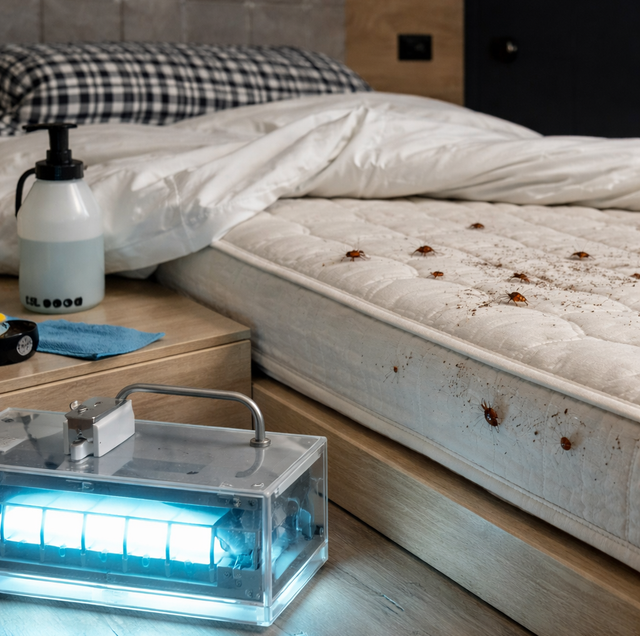
Quick Answer: You usually spot bed bugs by the marks they leave rather than the insects themselves: itchy bite welts in a line or cluster, tiny dark fecal spots along mattress seams, rusty smears on sheets, pale shed skins, and small pale eggs. Adults are flat, oval, reddish-brown, and about the size of an apple seed. They hide near where people sleep and feed at night, so careful inspection of seams and crevices matters more than hoping to catch one crawling.
Most people never see the bug that is biting them. Bed bugs are built to stay out of sight, so the first clue is almost always a pattern of small welts on skin that was exposed while you slept, followed by dark specks on the sheets that were not there the night before. Learning to read those signs early is the difference between a problem caught in one room and one that has spread through a whole home.
What Bed Bugs Are and How They Live
Bed bugs are small, wingless insects that feed only on blood, usually human blood. An adult is flat and oval, roughly the length and color of an apple seed, and turns darker and rounder right after a meal. Young bugs, called nymphs, are smaller and nearly translucent until they feed, which makes them very hard to see against pale bedding.
They are nocturnal and shy of light, so they spend the daylight hours packed into tight, dark cracks close to their food source. That means they may be within a few feet of a bed, sofa, or recliner where a person regularly sleeps or rests. They come out in the hours before dawn, feed for several minutes, then retreat to their hiding spot. Because the bite itself is painless, most people sleep straight through it and only notice the aftermath.
A single female can lay a few eggs a day, and those eggs hatch in about one to two weeks. A small number of bugs carried in on a bag can build into a serious problem over a couple of months, which is why early detection carries so much weight.
How Bed Bugs Spread
Bed bugs are hitchhikers, not fliers. They cannot jump or fly, so they travel by crawling onto something and riding along. The most common ways they move into a home are luggage and clothing brought back from a hotel or a relative's house, secondhand furniture and mattresses, and shared walls or utility gaps in apartments and condos where bugs migrate from one unit to the next.
One point deserves to be said plainly: an infestation is not a sign of a dirty home. Bed bugs feed on blood, not crumbs or grime, so a spotless bedroom is just as vulnerable as a cluttered one. Clutter does not attract them, but it does give them more places to hide and makes treatment harder. A tidy pediatric ward and a five-star hotel can both get bed bugs, and both regularly do.
The Signs of Bed Bugs
Reading the evidence is the reliable way to identify a problem. Watch for these signs, and remember that several of them together tell a far stronger story than any one alone.
Bite welts in a line or cluster: Many people notice small, red, itchy welts on skin that was uncovered during sleep, often on the arms, shoulders, neck, or legs. The bites frequently appear in a rough line or a loose cluster, sometimes described as breakfast, lunch, and dinner along one path. Reactions vary widely: some people swell and itch for days, while others show nothing at all. Bites are a prompt to look closer, not proof on their own, because they can be confused with mosquito bites, flea bites, or a skin reaction. Confirmation comes from finding the bugs or their traces.
Dark fecal spots: After feeding, bed bugs leave tiny dark brown or black spots of digested blood. They look like someone touched a fine felt-tip pen to the fabric, and they often smear if you wipe them with a damp cloth. Look for them along mattress seams and piping, on the box spring, on sheets, and where the mattress meets the frame. Clusters of these specks are one of the most dependable signs.
Rusty or blood smears: Small reddish or rusty stains on sheets and pillowcases can appear when a bug is accidentally crushed after feeding, or from the bite site itself. On their own, the smears are easy to miss, but alongside dark specks they help build the picture.
Shed skins and eggshells: As nymphs grow, they molt and leave behind pale, empty casings shaped like the bug itself. Finding these translucent shells in seams, cracks, or the folds of a headboard means bugs have been living and maturing in that spot. The eggs are pale white, about the size of a pinhead, and often stuck in clusters into crevices.
A sweet, musty odor: A heavy infestation can give off a sweet, musty smell, sometimes compared to overripe berries or a damp, sugary scent. Faint and easy to overlook, the odor tends to appear only when the population is large, so treat it as a late warning rather than an early one.
Live bugs in the hiding spots: Sometimes you find the insects themselves. Check the mattress seams and piping first, then the box spring, the cracks of a wooden bed frame or headboard, behind and under baseboards, and in the seams and crevices of nearby furniture. Bugs, casings, and dark specks packed into one narrow crack are a clear signal.
Where to Inspect
A good inspection is methodical and works outward from the bed. Strip the bedding and run a bright flashlight along each area in turn.
- Mattress piping and seams, the folded edge that runs around the mattress, is the number-one place bugs gather.
- The box spring, especially under the fabric dust cover and along the wooden frame, is a favorite hiding spot that many people never check.
- The bed frame and headboard, particularly wooden joints, screw holes, and the gap where a headboard meets the wall.
- Nightstands and nearby furniture, including drawer runners, joints, and the undersides.
- Along baseboards and where carpet meets the wall.
- Behind outlet covers and switch plates near the bed, where bugs shelter in wall voids.
Think of an inspection less like a search for a mouse and more like a jeweler examining a setting under a loupe, because the evidence is small and tucked into the tightest seams. A credit-card edge run along a seam can tease hidden bugs and casings into view.
What to Do If You Find Signs
Finding evidence is unsettling, and the natural reaction is to grab a spray and attack. That instinct often makes things worse. Bed bugs scatter when disturbed by the wrong product, spreading from one room into several, and store-bought sprays rarely reach the eggs and deep crevices where the population survives. Take these steps instead.
Do not use foggers or bug bombs on bed bugs. They do not penetrate the cracks where the bugs hide; they drive the bugs deeper and into new areas, and they release flammable propellant that is a real fire and health hazard indoors. Skip them entirely.
Wash affected bedding, linens, and washable clothing, then run them through a hot dryer cycle, since sustained high heat is what kills bed bugs and eggs on fabric. Seal cleaned items in bags so they do not become re-infested, and reduce clutter around the bed to remove hiding places.
Do not throw out furniture without labeling it: Dragging an infested mattress or couch to the curb spreads bugs through hallways and to whoever picks it up next. If an item truly must go, it should be labeled clearly as infested and, where possible, wrapped so it cannot seed a new problem elsewhere. Often a professional can treat furniture rather than discard it.
Protect kids and pets: Keep any product away from children and animals, and follow every label direction to the letter. When in doubt, hold off and let a licensed professional choose and place the treatment.
Call a professional for confirmation and treatment: Bed bugs are among the hardest household pests to eliminate on your own. They hide in places sprays cannot reach, their eggs resist many products, and missing even a small pocket lets the population rebuild. A licensed technician can confirm the identification, find the full extent of the problem, and apply methods that reach every stage of the insect.
Why Professional Treatment Is Usually Needed
Professionals rely on approaches that a homeowner cannot replicate. Whole-room heat treatment raises the temperature high enough, long enough, to kill bugs and eggs in every crevice at once. Targeted professional-grade products, placed precisely and often in more than one visit, catch survivors and newly hatched nymphs. The follow-up schedule matters as much as the first treatment, because eggs missed early can hatch later.
A trained technician also knows where to look. Bed bugs move through wall voids, along baseboards, and between adjoining units, so a real inspection covers far more than the mattress. Getting the identification and the full map of the infestation right at the start is what keeps a treatable problem from becoming a recurring one.
Bed bugs are not known to spread disease, which is a genuine relief. Even so, the bites can cause itching, sometimes an allergic reaction, and a good deal of lost sleep and stress. That toll, plus how quickly a few bugs multiply, is reason enough to act on the first solid signs rather than wait and watch.
Frequently Asked Questions
Yes. Adult bed bugs can survive for months without feeding under the right conditions, and cooler temperatures stretch that survival even longer. That is why a vacant apartment or a rarely used guest room can still harbor live bugs, and why they sometimes reappear weeks after a home seems clear.
Bed bugs are flat, oval, and reddish-brown, with no wings and six legs, and they lack the hard shell of a beetle or the long body of a cockroach nymph. Bat bugs and some carpet beetles are common look-alikes. A technician often confirms the identification under magnification, since the eggs, casings, and body shape differ in small but telling ways.
Not strictly. They prefer to feed in the quiet hours before dawn, but a hungry population will feed whenever a host is still for long enough, including during a daytime nap or on a night-shift worker who sleeps by day. They adjust their timing to when a person is available, not to the clock.
No, but it helps. A zippered, bed-bug-rated encasement traps bugs already inside the mattress so they eventually die and stops new ones from settling into the seams, which also makes future inspections easier. It is a useful part of a plan, not a standalone cure, and it should be left on for many months.
Yes. They crawl along baseboards, through wall voids, and up pipes and wiring runs, which lets them move between rooms and even between floors or adjoining units. This is why a problem found in one bedroom is often checked throughout a home rather than treated in isolation.
It can, under narrow conditions. Sustained freezing at a low enough temperature for several days, or a truly hot dryer cycle, will kill bugs and eggs on small items. A closed car in the sun is unreliable because it rarely holds a lethal temperature evenly, so a hot dryer is the more dependable home option for washable goods.
Book a bed bug inspection before a few bugs become a whole-house problem — get a confirmed identification and a treatment plan that reaches every stage. Russell Pest Control serves Phoenix, Glendale, and Peoria. Call (623) 469-7583.
