
What Attracts Rodents and How to Keep Mice and Rats Out
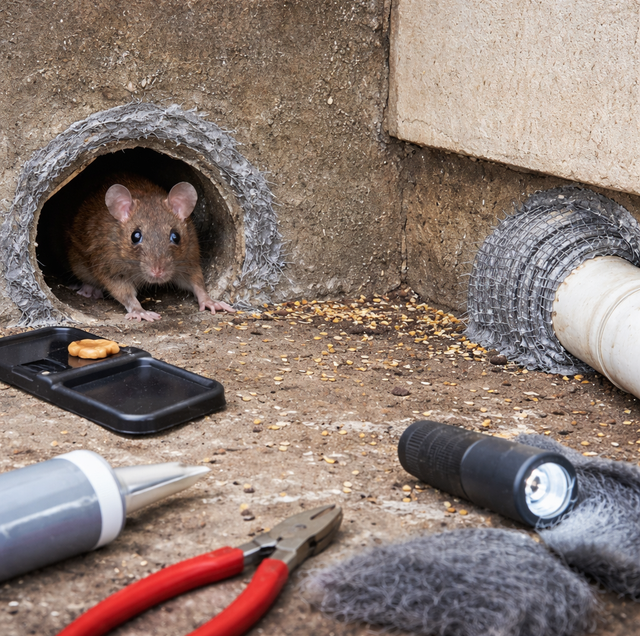
Quick Answer: Rodents are drawn indoors by accessible food, standing water, and sheltered nesting spots, and they enter through gaps as small as a dime (mice) or a quarter (rats). Keeping them out means removing those attractants and sealing every entry point with metal, since they chew straight through foam and caulk.
Mice and rats do not choose a house at random. They follow the same three things every living creature needs: something to eat, something to drink, and somewhere warm and hidden to nest. A home offers all three in one place, which is why a structure that looks sealed to you can read like an open invitation to a rodent scouting the perimeter. Understanding what pulls them in, and how they slip past the walls you thought were solid, is the whole game. Once you remove the attractants and close the openings, the property stops being worth the effort, and they move on.
What Actually Attracts Rodents
Before you can shut rodents out, it helps to see the property the way they do: a grid of scent trails leading to calories, moisture, and cover. Three categories account for nearly every infestation.
Food they can reach: Rodents are opportunistic feeders, and they are not picky. Open pantry items in cardboard or thin plastic, spilled crumbs behind the toaster, an overflowing trash can, pet food left in the bowl overnight, and birdseed stored in a paper bag all register as a reliable food source. Outdoors, fallen fruit under a tree, an uncovered compost pile, and grease on a grill do the same work. A single bag of dog food in an open garage can sustain a colony through an entire breeding cycle.
Water they can find: Rodents need less water than you might expect, but they still need a source. A dripping hose bib, a slow leak under the sink, condensation on pipes, a pet's water dish, and pooling near a downspout all qualify. Rats in particular will travel a set route to water every night, which is one reason fixing a small plumbing leak often does more to discourage them than any trap.
Shelter they can hide in: The last piece is cover. Cluttered garages, stacked woodpiles against a wall, dense shrubs touching the siding, and undisturbed boxes in an attic all give rodents what they want most: a dark, protected space to build a nest and raise young. Wall voids and attic insulation are prime real estate because they are warm, quiet, and rarely inspected.
How Mice and Rats Get In
What surprises most people is how little space a rodent needs. A house mouse can compress its body and squeeze through a gap the size of a dime, roughly a quarter inch. A rat, being larger, needs an opening about the size of a quarter, or half an inch. If a pencil fits through a hole, a mouse can follow it.
Those openings are everywhere once you start looking. The gaps where pipes, gas lines, and electrical conduit pass through an exterior wall are almost never sealed tight. The space under a garage door or an exterior door, especially where the weather seal has worn away, is a common ground-level route. Foundation vents and crawlspace openings with damaged or missing screens are open doors. Higher up, gaps along the roofline, at soffit and fascia joints, around roof vents, and where the chimney meets the roof let agile climbers straight into the attic.
That climbing ability points to a real difference between the two pests. Mice tend to stay low and enter near the ground, working their way through baseboards, floor voids, and lower wall cavities. Roof rats, true to the name, are strong climbers that follow tree limbs, fence lines, and utility wires to the top of the house, then enter through the roofline and nest in the attic. A branch overhanging the roof is a bridge, and a rat will use it without hesitation. Knowing which pest you have changes where you look and where you seal.
The Prevention Plan
Keeping rodents out comes down to two jobs done well: take away the reasons to come, and close the ways to get in. Neither works alone. A perfectly sealed house with dog food on the floor still tempts them, and a spotless kitchen with a half-inch gap under the door still lets them walk in.
Seal every entry point with metal: This is the step people most often get wrong. Rodents gnaw, and their incisors cut through expanding foam, silicone caulk, and plastic with ease. Those materials alone will not hold. Pack larger openings with coarse steel wool or copper mesh, or cover them with hardware cloth (quarter-inch galvanized mesh), then seal around the metal with a suitable sealant to lock it in place and block drafts. Around pipe and utility penetrations, stuff the void with metal first. Fit door sweeps on exterior and garage doors so the bottom gap disappears. Screen or cap vents, chimneys, and weep holes. The metal is what stops the teeth; the sealant just finishes the job.
Rodents gnaw through expanding foam, silicone caulk, and plastic, so those alone will not hold. Pack larger openings with coarse steel wool or copper mesh, or cover them with quarter-inch galvanized hardware cloth, then seal around the metal to lock it in place. The metal is what stops the teeth.
Cut off the food and water: Move dry goods, pet food, and birdseed into hard-sided containers with tight lids, glass or heavy plastic, not the original bag. Wipe up crumbs and clean under appliances. Use trash and compost bins with locking lids, and keep them away from the wall. Pick up fallen fruit and do not leave pet bowls out overnight. Fix dripping faucets and leaking pipes promptly, and correct drainage that lets water pool against the foundation.
Remove the shelter: Trim shrubs and tree limbs back so nothing touches the siding or overhangs the roof, which removes the bridges climbers rely on. Move woodpiles and stored lumber well away from the house and up off the ground. Declutter garages, sheds, and attics so there are fewer dark, undisturbed corners to nest in. A yard and structure that offer no cover are far less appealing than the neighbor's.
Signs You Already Have an Infestation
Prevention assumes you are starting clean. Often you are not, and rodents are already established before anyone notices. The evidence is usually there if you know what to read.
Fresh droppings, small dark grains often concentrated along walls, in drawers, or near food, are the clearest sign. Gnaw marks on baseboards, wiring, food packaging, and stored items point to active feeding and tooth wear. Rodents follow the same paths repeatedly, and their oily fur leaves dark grease trails and smudge marks along walls and baseboards. At night, you may hear scratching, scurrying, or gnawing inside walls or in the attic, since rodents are most active after dark. Shredded paper, fabric, or insulation gathered into a hidden pile is a nest. Finding any one of these means the problem is present, not hypothetical, and sealing alone will trap some rodents inside rather than out.
Why Rodents Are Worth Taking Seriously
A rodent problem is not only a nuisance. Mice and rats contaminate far more food than they eat, spreading bacteria such as Salmonella across counters, pantries, and packaging as they travel. Their droppings and urine can carry disease, and cleanup itself carries risk if done carelessly.
The structural damage is its own concern. Rodents gnaw constantly to keep their ever-growing incisors in check, and wiring is a frequent target. Chewed insulation on electrical lines is a genuine fire hazard, often going unseen inside a wall until something fails. They also shred attic and wall insulation for nesting, which quietly lowers a home's efficiency. A small population left alone does not stay small; a pair can multiply quickly, so a minor sighting can become an established colony within a season.
Handling It Safely and Knowing When to Call
Treat rodent waste as a health hazard. Wear disposable gloves and a well-fitting mask, open windows to ventilate first, and never sweep or vacuum dry droppings, which sends particles into the air you breathe. Dampen the area with a disinfectant, let it sit, then wipe up and bag the waste. Rodenticide bait is dangerous to children, pets, and wildlife, so use it with extreme caution or leave it to a professional.
Be equally careful with rodenticides. Bait is dangerous to children, pets, and wildlife, and a poisoned rodent that dies inside a wall creates its own odor and secondary-poisoning problems. If you use it at all, use it with extreme caution, or leave it to a professional who can place and manage it safely.
Rodents seek warm shelter when the weather turns cool, but they hunt food and water inside all year long, so this is not a problem that ends with a change in season. Sealing and sanitation work regardless of the calendar. DIY steps handle prevention and the occasional stray well. When you are dealing with an active infestation, hear activity in the walls, or find that rodents keep returning no matter what you seal, the population is likely larger and more entrenched than surface signs suggest. That is the point to bring in a professional who can locate hidden entry points, assess the full scope, and treat it properly.
Frequently Asked Questions
House mice can often get by on the moisture in their food alone and may drink very little, which is why a tidy but food-rich pantry can still support them. Rats depend far more on standing water and will usually visit a source nightly, so eliminating leaks and open dishes pressures a rat population more than a mouse one.
These popular home remedies rarely deliver lasting results. A strong scent may briefly deter a rodent, but hungry mice and rats acclimate quickly and go around it, and independent testing of ultrasonic repellers has generally found little to no sustained effect. Physical exclusion with metal and removal of attractants is what holds.
A single mouse can wander in, but mice are social and breed fast: one female can produce a litter of five to eight roughly every three weeks in good conditions. Seeing droppings in more than one room, hearing activity at night, or spotting a mouse during daylight (when they normally hide) suggests an established group, not a lone visitor.
It can, which is why sealing works best once you have confirmed no rodents are currently active, or alongside removal. If animals are already nesting indoors and you close every exit, some will be trapped in wall voids where they may die and create odor. Address an active population first, then seal to keep the next wave out.
Not through sound concrete or solid brick, but they exploit existing weaknesses readily. Rats will gnaw at cracked mortar, gaps around utility penetrations, and soft or aged materials to enlarge an opening, and they can burrow through soil beneath a slab or foundation to reach a gap underneath. Any hairline gap in masonry is worth checking and sealing.
Roof rats are agile enough to run along thin utility wires, scale rough vertical brick, and climb the interior of a downspout. They regularly reach a second-story roofline by way of an overhanging tree limb or a fence line that meets the house, which is why trimming branches back several feet from the roof is one of the most effective exclusion steps for that species.
Book a rodent inspection before a stray becomes a colony — get every entry point found and sealed by a team that knows where they hide. Russell Pest Control serves Phoenix, Glendale, and Peoria. Call (623) 469-7583.
