
Cockroach Control in Phoenix, AZ: End the Infestation, Not Just the Ones You See
Roaches in the kitchen, bathroom, or pouring in after a storm? Call, a real person answers, and roach infestations get prompt scheduling.
German Roach Precision - Desert Roach Defense.
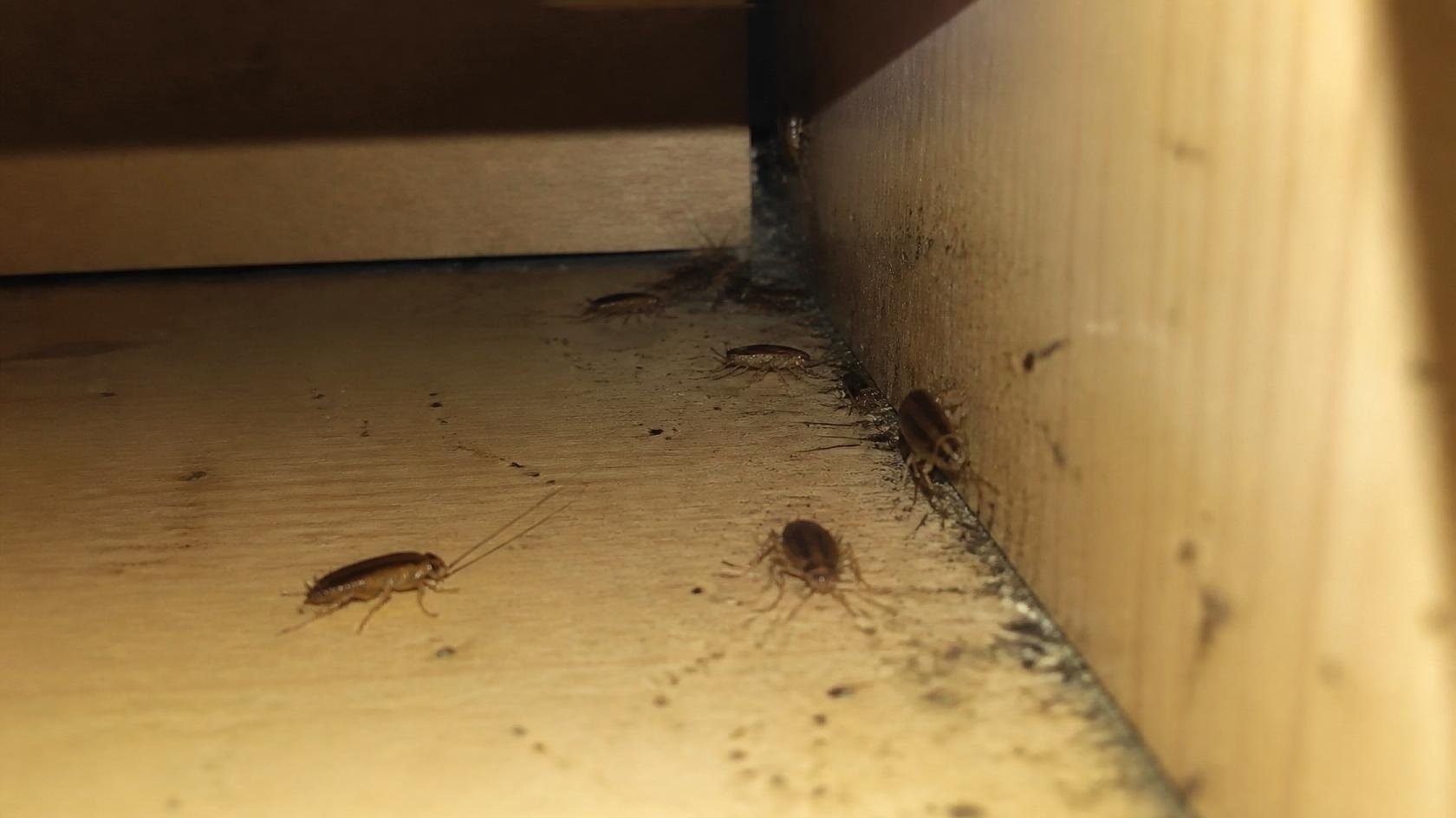
Every cockroach you see in daylight means there are dozens you don't: roaches are nocturnal and secretive, so a daytime sighting signals a population large enough to push some into the open. Russell Pest Control has controlled Phoenix Valley roaches since 1996, and the Valley actually has two different problems: German cockroaches breeding explosively inside kitchens and bathrooms, and big desert and sewer roaches flooding in from outside, especially after monsoon storms. The treatment for each is different, and getting that right is the difference between control and an endless battle.
For German roaches (the serious indoor infestation), we use the gel-bait precision that food-service work demands, because a single survivor pair restarts the whole thing. For the desert invaders, the fix is exterior defense and sealing the routes they use to come in from the drains and block walls. We identify which roach you have first, then treat the actual biology, because a sewer-roach problem sprayed like a German-roach problem (or vice versa) just wastes everyone's time.
Restaurant-Grade Discipline, Home Kitchen Stakes
Two Roaches, Two Fixes
German roaches breed indoors; desert roaches invade from outside. We diagnose it before we treat.
Gel-Bait Precision
The method that controls German roaches in restaurants, where they harbor, is fatal to the whole population.
Built for the Monsoon Flush
When storms push sewer and desert roaches in, exterior defense and sealing are the real answer.
Restaurant-Grade Discipline
Semi-weekly food-service roach programs hold our standard. Your kitchen gets the same rigor.
Sanitation Honesty
Half of German-roach control is what gets cleaned. We coach it free, a bait over a buffet just loses.
Health Matters
Roaches trigger asthma and contaminate food. This isn't cosmetic; we treat it like the health issue it is.
Three Truths About Phoenix Cockroaches
One in Daylight Means a Crowd in the Dark
Cockroaches are nocturnal and built to hide; they want to be in a crack touching surfaces on all sides, not on your wall at noon. So a roach out in the open, especially in daylight, usually means the harborage is full, and the population is overflowing. That single sighting is a population estimate, and it's rarely a small one. The good news: it's also actionable, because where one appeared tells us where the rest are hiding.
German Roaches Are an Indoor Breeding Machine
The German cockroach (small, tan, with two dark stripes behind the head) is the one that turns a few roaches into an infestation in weeks. One female and her offspring can produce hundreds in a few months. They live exclusively indoors in warm, humid harborage (kitchens, bathrooms, appliance motors), and they're the species behind nearly every serious roach call. They can't be sprayed into submission; they're controlled with bait precision and sanitation, which is exactly how restaurants keep them out.
Your Monsoon Roaches Came From Outside
The big roaches (two inches, reddish-brown or dark, often called sewer roaches or palmetto bugs) are desert species that live outdoors in drains, sewers, block walls, and irrigation, and flood into homes when monsoon storms flush their habitat. These aren't a sanitation failure; they're a geography problem, and the fix is exterior treatment, drain attention, and sealing the entry routes, not tearing your kitchen apart looking for a nest that's actually in the storm drain.
Every Roach Situation in the Valley
Know Your Roach
- German cockroach: small, tan, with two stripes; indoor breeder, a serious infestation
- American cockroach: large, reddish-brown; the "palmetto bug" drains and sewers
- Oriental cockroach: dark, shiny; damp areas, drains, the classic "water bug"
- Brown-banded cockroach: small, prefers warm/dry, higher in rooms (electronics, ceilings)
- Desert/Turkestan roaches: outdoor desert species, block walls and irrigation, monsoon invaders
Where They Harbor and Enter
- Kitchen and bathroom cracks, under sinks, behind appliances (German)
- Appliance motors: fridge, dishwasher, microwave (warm + hidden)
- Floor, sink, and condensate drains (American/Oriental)
- Block walls, valve boxes, and irrigation (desert species)
- Wall voids, under cabinets, and pantry corners
- Garage, laundry, and storage clutter
- Sewer lines, cleanouts, and the gaps around plumbing penetrations
Signs of an Infestation
- Roaches seen in daylight (population overflow)
- Droppings like ground pepper or coffee grounds in cabinets and drawers
- Egg cases (oothecae): small brown capsules in cracks
- A musty, oily odor in heavy infestations
- Smear marks along edges in damp areas
- Sudden indoor surge after a monsoon storm (desert species)
Identify, Bait, Defend: the Process
Identify the Species
German or desert roach? It changes everything: indoor gel-bait precision versus exterior defense and sealing. A two-minute inspection (or your photo) settles it, and it's the single most important decision in roach control. Treating the wrong problem is the #1 reason DIY roach control fails.
Find the Harborage
For German roaches, we hunt the harborage (appliance motors, cabinet voids, plumbing gaps, the warm, humid cracks they cluster in) because the treatment has to go where they live, not where you saw one. For desert species, we trace the entry: which drain, which wall, which penetration. The inspection is the diagnosis.
Gel-Bait the German Population
Gel bait placed precisely in and around harborage is the restaurant-grade method: roaches feed, return to the harborage, and die there, and because roaches eat their dead and each other, the bait spreads through the population in a chain reaction. No fogging a kitchen with food everywhere; precision placement that reaches the colony where it actually lives.
Defend Against the Desert Invaders
For outdoor species, exterior treatment around the foundation, block walls, and entry points, plus drain attention and sealing the routes storms push them through. The goal is a perimeter that the monsoon flush can't breach, and control the outside so the inside stays clean.
The Sanitation Handoff
German roaches live on grease films, crumbs, and moisture, so sanitation is half the cure, and we coach it specifically: the appliance gap to degrease, the cardboard to remove, the leak to fix. For restaurants, it's a documented protocol; for homes, it's an honest short list. Bait plus sanitation wins; bait over a buffet loses.
Follow-Up and the Program
Serious German infestations need follow-up visits; eggs are protected from bait inside their cases, so a second pass catches the newly hatched before they breed. Heavy infestations and food-service accounts go on recurring programs with monitoring. We verify control before we call it done, just as we verify that a rodent-infested attic is quiet.
Food Business?
Semi-weekly food-service roach programs with monitoring and documentation are the standard.
Sealing Finishes the Job
Plumbing penetrations, appliance gaps, exterior cracks, close the real estate roaches re-establish in.
What Roach Control Costs
Scoped to the Real Job
- German-roach infestations: scoped after inspection; severity, harborage access, and follow-up needs vary the work
- Desert/sewer-roach defense: often handled within general pest service (exterior + sealing focus)
- Heavy infestations include follow-up visits in the scope, egg cases survive the first pass, so one visit rarely finishes a real German infestation
- Food-service roach programs: scoped per facility, usually recurring (often semi-weekly)
- No initial fees, no contracts on residential, quote holds
The Flat-Rate Warning
A single "roach treatment" price quoted before identifying the species and seeing the harborage is a guess, and German roaches in particular almost never resolve in one visit, no matter what the flat-rate flyer promises. We scope the real job.
When the Kitchen Got Its Nights Back
Precision Roach Control vs. Spray-and-Pray
| What Matters | Russell Pest Control | Spray-and-Pray Outfits |
|---|---|---|
| First step | Identify German vs. desert species | Spray whatever ran |
| German roaches | Gel-bait precision in harborage | Surface spray (drives them deeper) |
| Desert invaders | Exterior defense + sealing entry routes | Indoor spray that misses the source |
| Harborage | Hunted: appliances, voids, plumbing | Sprayed where the roach was seen |
| Follow-up | Second pass for hatchlings, in scope | One visit, then relapse |
| Sanitation | Coached, specific, free | Not part of the visit |
| Egg cases | Accounted for in the schedule | Ignored, and they hatch |
| Food-service grade | Semi-weekly programs, documented | Not equipped |
| Health framing | Asthma/contamination taken seriously | Cosmetic spray job |
| Who answers | Owner or office, same day | Call center |
Why Phoenix Gets Roaches: and When They Surge
Monsoon Is the Roach Migration Season
When summer storms flood the Valley's drains, sewers, and block walls, the big desert and sewer roaches living there get pushed out, and up, into homes through drains, garages, and gaps. The post-monsoon roach surge is one of the most reliable events in Phoenix pest control, and it's almost entirely the outdoor species. If your roaches arrived with the rain, the fix is outside, not in your cabinets.
Heat Drives Them to Water
Roaches need moisture, and a 115-degree desert concentrates them at every water source: drains, leaks, condensation, pet bowls, and irrigation. Summer pushes both indoor and outdoor species toward your plumbing, which is why bathrooms, under-sink cabinets, and water heater closets are roach magnets in the heat. Fix the moisture, and you remove half the invitation.
German Roaches Ride In, Then Explode
German roaches don't migrate from outdoors; they're carried in, on cardboard, in groceries, in used appliances, in secondhand furniture, and they hitchhike between apartment units through shared walls and plumbing. Once inside, the Valley's warm indoor climate lets them breed year-round with no seasonal break. This is the infestation that has nothing to do with how clean you are and everything to do with what came through the door.
Drains Are the Year-Round Highway
Floor drains, sink drains, and sewer cleanouts connect your home to the roach reservoir in the municipal system, and a dry P-trap or an unsealed cleanout is an open door 365 days a year. Oriental and American roaches use these constantly, monsoon or not. Drain maintenance and sealing are roach control methods most people never think of.
Block Walls and Valve Boxes Harbor the Outdoor Species
The Valley's signature infrastructure (hollow block walls, irrigation valve boxes) gives desert roaches dark, humid, protected harborage right against your home. They forage from there into the garage and through exterior gaps. Treating the wall lines and valve boxes is part of every exterior roach defense we build.
Apartments and Shared Buildings Spread German Roaches
In multi-unit buildings, German roaches travel between units through wall voids, plumbing chases, and shared utilities, which means a neighbor's infestation becomes yours regardless of your own habits. Whole-building coordination beats unit-by-unit spraying every time; it's why our commercial and property-management work treats the structure, not just the complaining tenant.
What Restaurant-Grade Roach Work Teaches
Why Gel Bait Beats Spray on German Roaches
German roaches develop resistance to surface sprays fast, and worse, repellent sprays scatter them deeper into voids where they keep breeding. Gel bait flips the dynamic: roaches feed willingly, return to harborage, and die there, and because roaches are cannibals and coprophagic (they eat their dead and their droppings), the bait's active ingredient passes secondarily through the population. One fed roach becomes a distribution point. It's the same logic as ant baiting, and it's why professionals reach for the gel, not the can.
The Egg-Case Problem and Why Follow-Up Is Mandatory
A female German roach carries her egg case (ootheca) until just before it hatches, and the developing nymphs inside are shielded from bait and most treatments. That means even a flawless first treatment leaves the next generation incubating, and they'll hatch in a couple of weeks, mature, and breed. A single visit can't beat the egg cycle; the follow-up pass catches the hatchlings before they reproduce. Anyone promising one-and-done on a German infestation doesn't understand the ootheca.
Reading Droppings and Harborage Like Evidence
Roach droppings tell us species and severity: German roaches leave pepper-fine specks and dark smear marks near harborage; larger species leave bigger droppings in damp zones. Following the strongest signal to its center (usually a warm appliance motor or a plumbing void) is how we find the harborage to treat, rather than chasing individuals. The mess is a map.
Why Desert Roaches Need an Outdoor Strategy
Treating a monsoon sewer-roach invasion with indoor kitchen baits is a category error: the population lives outdoors in drains, walls, and irrigation, and indoor treatment never touches the source. The right strategy is an exterior perimeter, drain treatment, and sealing the storm-driven entry routes. Knowing which roach you have decides whether the answer is inside or outside, and getting that backward is the most common roach-control mistake we're called to fix.
The Asthma and Contamination Reality
Roaches aren't just unpleasant; German roach allergens are a documented asthma trigger, especially in children, and roaches mechanically spread bacteria across food-contact surfaces as they travel from drains and garbage to your counters. We treat roach control as a health intervention, not a cosmetic one, which raises the bar on thoroughness: "mostly gone" still leaves an allergen source and a contamination vector. The goal is elimination, not reduction.
Sanitation: the Half of the Fix That Isn't Pesticide
German roaches survive on grease films, crumbs, cardboard, and moisture, and a kitchen that keeps supplying those out-competes any bait; the roaches simply prefer the food. Effective control pairs treatment with specific sanitation: degrease appliance gaps, eliminate cardboard harborage, fix leaks, store food sealed. We coach it honestly because we'd rather solve your problem than sell you a permanent bait subscription over an untreated buffet.
Sealing Finishes the Job
After the population's controlled, sealing the harborage and entry points (plumbing penetrations, appliance gaps, drain protections, exterior cracks) removes the real estate that lets roaches re-establish. It's the same exclusion logic as the rest of our work: treatment ends the current problem, sealing prevents the next one. For desert species, especially, sealing the storm-driven routes is what keeps the next monsoon's flush outside.
Roach Questions, Answered Straight
I Only Saw One Roach. Do I Have an Infestation?
Maybe it depends on the species. One big roach after a monsoon storm is often a desert invader that wandered in, not a breeding population. One small tan roach (German) in daylight is more concerning because they hide relentlessly, and a visible one suggests the harborage is crowded. Tell us what it looked like and where; the ID tells us how worried to be.
Why Do Roaches Show Up After It Rains?
Monsoon storms flood the drains, sewers, and block walls where the Valley's big desert roaches live, pushing them out and into homes. It's a geography problem, not a cleanliness one, and the fix is exterior defense and sealing, not tearing apart a kitchen that isn't the source.
Are These German Roaches? How Worried Should I Be?
Small, tan, two dark stripes behind the head, indoors in the kitchen or bathroom, that's German, and it's the one to take seriously because they breed explosively and don't go away on their own. Worried is the right setting; it's also very treatable with the gel-bait method, as long as the follow-up and sanitation happen.
Will Store-Bought Sprays or Foggers Work?
On German roaches, they often make it worse: sprays scatter the population deeper, foggers push them into wall voids, and neither reaches the harborage or the egg cases. On a stray desert roach, a spray kills that one and does nothing about the source outside. Gel-bait precision and source work are what actually control roaches; the can is a temporary illusion.
How Long Does It Take to Get Rid of Roaches?
A desert-roach invasion can be resolved quickly once the exterior and entry points are handled. A German-roach infestation takes longer, typically a treatment plus a follow-up a couple of weeks later to catch the hatchlings, sometimes more for heavy populations. We verify control before declaring it done, rather than declaring victory after the first quiet week.
Are Roaches a Health Risk?
Yes, German roach allergens trigger asthma, especially in kids, and roaches spread bacteria across food surfaces as they travel from drains and garbage. That's why we treat roach control as a health issue and aim for elimination, not just fewer sightings. It's not a cosmetic problem.
Do You Handle Restaurants and Food Businesses?
Yes, German-roach control in food service is some of our most demanding work, run as recurring (often semi-weekly) programs with gel-bait precision, monitoring, food-labeled products, and documentation for inspections. The standard is zero, and that discipline is real.
I Keep Getting Roaches Even Though My House Is Clean. Why?
Clean homes get roaches too. German roaches hitchhike in on cardboard, groceries, and used appliances, and in apartments, they travel through shared walls from neighboring units. Desert roaches invade from outside regardless of your housekeeping. Roaches are about access and harborage as much as sanitation, so don't take it personally; just call.
How Do I Keep Them From Coming Back?
Three moves: seal the entry and harborage points (plumbing gaps, appliance voids, exterior cracks, drain protection), cut the moisture and food supply, and stay on top of the exterior perimeter if you're in desert-roach territory. Ongoing service handles the perimeter and catches re-introductions; we'll give you the property-specific list for the rest.
Do Sewer Roaches Really Come Up Through the Drains, and Can You Stop Them?
American roaches (the big ones) do travel sewer lines and surface through dry traps and unscreened drains, especially after monsoon storms push them up. The fix is mechanical plus chemical: keep seldom-used traps wet, screen the problem drains, and let us treat the lines' entry points. Once the route is closed, the surprise visitors stop.
End the Infestation: With the Method Restaurants Trust
Species ID, harborage hunting, gel-bait precision, exterior defense, and the honest follow-up that actually finishes a German infestation, roach control held to food-service standards, brought home to your kitchen. Since 1996.
Expect the best from Russell Pest, and have a bug-free day.
Hours
- Monday-Friday: 8:00 AM - 5:00 PM
- Same-day & emergency service available, after hours and weekends, owner-answered
- Roach infestations get prompt scheduling
Roach Service Area
Phoenix (HQ), North Mountain Village, Camelback East, Moon Valley, Ahwatukee, Scottsdale and North Scottsdale, Paradise Valley, Cave Creek, Carefree, Fountain Hills, Mesa, Gilbert, Chandler, Tempe, Glendale, Peoria, Surprise, Goodyear, and Avondale.