

Our blog
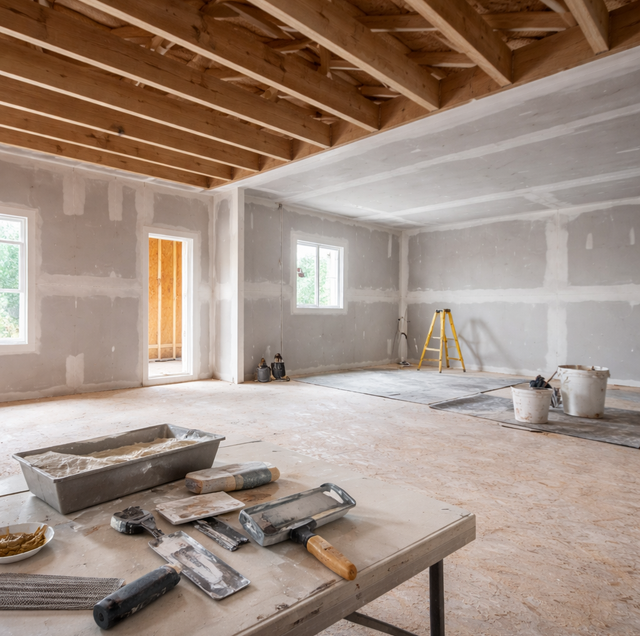
Wall Repair After Bee Removal: Who Fixes What, and When
The bees are gone, the buckets of comb are loaded into the truck, and you are standing in front of a rectangle of wall that is no longer there.
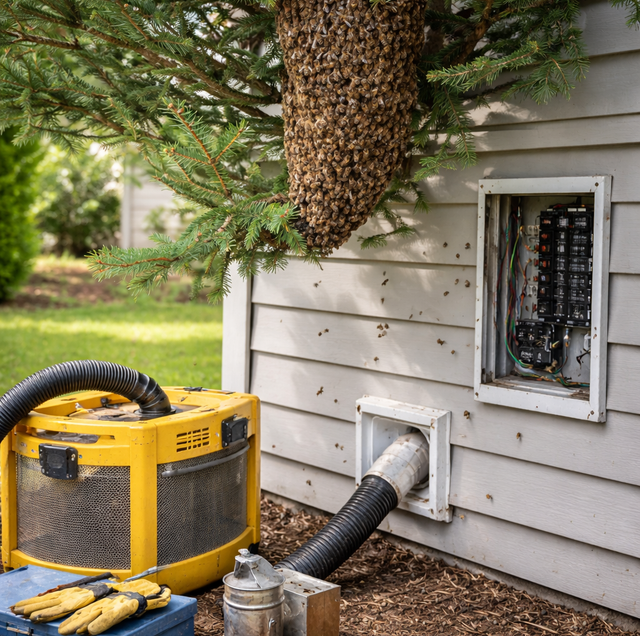
Same-Day Bee Removal: When It’s Urgent and When It Can Wait
A clump of bees the size of a bike helmet hanging from a low branch in the yard and an identical-looking clump packed into the gap around a dryer vent can look, from ten feet away, like the same problem.
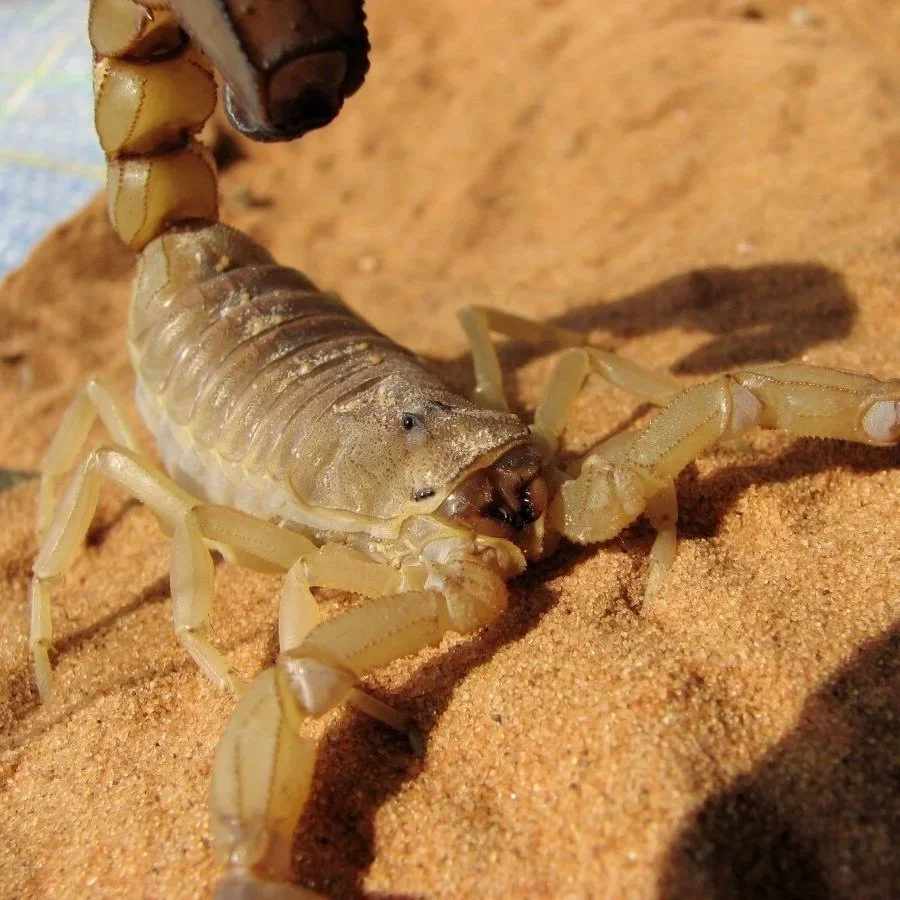
Why Scorpions Glow Under UV Light — and How It Finds Them
It's one of nature's odder tricks: shine a blacklight on a scorpion in the dark, and it lights up like a glow stick, a vivid blue-green against the night. Beyond being fascinating, this glow is genuinely practical — it's one of the most effective ways to find scorpions, which are otherwise masters of blending in. Understanding why they glow and how to use it turns curiosity into a real tool.
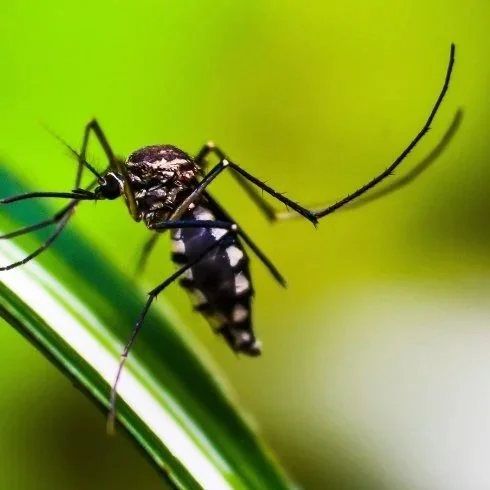
How Mosquito Treatments Disrupt Breeding Habits in Yard Drainage
Mosquito problems rarely start with the bugs you see flying around.
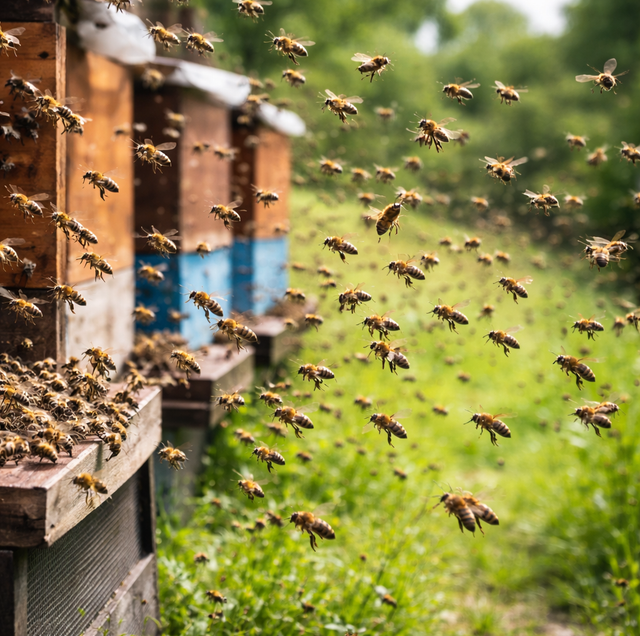
How Far Will Africanized Bees Chase You? Sources Disagree
Ask four published sources how far a defensive colony will follow a person, and you get four different answers.
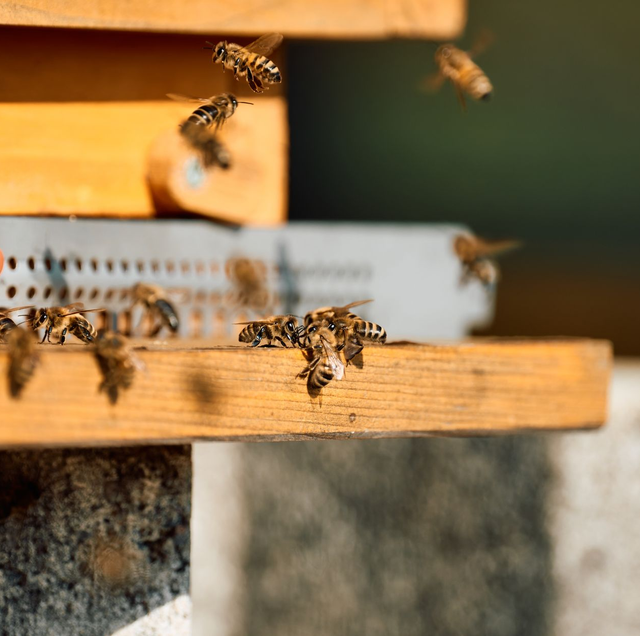
How to Tell if Bees Are Africanized (It Isn’t by Looking)
You cannot tell an Africanized colony from a European one by looking at the bees.
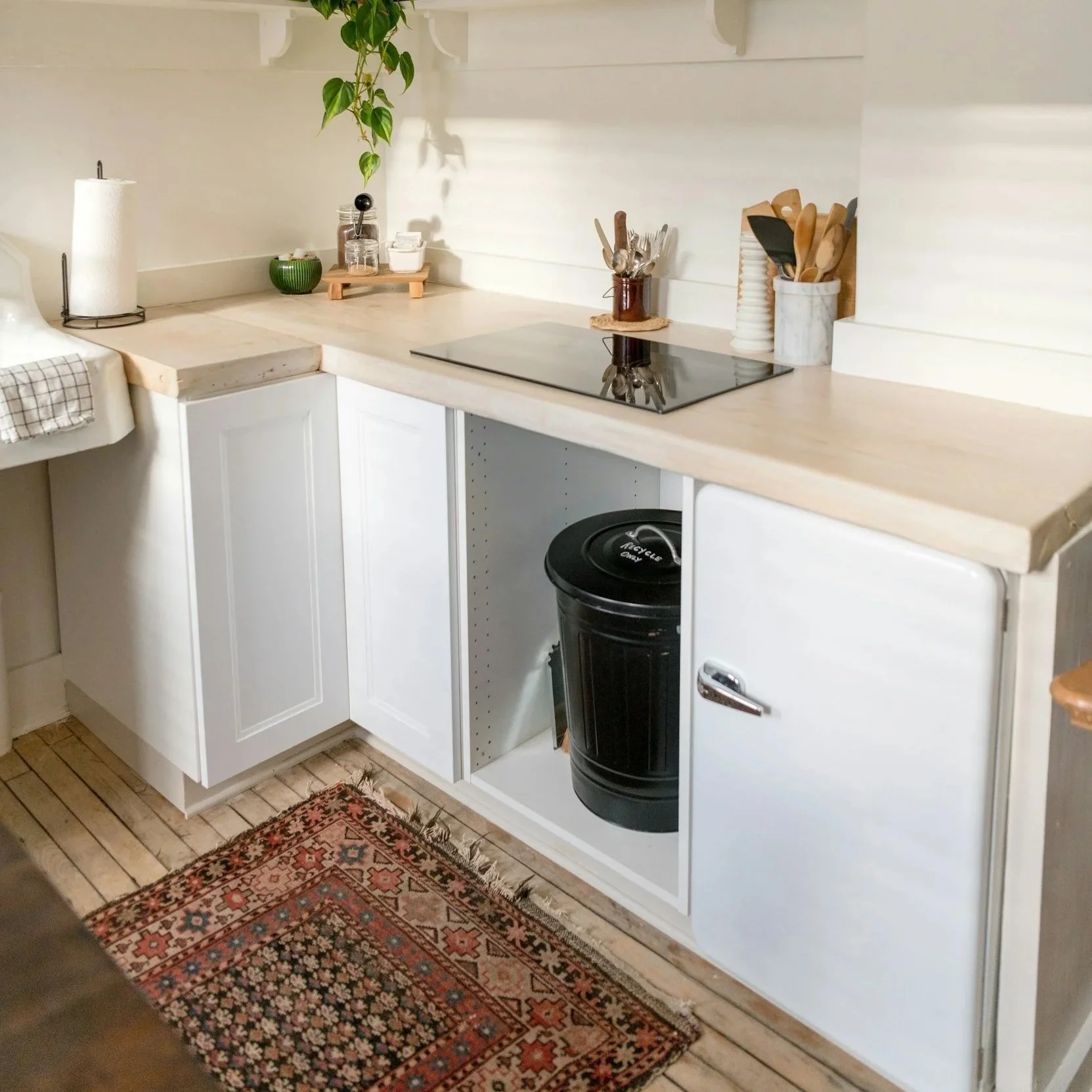
What Draws Flies Into Kitchens and Garbage Areas
That constant irritation usually means something in your kitchen or garbage area is quietly attracting them, and until that source is handled, they’re not going anywhere.
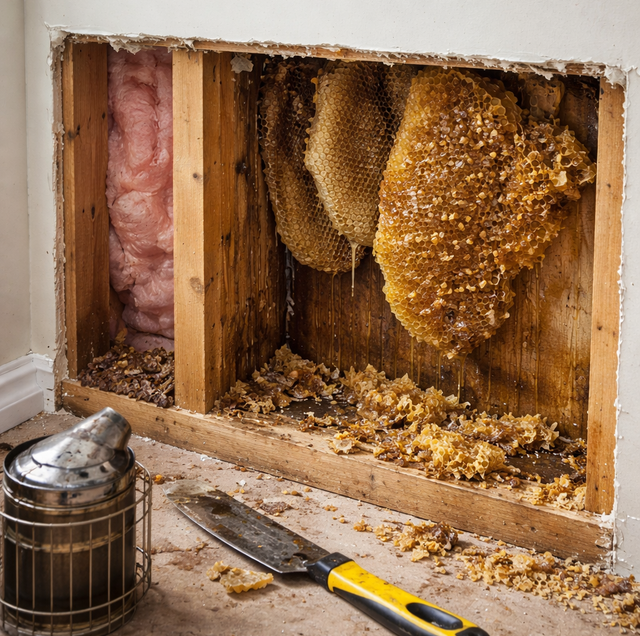
Honey Smell After Bee Removal? What’s Normal and What Isn’t
The sweetness is what catches people off guard. Days after the crew has gone, a warm, waxy smell hangs a foot or two off the wall where the cluster used to sit and disappears if you step back, closer to overripe fruit crossed with warm sugar than to anything you would call a bad smell.
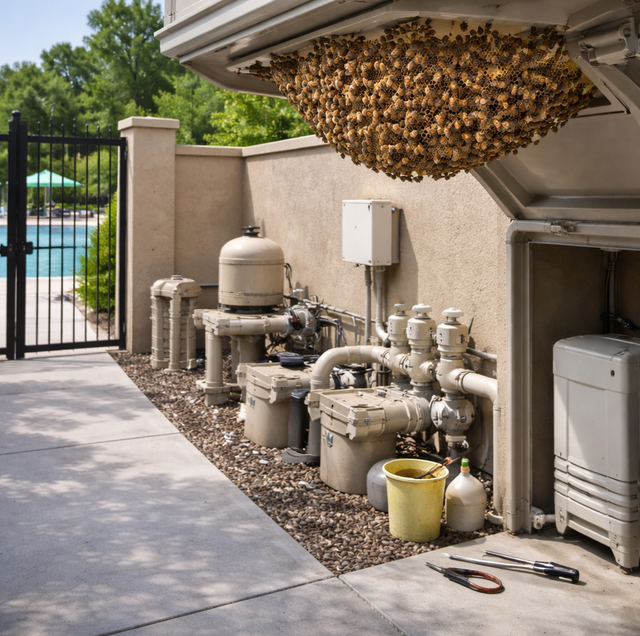
HOA Bee Removal: The Four Common Areas Bees Keep Choosing
The concrete apron between a community pool gate and the pump enclosure gets crossed all day on a warm Saturday and looked at by nobody.
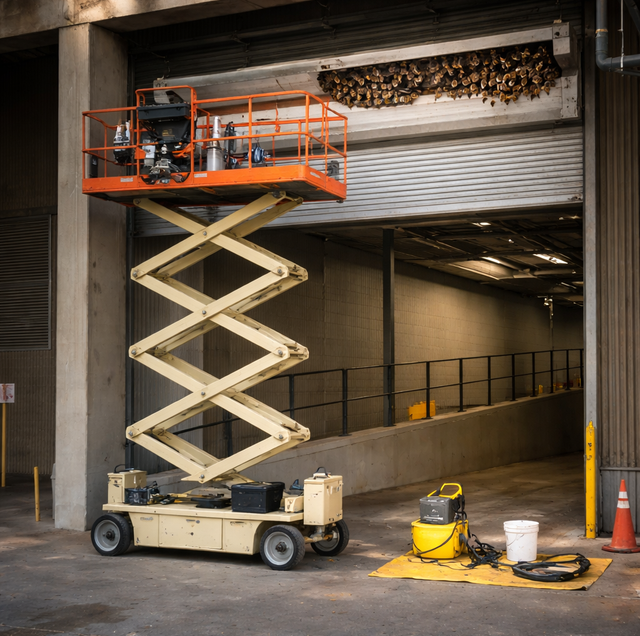
Commercial Bee Removal: Why Height Changes the Whole Job
On a commercial bee call, the first few minutes on-site are spent looking up. Bees are working a seam somewhere overhead, and what shapes the whole visit is how anyone puts a pair of hands within arm's reach of them.

How Spider Web Patterns Reveal High Activity Zones Indoors
While most spiders spin webs to capture their next meal, their choice of location and the design of their webs can reveal much more about the environment around them.

What German Roaches Leave Behind in High-Traffic Areas
If your kitchen, bathroom, or any other high-traffic area has become a runway for these unwelcome guests, they’re leaving behind more than just their scuttling footprints.
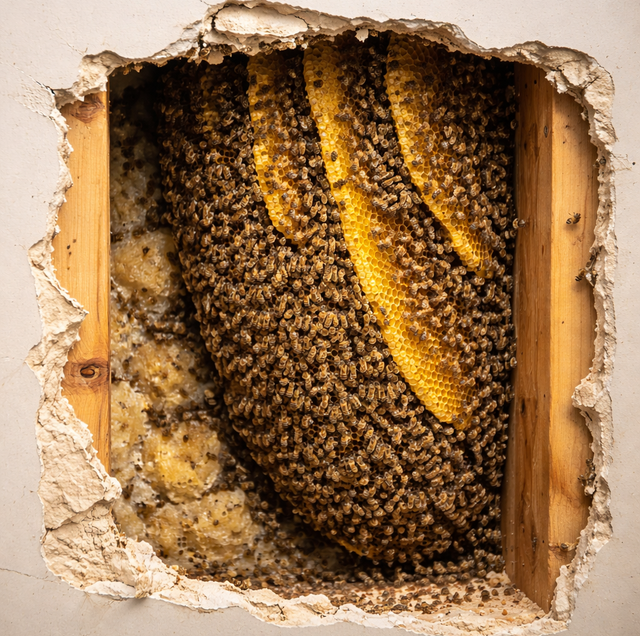
Buzzing in the Wall? How to Tell If It’s Bees
The first time you notice it, you are probably lying in bed with the lights off.

Is Pest Control Safe for Pets and Kids
The question of whether pest control is safe for pets and kids is one that most companies answer too quickly, and most parents don't push back on it hard enough.
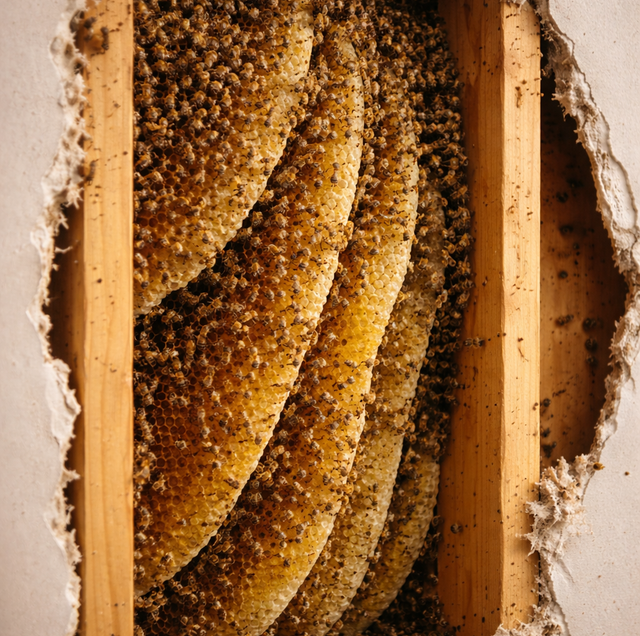
Bees in Your Wall? What Happens from Week One to Month Six
A wall cavity between two studs usually runs about fourteen and a half inches wide, three and a half inches deep, and several feet tall, closed at top and bottom by framing plates and sealed from weather by sheathing on one side and drywall on the other.
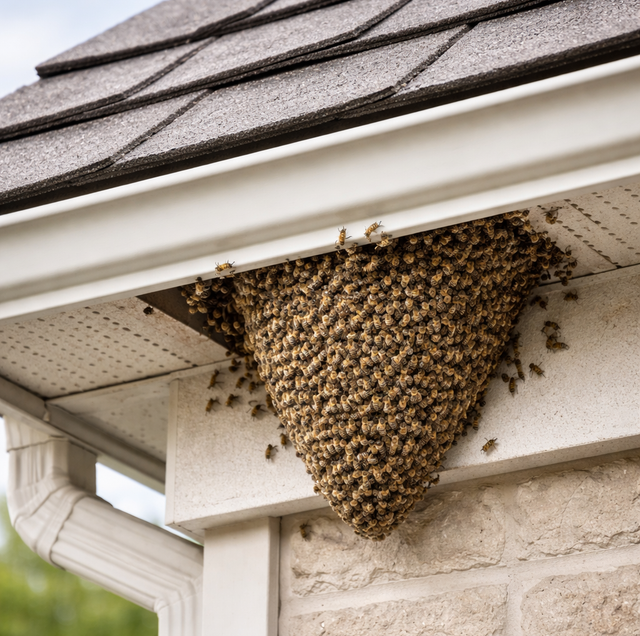
Bees in the Soffit: The Roofline Gaps Wide Enough to Enter
Stand at the edge of the yard and look up at where the roof meets the wall, where the roofline stops reading as a single surface.
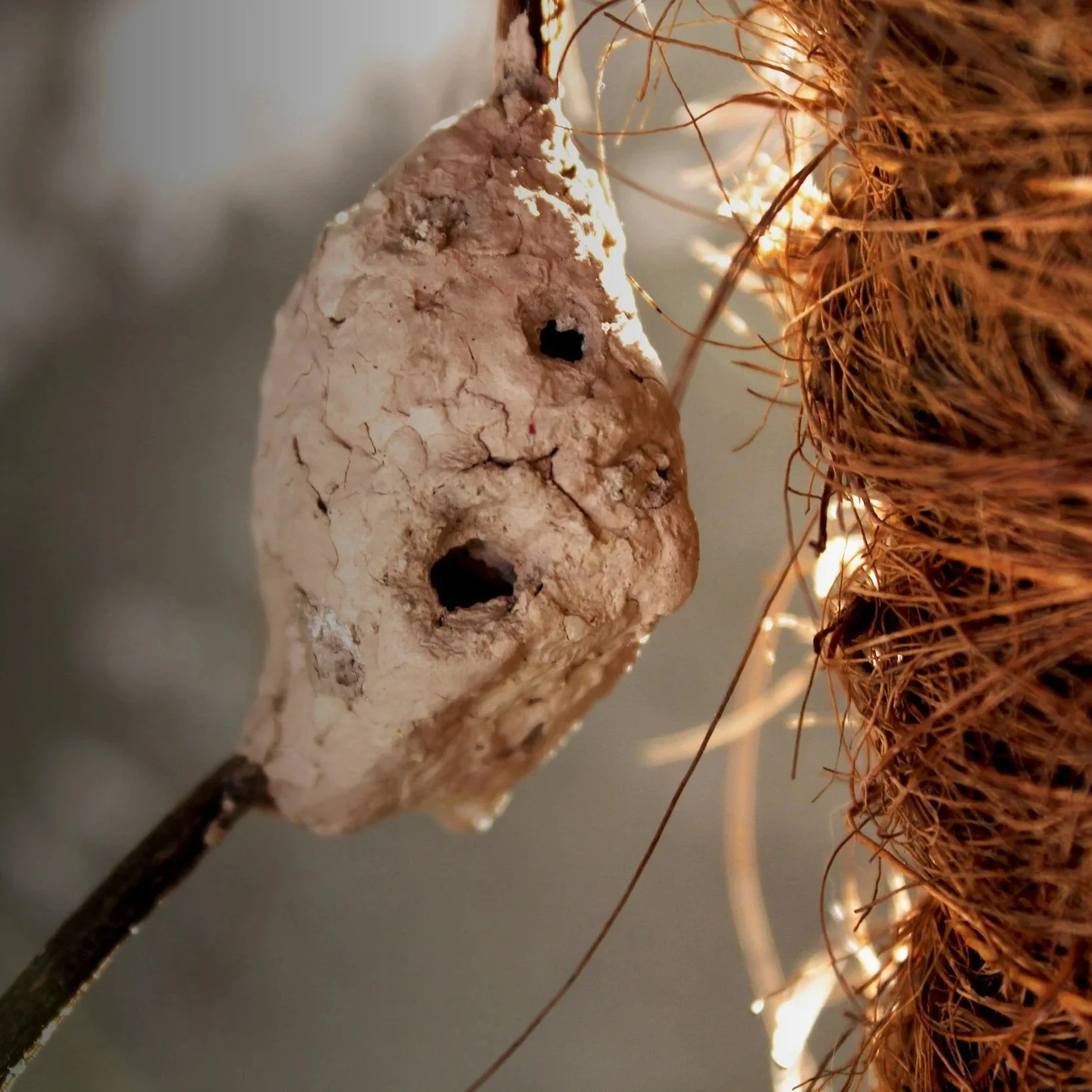
How Wasp Nests Become Dangerous in Hidden Outdoor Spaces
These small, industrious insects can create nests that are both fascinating and terrifying.
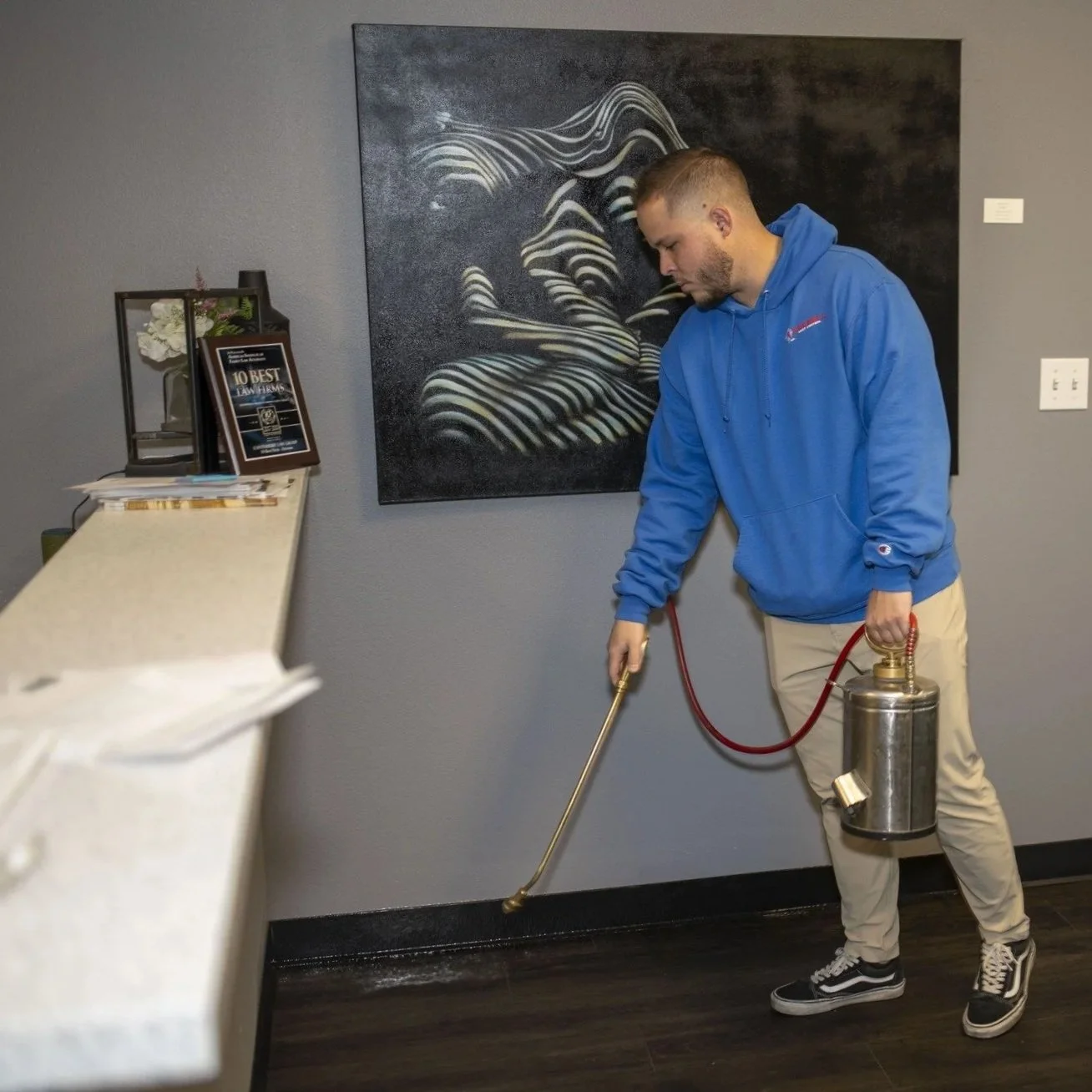
How Often Should You Spray for Pests in Arizona
In states with cold winters, many pest species go dormant or die off, giving homeowners a natural break.
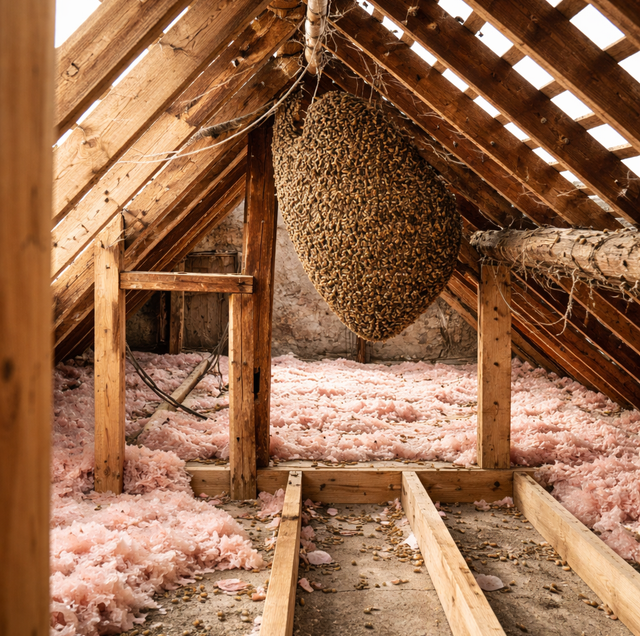
Bees in the Attic: Why Nothing Up There Stops Them
Push the access hatch up, get your head and shoulders through the opening, and the attic reads nothing like the hallway below it.

Bees in a Water Heater Closet: One Door, No Way Out
Your hand is on the handle before anything registers. The water heater closet is where the shutoff valve lives, or where the pilot went out, so the door gets opened the way any door gets opened: quickly, one-handed, with a body already leaning into the gap.