
How Wasp Nests Become Dangerous in Hidden Outdoor Spaces
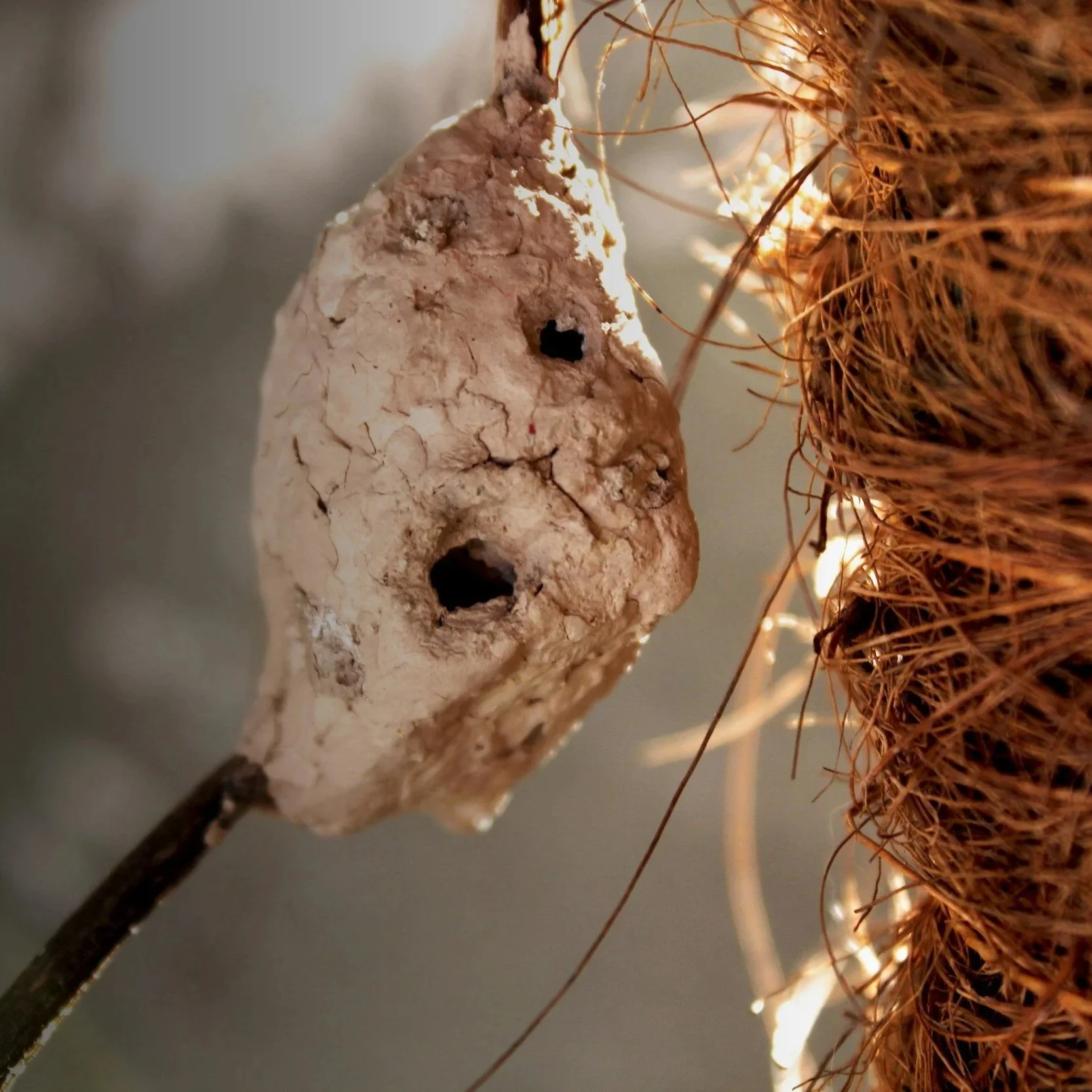
These small, industrious insects can create nests that are both fascinating and terrifying.
Wasps are not the most welcome guests, especially when they decide to set up camp in hidden outdoor spaces around your property. These small, industrious insects can create nests that are both fascinating and terrifying. While they are a natural part of the ecosystem, when they nest in hard-to-find areas, they can become a real danger. With their defensive nature and ability to sting repeatedly, wasp nests in these secluded spots can quickly escalate from a small problem to a hazardous situation.
The Silent Threat of Hidden Nests
Wasps are incredibly good at picking out secret spots to build their nests. Unlike more visible pests, they prefer places that offer both shelter and protection from the elements. Areas like behind eaves, inside sheds, or beneath decks are prime real estate for wasps. These hidden spaces are often out of sight and hard to inspect regularly, allowing wasps to build their colonies without detection.
The danger with hidden nests is that they often go unnoticed until the situation becomes critical. Wasps are territorial and defensive of their homes, so when they feel threatened, they won’t hesitate to attack. Without realizing it, someone could be walking near a hidden nest, unknowingly disturbing the wasps and triggering a swarm of stings. A single wasp sting can be distressing, but a swarm can pose much more serious risks, especially for those who are allergic.
How Wasps Build Their Hidden Homes
Wasps don’t just throw together a nest wherever they please. Their homes are carefully constructed, often beginning as small, spherical structures that expand as the colony grows. The early stages of a nest might seem harmless enough, but as the colony continues to develop, so does the risk. Wasps can expand their nests to hold hundreds, if not thousands, of wasps, all ready to defend their territory at a moment’s notice.
In hidden spaces, wasps have the advantage of being able to build these nests without much interference. They take advantage of areas that are rarely disturbed, where the nest can grow in peace. By the time you notice signs of wasps, their nests may already be large and active, making them more dangerous to approach.
Why Hidden Nests Are More Dangerous
The primary danger of wasp nests in hidden outdoor spaces is the element of surprise. Unlike nests in easily visible areas, these secretive nests are not easily detected. Wasps don’t announce their presence with flashy colors or loud buzzes; they simply go about their business until their nest is disturbed. This makes the risk of encountering them unexpectedly much higher.
For example, if a wasp nest is located behind a shed, under a deck, or inside a wall, homeowners may be completely unaware of the danger lurking nearby. If someone unknowingly gets too close, they may trigger the wasps into defense mode. Wasps are very protective of their nests, and any perceived threat will lead to aggressive stinging behavior. A person who gets stung multiple times could experience significant pain, swelling, and in severe cases, an allergic reaction that may demand medical attention.
Furthermore, the difficulty in accessing these nests means they are harder to remove. Trying to deal with a hidden nest on your own can be risky. Without the right tools and expertise, attempting to remove a wasp nest can lead to injury or more aggressive behavior from the wasps.
Identifying Hidden Wasp Nests
When wasps nest in hidden areas, it’s easy for their presence to go unnoticed until the colony grows large. However, there are some signs to watch for. Increased wasp activity around certain areas is a key indicator that there may be a nest nearby. Wasps are often seen flying in and out of the same location, which can help pinpoint where the nest is located.
Other signs include the presence of wasp larvae or the nest itself if it is partially exposed. You might also notice a large number of dead wasps near a hidden spot, which can be an indication of a decaying nest or a sign of an overpopulated colony. If you spot any of these clues, it’s important to address the issue before the situation worsens.
Why Professional Help Is Crucial
Dealing with wasp nests, particularly those in hard-to-reach places, requires more than just spraying a can of insecticide. Experienced pest control services have the tools and experience necessary to safely remove a wasp nest, even from hidden or difficult-to-reach spots. They know how to approach wasp nests without disturbing the colony unnecessarily, reducing the risk of stings.
Professionals also have access to technical equipment that allows them to reach nests in high or cramped areas without putting themselves or others in danger. Once the nest is safely removed, experts can help identify any other potential nesting sites on your property and offer advice on how to avoid future infestations.
Preventing Future Wasp Nests
The best way to deal with hidden wasp nests is to prevent them from being built in the first place. After professional removal, homeowners should take steps to keep wasps from returning. Sealing any cracks or gaps in walls, eaves, and other outdoor structures can prevent wasps from finding new spots to nest. Keeping your yard tidy and removing food sources that might attract wasps is also helpful.
If you’ve had a wasp nest in a hidden space before, it’s wise to regularly check those areas for signs of activity. The more vigilant you are, the less likely it is that you’ll miss a developing nest. Promptly addressing potential nesting sites can stop a small problem from turning into a major infestation.
The Peace of Mind That Comes with Professional Pest Control
Wasps are an important part of the ecosystem, but when they decide to build their nests in hidden outdoor spaces, they can quickly become a serious problem. If you suppose there may be a wasp nest on your property, especially in a difficult-to-reach area, don’t take chances. Contacting a pest control professional will help you address the issue before it becomes a more dangerous situation. They will assess the problem, remove the nest safely, and offer tips to keep your home and property free from future infestations.
By acting early and working with experts, you can appreciate your outdoor spaces without the threat of wasp stings lurking around the corner.
Hidden Wasp Nest FAQs for Safer Outdoor Spaces
Why do wasps build nests in hidden outdoor spaces?
Wasps prefer quiet, sheltered areas that protect their nests from weather and predators. Spaces like eaves, sheds, wall cavities, and decks offer ideal conditions because they are rarely disturbed. These hidden spots allow colonies to grow safely and often go unnoticed until the nest becomes large and active.
What are the signs of a hidden wasp nest nearby?
One of the most common signs is frequent wasp activity in a specific area. If wasps are repeatedly flying in and out of the same gap, corner, or structure, a nest may be nearby. Other clues include visible nest material, dead wasps around entry points, or increased buzzing around sheds, decks, or rooflines.
Why are hidden wasp nests more dangerous than visible ones?
Hidden nests are risky because they can be disturbed accidentally. People may unknowingly walk near or touch the nesting area, triggering defensive behavior from the colony. When threatened, wasps can sting multiple times and may swarm, increasing the chance of painful or dangerous stings.
Is it safe to remove a wasp nest without professional help?
Attempting to remove a wasp nest without proper equipment or experience can be dangerous, especially if the nest is large or difficult to reach. Wasps can become aggressive if their nest is disturbed. Professional pest control technicians are trained to remove nests safely and minimize the risk of stings.
How can hidden wasp nests be prevented in the future?
Preventing wasp nests starts with regular inspections of outdoor structures and sealing small gaps or cracks where wasps might enter. Keeping outdoor spaces clean, reducing food sources, and maintaining sheds and decks can also discourage nesting. Early detection is key to stopping small nests from growing into larger infestations.
Russell Pest Control boasts a team of trained and certified technicians for providing comprehensive residential pest control solutions in the Phoenix Valley. From silverfish control, ants control, and roach control to wasp control and honey bee removal, expect nothing but the best from our family-owned business. Trust our decades of local expertise to keep your home pest free. Call today.
