
How Mosquito Treatments Disrupt Breeding Habits in Yard Drainage
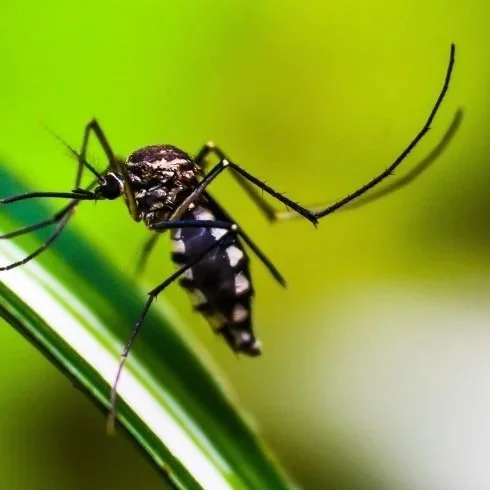
Mosquito problems rarely start with the bugs you see flying around.
You step outside for ten minutes and come back inside covered in bites, even though you sprayed, lit candles, and tried everything you could think of. That constant frustration usually means mosquitoes aren’t just passing through; they’re breeding somewhere in your yard, and most of the time, it’s happening in drainage areas you don’t even notice.
Mosquito problems rarely start with the bugs you see flying around. They start with water sitting quietly in places like yard drainage systems, where mosquito treatments need to disrupt breeding at the source rather than just chasing adults after the fact.
Why Your Yard Keeps Creating Mosquitoes Without You Realizing It
Most homeowners assume mosquitoes come from nearby woods or neighboring properties, but in many cases, the problem starts right in their own yard. Drainage systems are designed to move water away, but when they don’t drain completely or collect debris, they create small pockets of standing water that stick around longer than expected.
These pockets don’t need to be large. A shallow dip near a downspout, a clogged section of a French drain, or a low spot in the yard can hold enough water for mosquitoes to lay eggs. Because these areas are often hidden or blend into landscaping, they go unnoticed while quietly supporting a full breeding cycle.
The problem builds over time. Each rainfall adds more moisture, and if the drainage system isn’t working perfectly, that water lingers. Mosquitoes take advantage of that consistency. Once they find a reliable place to reproduce, they don’t leave. That’s when homeowners start noticing the same issue every evening, regardless of how many repellents they use.
Why Drainage Areas Are Perfect For Mosquito Breeding
Mosquitoes are not looking for large ponds or obvious water sources. They prefer areas that stay damp, protected, and undisturbed. Yard drainage systems offer exactly that combination. Shaded spots near drains, under landscaping features, or along foundation edges hold moisture longer because they are shielded from direct sunlight and airflow.
Unlike open water that evaporates quickly, these drainage zones create a stable environment where mosquito eggs can develop without interruption. The water doesn’t need to stay for long. Even temporary pooling that lasts a few days can support larvae long enough to reach maturity.
Another factor homeowners often overlook is how close these breeding areas are to living spaces. Mosquitoes typically stay near where they hatch. If the source is in your yard, they don’t need to travel far to find people. That’s why outdoor spaces like patios and decks become uncomfortable so quickly, even if the rest of the neighborhood seems unaffected.
Why Spraying Adults Doesn’t Fix The Real Problem
A common mistake is focusing only on adult mosquitoes. Sprays, foggers, and candles might temporarily reduce activity, but they don’t address the next generation already developing in water sources. That’s why the problem keeps coming back after a short period of relief.
Mosquito treatments that target breeding habits work differently. Instead of reacting to what’s flying around, they focus on stopping mosquitoes before they reach that stage. Larvicides are used in standing water to interrupt development, preventing larvae from becoming biting adults.
This approach changes the outcome over time. When larvae are eliminated before they mature, the overall population begins to shrink. Homeowners notice fewer mosquitoes, not because they’re being chased away, but because they’re not being produced in the first place. That shift makes long-term control possible rather than just temporary relief.
How Mosquito Treatments Disrupt The Breeding Cycle
Effective mosquito treatments are built around breaking the life cycle at multiple points. Larvicides are applied directly to water sources in drainage areas, targeting mosquito larvae without affecting other parts of the yard. These treatments continue working after application, which helps manage new eggs that hatch later.
At the same time, adulticide treatments may be used to reduce the current population. These focus on shaded areas where mosquitoes rest during the day, such as dense vegetation, under decks, or around structures. By combining both approaches, treatments address both the immediate problem and the underlying cause.
Homeowners often misunderstand how targeted these treatments can be. There is no need to treat every inch of the yard. The focus is on the areas where mosquitoes actually breed and hide. That precision not only improves results but also avoids unnecessary application in areas that are not contributing to the problem.
Where Mosquitoes Hide That You’re Not Checking
Drainage systems are only part of the picture. Mosquitoes take advantage of any area that holds moisture long enough to support their life cycle. That includes places homeowners don’t typically inspect, such as the inside of drainage pipes, waterlogged mulch, or low areas along the foundation.
Clogged gutters are another common issue. When debris blocks water flow, it creates standing water that becomes a breeding site. Downspouts that don’t extend far enough from the home can also lead to pooling near the base, which adds to the problem.
Landscaping features can contribute as well. Decorative stones, edging, and plant beds sometimes trap water in ways that are not obvious. These small pockets may not seem significant, but they add up. When multiple minor sources exist, they create a steady supply of mosquitoes, making outdoor areas difficult to enjoy.
Why Yard Maintenance Alone Doesn’t Solve It
Improving drainage and maintaining the yard are important, but they don’t always eliminate the problem. Even well-maintained yards can develop temporary pooling after rainfall, and those short windows are enough for mosquitoes to lay eggs.
Homeowners often try to fix the issue by adjusting grading, clearing debris, or redirecting water flow. While these steps help reduce conditions that attract mosquitoes, they don’t address existing larvae or eggs already present in the environment. That’s why the problem can continue even after visible improvements are made.
Combining maintenance with targeted mosquito treatments creates a more complete approach. Maintenance reduces the likelihood of standing water, while treatments handle the breeding cycle that maintenance alone can’t eliminate. Together, they create conditions far less favorable to mosquitoes.
Why Consistency Is What Actually Reduces Mosquitoes
Mosquitoes reproduce continuously as long as conditions allow. A single treatment may reduce activity for a short period, but without follow-up, the cycle starts again. Consistency is what gradually lowers the population over time.
Seasonal treatments timed around rainfall and temperature changes are especially effective. Warmer months create ideal breeding conditions, so regular attention is needed to prevent population growth. Each treatment interrupts another cycle, reducing the number of mosquitoes that reach adulthood.
Homeowners often notice the difference after repeated treatments. Outdoor spaces become more comfortable, and the constant need for sprays or repellents decreases. Instead of reacting to mosquitoes every time you step outside, the environment itself becomes less supportive of their presence.
When Mosquito Problems Don’t Go Away
Some yards continue to have mosquito issues even after homeowners make changes. That usually means there are hidden drainage problems or breeding areas that haven’t been identified. Water may be collecting in places that are not obvious, or conditions may be creating moisture that lingers longer than expected.
Professional pest control identifies these hidden sources through detailed inspections. Technicians look for subtle signs of standing water, drainage inefficiencies, and environmental conditions that support breeding. Once those areas are located, treatments are applied directly where they will have the most impact.
This targeted approach removes the guesswork. Instead of trying multiple solutions without clear results, homeowners get a focused plan that addresses the actual source of the problem. That clarity is often what finally brings lasting relief.
FAQs
Why do I have so many mosquitoes in my yard even without standing water?
Mosquitoes can breed in very small amounts of water that are easy to miss. Areas like clogged gutters, drainage systems, plant trays, or low spots in the yard can hold enough moisture to support their life cycle. Even temporary pooling after rain can create ideal conditions for breeding.
Do mosquito treatments really stop breeding?
Yes, treatments that include larvicides target mosquito larvae before they become adults. This approach helps break the life cycle and reduces the overall population over time instead of only providing short-term relief from adult mosquitoes.
How often should mosquito treatments be applied?
Mosquito treatments are typically applied on a regular schedule during warmer months when activity is highest. Consistent applications help interrupt breeding cycles and maintain better control throughout the season.
Can drainage systems cause mosquito problems?
Yes, drainage systems can create hidden breeding areas if water collects or moves too slowly. Shaded and damp conditions within these systems provide an ideal environment for mosquitoes to reproduce close to your home.
When should I call pest control for mosquitoes?
If mosquitoes continue to be a problem despite regular yard maintenance and prevention efforts, there is likely a hidden breeding source. A pest control professional can identify and treat these areas directly to reduce activity more effectively.
Get monthly, bi-monthly, quarterly, bi-annually, and seasonal pest control services across Phoenix Valley with Russell Pest Control. We offer environmentally friendly pest control solutions for fleas and ticks, mosquitoes and flies, rodents, mice, and rats, and weed control. Our team has all required state licenses and stays updated with all industry advancements. Connect with us for more information.
