
How Often Should You Spray for Pests in Arizona
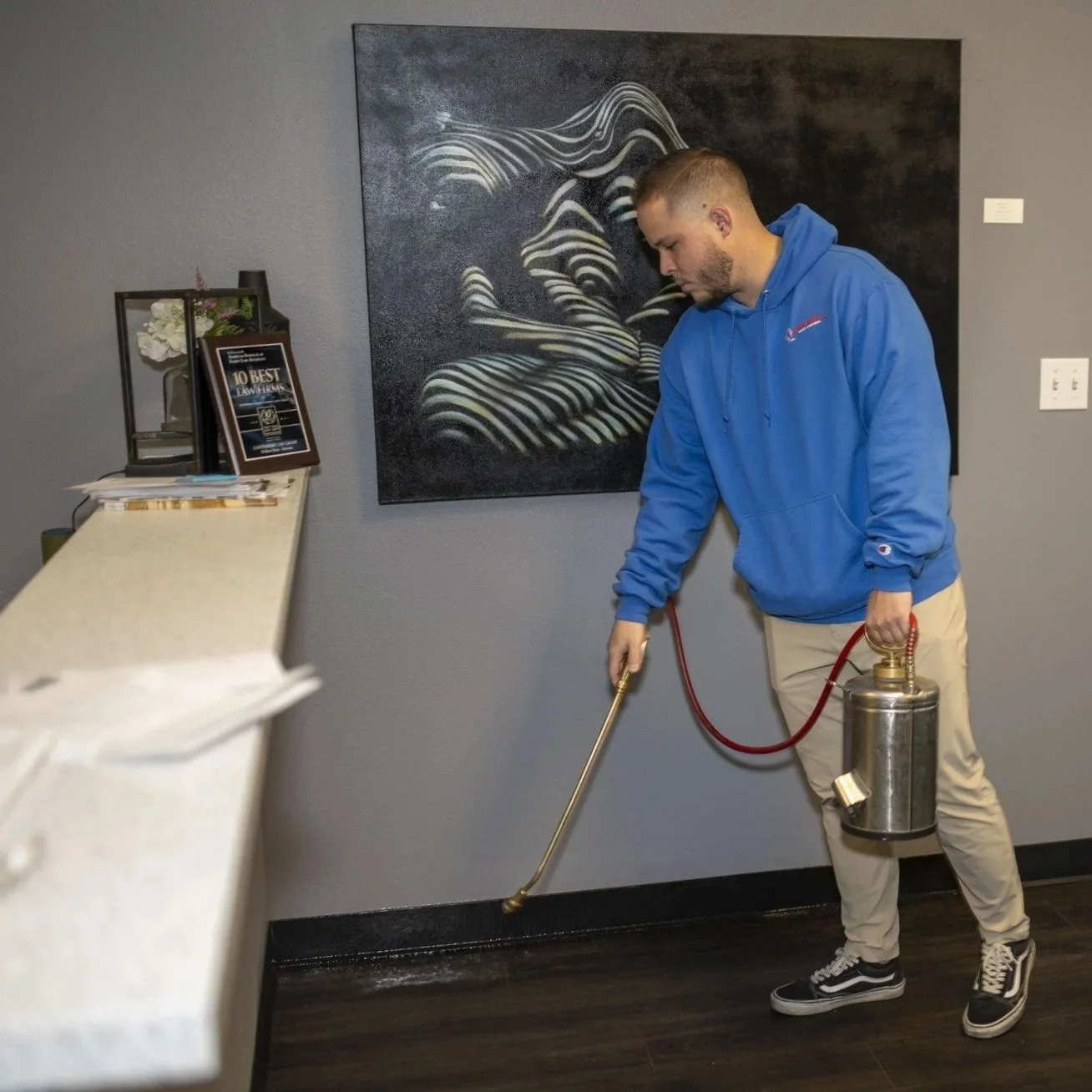
In states with cold winters, many pest species go dormant or die off, giving homeowners a natural break.
You had your house sprayed three months ago, and now the ants are back on your kitchen counter like nothing happened. If you're trying to figure out how often you should spray for pests in Arizona, the honest answer is more complicated than any pest control company's pricing page will tell you.
Arizona's Pest Calendar Does Not Take Breaks
How often should you spray for pests in Arizona? The answer starts with understanding that Arizona does not have a traditional winter pest season. In states with cold winters, many pest species go dormant or die off, giving homeowners a natural break. In Phoenix, AZ, and across the Sonoran Desert region, the climate keeps pest activity at levels that most transplants from northern states never quite anticipate. Temperatures may dip enough in December and January to slow some surface activity, but soil temperatures stay warm enough for subterranean termites to stay active underground, and scorpions remain active well into November in many parts of the Valley. Roof rats, which have become a serious problem across Maricopa County, prefer the cooler months for nesting in attics and wall voids.
What that means practically is that there is no time of year when you can confidently skip pest control service and assume you're covered. The pest activity shifts, but it does not stop. Spring brings ant and termite swarm season. Summer monsoons push scorpions, spiders, and roaches toward higher ground, often inside your home. Fall cools things off enough that roof rats begin moving indoors, and winter's mild temperatures keep cockroach activity going in garages and utility areas. Arizona pest control needs to be a continuous program, not a seasonal one, and the frequency of that program should be matched to the pressure your specific property faces.
The Truth About How Long a Pest Treatment Actually Lasts
One of the most common questions homeowners ask is how long a pest spray lasts in Arizona. Most exterior residual treatments stay active for 60 to 90 days under normal conditions. That's the window where the product is doing the work it was designed to do. After that, weather exposure, UV breakdown, rain, and foot traffic erode the effectiveness of the barrier. In Arizona, intense summer heat accelerates the breakdown of many products applied to exterior surfaces. A treatment applied in July on a west-facing wall that gets full afternoon sun is not going to last as long as the same treatment applied to a shaded north-facing surface. Technicians who know the region account for this. Those who don't will treat every surface the same way and leave you wondering why the product seems to stop working early.
Interior treatments tend to hold longer because they're not exposed to weather, but they're also applied less frequently for that same reason. A well-executed interior treatment targeting cracks, crevices, and baseboards can provide lasting residual activity for several months. The issue is that interior treatments alone don't stop pests from entering. Pests start outside and work their way in. Treating only the inside of your home is like mopping the floor while the pipe is still leaking. The exterior barrier is what keeps the population from reaching your walls in the first place, and that barrier needs to be refreshed on a schedule that matches how fast it degrades in Arizona conditions.
Monthly, Bi-Monthly, or Quarterly: What Actually Works for Phoenix Homes
When Arizona homeowners search for how often to get pest control service, they usually find three options: monthly, bi-monthly (every other month), or quarterly. Monthly service is the most protective and makes the most sense for homes with documented scorpion activity, homes that back up to desert washes or open lots, or properties with ongoing infestation history. Phoenix, AZ, neighborhoods near South Mountain, the Estrella Mountains, or undeveloped desert edges tend to see higher scorpion pressure and benefit most from monthly coverage. The 30-day cycle keeps product levels consistent and gives your technician a chance to identify new entry points before they become a bigger problem.
Bi-monthly service is the most popular option for most Phoenix, AZ, households, and for good reason. Every 60 days keeps the exterior barrier refreshed before it fully degrades, covers the major pest pressure cycles throughout the year, and hits a price point that most homeowners find reasonable compared to the monthly alternative. If your property is in an established neighborhood, has a maintained yard, and doesn't have a scorpion history, bi-monthly service is usually sufficient to maintain effective protection. Quarterly service works for some low-pressure properties, but in Arizona, the 90-day gap often lands during peak pest transition months like April or October, where a missed treatment can let a seasonal surge get ahead of the barrier before it's refreshed. That gap is exactly where reinfestation starts.
What Happens When You Skip Service and Wait for a Problem
A lot of Arizona homeowners treat pest control the way they treat car maintenance: they ignore the schedule until something obvious breaks. The problem is that pest problems rarely announce themselves the way a check engine light does. By the time you see a scorpion in your bedroom or a line of ants across your pantry shelf, the issue has usually been building for weeks. Pests don't travel alone. A single German cockroach spotted in your kitchen almost always means there are dozens more hiding in wall voids, under appliances, or inside cabinet crevices where you can't see them. Skipping regular service removes the chemical barrier that was keeping the population from growing, and once it collapses, reinfestation moves faster than most homeowners expect.
The cost of reactive pest control in Phoenix, AZ, is consistently higher than preventive service. An active infestation requires more product, more targeted application, potentially multiple follow-up visits, and sometimes exclusion work to seal the access points pests use to establish themselves inside the home. What might have cost $70 on a maintenance schedule becomes a $200 corrective treatment, plus a callback, plus the time and inconvenience of dealing with it. That's before factoring in any damage caused by the pests themselves. Roof rats that nest over a winter season can leave behind damaged insulation, chewed wiring, and a contaminated attic. Consistent service costs less, protects more, and removes the anxiety of wondering what's moving around in your walls while you're sleeping.
FAQs
How often should I spray for pests in Arizona if I have scorpions?
If you have scorpions in or around your Phoenix, AZ, home, monthly pest control service is the most effective frequency. Scorpions are harder to control than general household pests and require consistent residual product application to reduce the population over time. Monthly service keeps the exterior barrier strong, allows your technician to identify harborage areas like wood piles, rock borders, and gaps in the foundation, and gives the treatment program the consistency it needs to make a noticeable difference. Bi-monthly service can work for low-pressure properties, but homes with documented scorpion activity will see better results with monthly visits.
Does rain in Arizona wash away pest control treatments?
Monsoon rain can reduce the effectiveness of some exterior pest control treatments, but most modern products are formulated to bond to surfaces and withstand light rain after they dry. The issue in Phoenix, AZ, is less about individual rain events and more about cumulative weathering over time. Heat, UV exposure, and repeated moisture cycling all break down product effectiveness. After a significant storm, it is worth calling your pest control company to ask whether a courtesy re-treatment is needed. Most service plans include free callbacks between scheduled visits, which covers exactly this kind of situation.
Is quarterly pest control enough for a Phoenix home?
Quarterly service may be sufficient for some Phoenix, AZ, homes in low-pressure areas with no documented pest history and well-maintained landscaping. For most homes in the Valley, especially those near desert terrain, washes, or open lots, quarterly visits leave a 90-day gap that often falls during peak pest transition seasons. That gap is where external pressure builds and reinfestation begins. If you are on a quarterly plan and regularly see pests between visits, it is a strong sign your home needs more frequent service to maintain effective year-round protection.
Russell Pest Control offers professional residential pest control services tailored to the customer’s needs across Phoenix Valley. Whether you need Africanized bee removal, spider control, or scorpion control, our licensed, experienced, and trustworthy technicians adopt an eco-conscious approach to minimize environmental impact. No hidden fees or gimmicks. Contact us today for a free estimate.
