
When Bee Removal Requires Professional Equipment and Safety Protocols
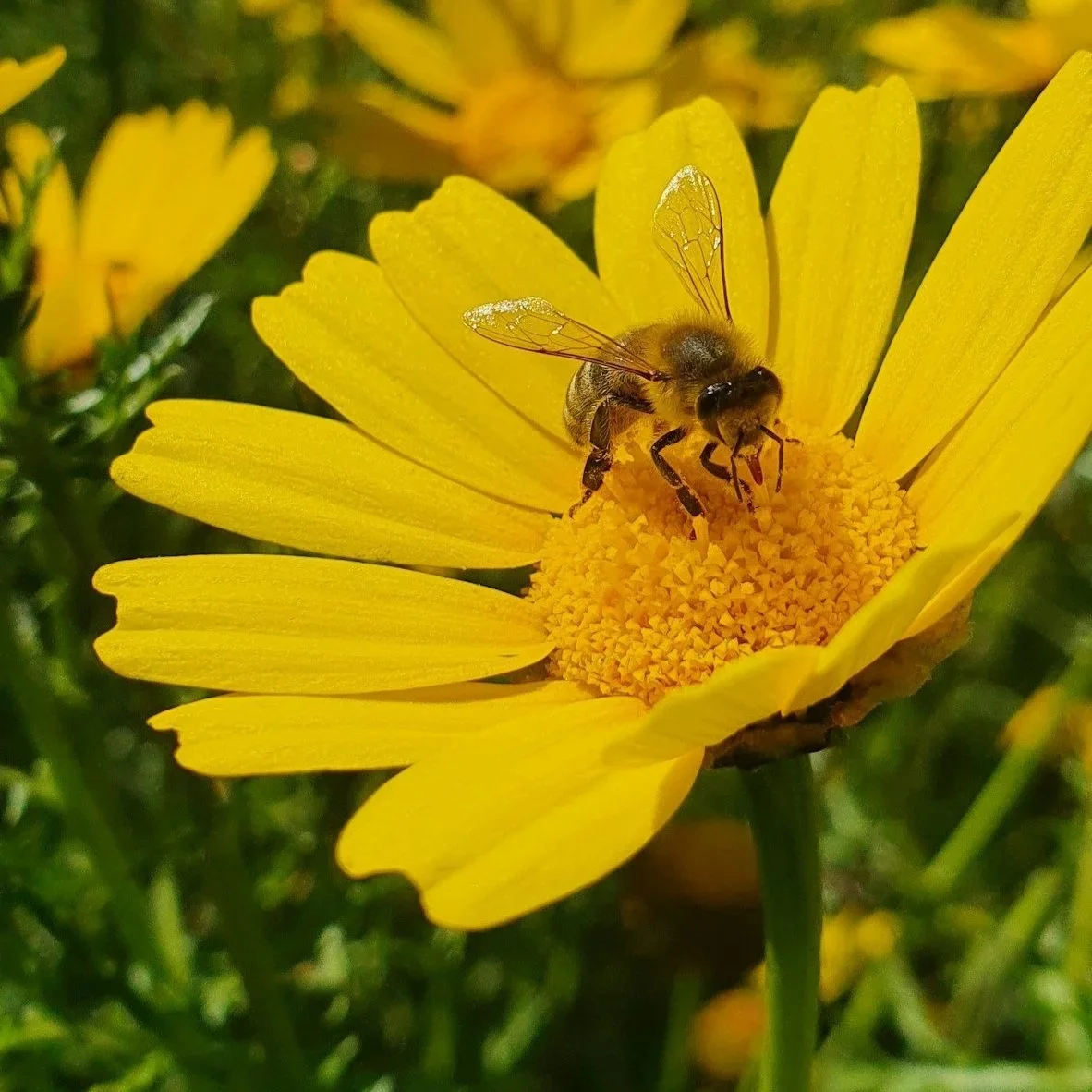
When bee removal becomes necessary, it’s important to consider the need for professional equipment and proper safety protocols.
Bees are important to the environment, playing a vital role in pollination. However, when they decide to set up shop in or around your home, they can quickly become a significant concern. Although bees are usually non-aggressive and often leave people alone if undisturbed, they can become dangerous when they feel threatened. When bee removal becomes necessary, it’s important to consider the need for professional equipment and proper safety protocols. Trying to handle the situation without the proper tools or knowledge can lead to injury, property damage, or even legal trouble in some cases.
Why Professional Equipment Is Necessary for Bee Removal
Bees are delicate creatures, and their removal requires more than a simple DIY approach. While it might seem tempting to try to remove a bee colony yourself, doing so can be risky for both you and the bees. Professional pest control services are provided with the right tools and technology to handle bee removal in a safe and humane way.
One of the primary reasons professional equipment is necessary is to safely access the bee nest. Bee colonies often build their hives in hard-to-reach places, such as inside walls, in attics, under decks, or within trees. These locations require specialized tools, such as ladders, long-reaching equipment, and protective clothing, to safely access and remove the hive without disturbing or angering the bees.
Furthermore, professionals use beekeeping gear that provides protection while working around the hive. Protective suits, gloves, veils, and boots are standard equipment for pest control experts. These suits help prevent stings, allowing technicians to work in close proximity to the hive without putting themselves at risk. Without the proper protection, attempting bee removal could result in multiple stings, which can cause allergic reactions in some individuals.
The Role of Safety Protocols in Bee Removal
Safety protocols are critical when dealing with bee colonies. Bees are not inherently aggressive, but when they feel their nest is threatened, they will defend it. Stings can cause extreme reactions in some individuals, and in rare cases, they can be life-threatening. For this reason, pest control professionals follow stringent safety guidelines to protect both themselves and the property owners.
One of the first steps in the removal process is to assess the situation. A technician will evaluate the size of the hive, its location, and the overall activity around the nest. They’ll determine if it’s safe to proceed with removal, considering factors like the number of bees present and whether anyone nearby has allergies to bee stings. In some cases, if the colony is too large or the location too risky, pest control experts may recommend relocating the hive rather than attempting to remove it entirely.
Professional technicians also take steps to minimize disruption to the colony during removal. They carefully plan the process to avoid disturbing the bees unnecessarily. This might involve working at specific times of the day when the bees are less active or when they are not out foraging. Minimizing disturbance helps to prevent the bees from becoming overly aggressive, making the removal process safer for everyone involved.
Why DIY Bee Removal Is Not Recommended
Bee removal is not a task to be taken lightly. While it may seem like an easy problem to solve, attempting to remove a bee colony without the right knowledge and equipment can lead to serious consequences. First and foremost, there’s the risk of being stung. Bees can become fierce when they feel threatened, and an attack from a swarm can be dangerous, particularly if someone has an allergic reaction to the stings.
Even if you successfully remove the bees, there’s still the issue of the hive itself. Bee nests are often built deep within structures, and simply removing the visible portion of the hive doesn’t mean the entire colony has been eliminated. Bees can return if the hive is not fully removed and the area is not properly sealed. In some cases, the hive could be within the walls of your home, making removal a complex and potentially expensive job.
Another problem with DIY bee removal is the potential for harming the bees. Many people may not realize how important bees are to the environment. Simply killing a colony or disrupting their hive can lead to the unnecessary death of thousands of bees, which can have a negative impact on local ecosystems. Professional pest control experts, on the other hand, often use humane methods to relocate the bees or preserve the hive, which helps to maintain the delicate balance of local pollination efforts.
The Importance of Legal Considerations
In some areas, beekeeping and bee removal are regulated by local laws. In fact, certain species of bees are protected due to their importance to the environment. Attempting to remove or harm a bee colony without understanding the local regulations could result in fines or legal repercussions. Professionals in pest control are well-versed in these regulations and know how to handle bee removal within the confines of the law.
For example, some bee species are considered endangered, and there are specific protocols in place for relocation rather than extermination. Pest control experts follow these protocols to ensure that bees are not harmed in the removal process and that the nest is relocated to a more appropriate location. Professional services are familiar with these laws and can navigate the complex legal landscape without putting you at risk of violating local ordinances.
A Safe, Humane Approach to Bee Removal
When it comes to bee removal, safety and humanity should always be top priorities. Using professional equipment and adhering to safety protocols allows technicians to handle the situation with care, minimizing the risk to both people and bees. Professionals can also relocate the hive, offering a solution that helps both homeowners and the environment.
If you find yourself facing a bee colony on your property, don’t hesitate to reach out to a professional pest control service. The right team will assess the situation, apply the necessary precautions, and remove or relocate the bees safely, allowing you to resolve the issue without putting anyone at risk. Handling bee removal properly helps maintain a healthy ecosystem while also ensuring your safety and peace of mind.
Protecting your property from bee colonies doesn’t have to be stressful, especially when you work with experienced professionals. They will bring the right tools, knowledge, and safety protocols to the job, ensuring that everything is taken care of safely and effectively.
Professional Bee Removal FAQs for Safe Property Management
When is professional bee removal necessary?
Professional bee removal is recommended when a hive is located inside walls, attics, trees, or other hard-to-reach areas around a home. Large or highly active colonies also require trained professionals because bees may become defensive when their nest is disturbed. Pest control experts have the proper equipment and experience to assess the situation and remove or relocate the hive safely.
Why is protective equipment important during bee removal?
Protective suits, gloves, veils, and boots help shield technicians from bee stings while they work close to the hive. Bees can become aggressive when they feel their colony is threatened, which increases the risk of multiple stings. Professional protective gear allows technicians to handle the removal carefully and safely without putting themselves or others at risk.
Can a beehive return if it is not removed properly?
Yes, if a hive is only partially removed or the area is not properly cleaned and sealed, bees may return and rebuild the colony. Leftover honeycomb and scent trails can attract new swarms to the same spot. Professional removal includes addressing the entire hive and helping prevent future infestations.
Is it illegal to remove certain types of bees?
In some areas, certain bee species are protected due to their role in pollination and environmental health. Local regulations may require relocation instead of extermination. Professional pest control services understand these laws and follow proper procedures to ensure the removal process complies with local guidelines.
What happens to the bees after professional removal?
Whenever possible, professionals aim to relocate the colony rather than destroy it. The bees may be transferred to a safer outdoor environment or given to local beekeepers, where they can continue pollinating plants and crops. This humane approach helps protect the ecosystem while resolving the problem on your property.
Russell Pest Control boasts a team of trained and certified technicians for providing comprehensive residential pest control solutions in the Phoenix Valley. From silverfish control, ants control, and roach control to wasp control and honey bee removal, expect nothing but the best from our family-owned business. Call today.
