
The Value of Quarterly Treatments for Multi-Tenant Commercial Properties
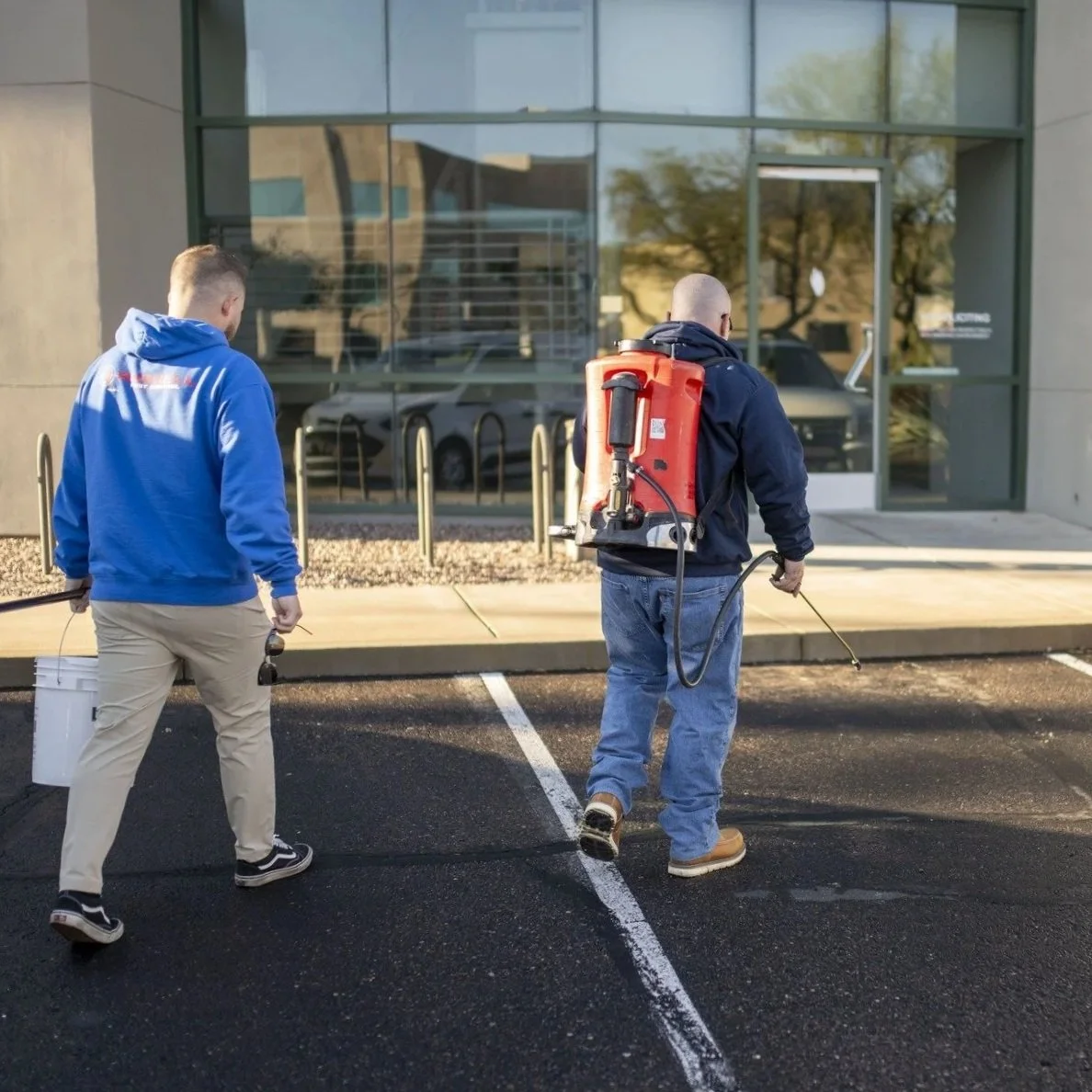
From retail storefronts and professional offices to restaurants and service providers, each tenant brings energy—and a few hidden risks—to the property.
Multi-tenant commercial properties come with their own rhythm. Different businesses share space, utilities, and common areas, all while managing their unique operations. From retail storefronts and professional offices to restaurants and service providers, each tenant brings energy—and a few hidden risks—to the property. With so much movement and overlap, quarterly pest control treatments play a critical role in keeping the peace and protecting the property's reputation.
Shared Walls, Shared Problems
No matter how well one tenant maintains their space, they can't control what's happening next door. Pests don't respect lease boundaries. Roaches travel through shared plumbing lines. Rodents find their way along ceiling voids and electrical conduits. Flies migrate through hallways and vents with ease. What starts in one suite can easily end up affecting three more.
Quarterly treatments help keep those shared walls from becoming shared liabilities. Regular inspections and targeted service visits treat the entire building as a single, interconnected ecosystem. When technicians monitor pest pressures across the property, they catch early signs before they spread and disrupt the balance.
Consistency Keeps Tenants Confident
Tenants notice when property management is on top of things. A predictable quarterly pest control schedule conveys professionalism and care. It shows that the building isn't just reacting to problems—it's actively maintaining a clean, comfortable space for businesses to thrive.
No tenant wants to deal with customer or employee complaints about unwanted visitors. With consistent treatments in place, those conversations rarely need to happen. Instead, tenants focus on what they do best, with confidence that their work environment supports their success.
Rotating Seasons Bring Rotating Risks
Pests follow the seasons like clockwork. Spring means ants waking up and looking for food. Summer brings an uptick in flies, wasps, and stored product pests. Fall nudges rodents indoors, while winter shifts the balance toward warmth-seeking invaders. Every quarter presents a new pest challenge, and the treatment plan should shift accordingly.
Quarterly pest control visits align with these seasonal changes. Each appointment allows the technician to assess current conditions, identify the most active pests for that time of year, and apply strategies that fit the moment. It's not just repetition—it's timely adaptation.
Property-Wide Monitoring Builds A Better Picture
Multi-tenant buildings need a big-picture perspective. Individual tenants may only notice what happens inside their walls, but pest control providers track trends across the entire property. Quarterly treatments come with professional eyes that notice signs of activity long before they escalate.
Whether it's a sudden uptick in fly activity near a shared dumpster or signs of rodent nesting in a utility corridor, routine visits provide the chance to act early. With the right documentation in place, property managers gain valuable insight into trends, problem areas, and progress over time.
Clean Common Areas Stay That Way
Lobbies, restrooms, hallways, stairwells, and break areas all deserve as much attention as the tenant suites themselves. These shared spaces offer plenty of opportunities for pests to make themselves at home. Food debris, foot traffic, and fluctuating temperatures all contribute to increased risk.
Quarterly treatments help keep these spaces spotless—not just visually, but biologically. Flies in restrooms or ants in common kitchenettes may seem minor at first glance, but they often hint at deeper issues. Regular service allows for light-touch treatments that resolve problems early, without heavy-handed responses that disrupt tenants.
Less Downtime, Fewer Surprises
Surprise infestations never arrive at a convenient time. One rodent sighting can lead to a day of closed doors and a flurry of emergency calls. With quarterly treatments, those surprises become rare. Issues are addressed before they spiral, and pest activity is managed long before it triggers a crisis.
Scheduled service means fewer interruptions, minimal disruption to tenant operations, and faster resolutions when something does pop up. Preventive treatments don't need to pause productivity—they happen in stride with business as usual.
A Cost-Effective Investment With Long-Term Returns
On the financial side, quarterly pest control services are one of the most cost-effective ways to maintain property value. Infestations cause damage to property, inventory, and relationships. Left unchecked, they lead to higher treatment costs, tenant dissatisfaction, and even legal headaches.
Regular service visits create a predictable budget line, with fewer surprise expenses along the way. Long-term, quarterly treatments help extend the life of a building's infrastructure and preserve the health of the businesses inside.
Documentation Builds Trust And Compliance
In regulated industries or food-adjacent operations, documentation becomes as important as treatment. Routine pest control visits create a paper trail that shows a property is being managed with care. That matters to tenants, auditors, and anyone reviewing lease agreements.
Professionals maintain detailed service reports, activity logs, and trend-tracking for each visit. When questions arise or inspections occur, that documentation is ready to support the work being done and the results being delivered.
A Quiet Backbone To A Thriving Property
Pest control doesn't ask for attention when it's working well. It simply supports the daily hum of business, letting people walk in and out without thinking about what might be hiding under the vending machine or buzzing near the front door. Quarterly treatments provide structure to that quiet success, making sure the property stays as professional as the tenants it serves.
In multi-tenant commercial spaces, nothing stays isolated for long. Shared air, shared energy, and shared challenges require shared solutions. Quarterly pest control brings consistency, visibility, and peace of mind—all wrapped up in a rhythm that fits neatly into the calendar. With every passing season, the value only grows.
Rely on Russell Pest Control’s decades of local expertise to get lasting and reliable commercial pest control solutions in the Phoenix Valley. From initial inspection and assessment to ongoing monitoring and prevention, we follow a thorough and detailed approach to keep your restaurant, office, hotel, school, warehouse, or healthcare facility, free of pesky pests. Call us today to schedule a consultation.
