
Debunking Common Myths About Cockroaches
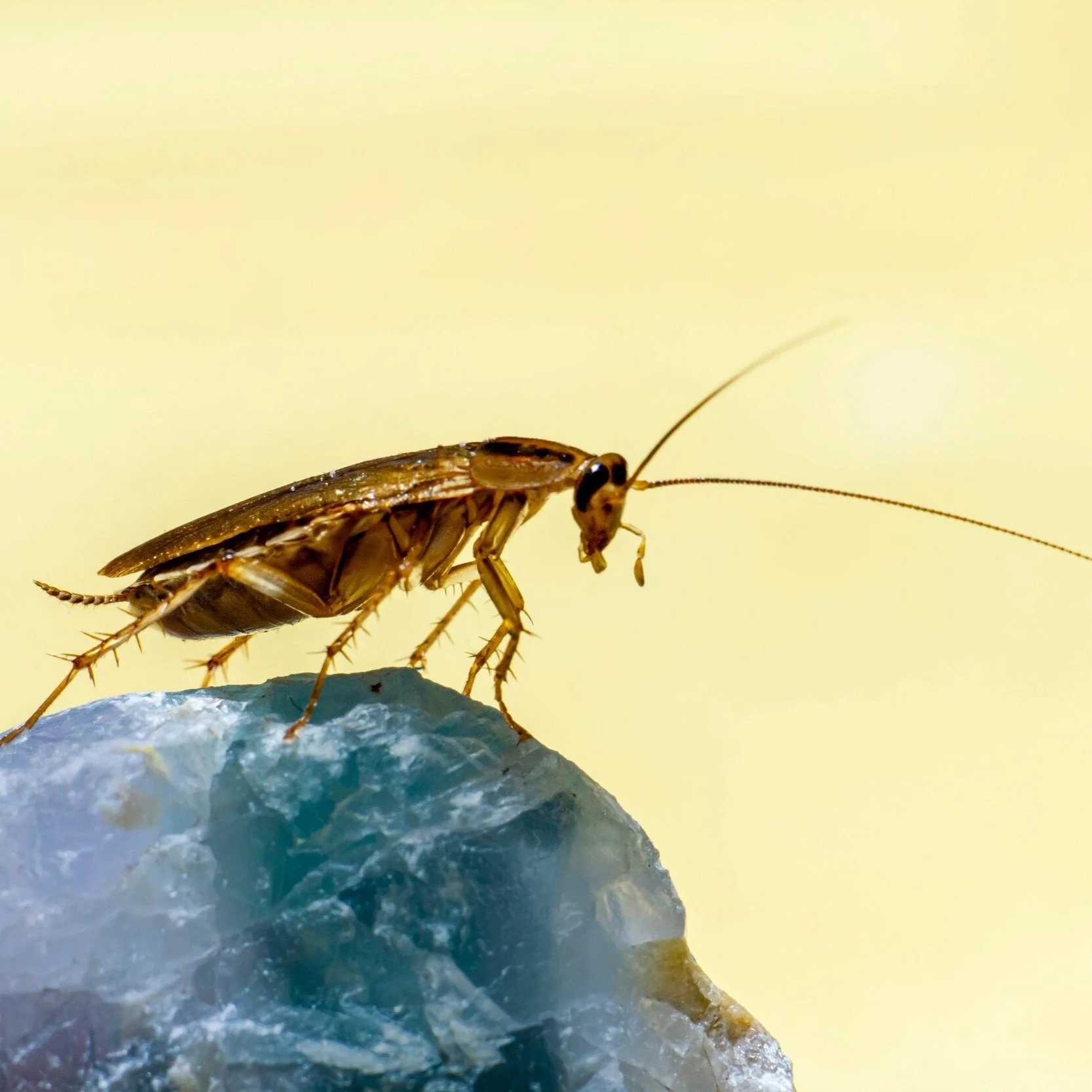
Many of the cockroach myths come from misunderstanding their biology.
You keep a clean kitchen, take the trash out regularly, and you still found one crawling across the counter at midnight. The first place most Phoenix, AZ, homeowners go is self-blame, which is exactly where cockroach mythology wants you, because wrong assumptions lead to wrong treatments.
Arizona has more than 20 known cockroach species, a year-round warm climate, and a monsoon season that sends populations surging indoors every summer. Getting the facts straight about how these pests actually behave is the difference between a problem solved and a problem that keeps coming back.
Clean Kitchens Get Roaches Too, and Here Is the Proof
The most persistent cockroach myth in Phoenix, AZ, is that a clean home is a safe home. Homeowners who scrub their kitchens daily and store everything in sealed containers still report infestations, and the reason is straightforward. Cockroaches are opportunists that follow moisture, warmth, and shelter as much as they follow food.
German cockroaches, the most common indoor species in the Valley, enter homes inside grocery bags, cardboard boxes, secondhand appliances, and even luggage. They do not need visible food debris to survive. Grease residue behind a stove, water condensation under a refrigerator, and the adhesive on cardboard packaging all provide enough sustenance to sustain a small population while it establishes itself deeper in the structure.
Arizona homes also deal with pressure from American cockroaches entering through sewer lines, irrigation systems, and plumbing gaps that have nothing to do with housekeeping. Cockroaches thrive in water meter boxes, valve boxes, and the landscaping common around Phoenix, AZ, foundations regardless of how immaculate the interior is. Blaming cleanliness alone is the myth that causes the most treatment delays across the Valley.
Seeing One Roach Means Hundreds Are Already Hiding
Most Phoenix, AZ, homeowners who spot a single cockroach assume it wandered in alone and conclude the problem is minor. Cockroaches are nocturnal and spend daylight hours completely hidden in cracks, wall voids, under appliances, and behind cabinet backs. A roach visible during the day almost always signals a population large enough to push individuals into exposed areas.
German cockroaches reproduce at a rate that genuinely shocks most homeowners. A single female can produce up to 200 offspring over her lifetime, with new egg cases hatching every few weeks under Valley temperature conditions. One female introduced in a grocery bag in January can represent a population of hundreds by spring without a single visible sign during those intervening months.
American cockroaches in Phoenix, AZ, follow a similar pattern. Their colony lives in drains, sewer connections, and exterior wall gaps, sending foragers inside at night. The roach crossing your kitchen floor is the visible fraction of a population operating almost entirely out of sight. A single sighting is a data point worth acting on immediately, not a minor inconvenience to monitor.
The Arizona Desert Does Not Protect You From Roaches
A genuinely local myth in the Phoenix Valley is that the dry desert climate limits cockroach populations to a manageable nuisance. Arizona's warm temperatures actually create year-round breeding conditions that most American cities never experience. There is no hard winter freeze in Maricopa County to naturally reduce outdoor populations between seasons.
Monsoon season actively makes things worse. The surge of humidity from June through September drives outdoor cockroach populations to peak activity while simultaneously flooding ground-level nesting sites. American and Turkestan cockroaches displaced by monsoon moisture migrate indoors in numbers that consistently surprise homeowners across Chandler, Mesa, and Scottsdale, AZ, who assumed the warmer months would be better than spring.
The Turkestan cockroach specifically warrants mention because it represents a myth within a myth. Many Phoenix, AZ, homeowners who see large outdoor roaches assume they are looking at American cockroaches and treat accordingly. Turkestan cockroaches are actually replacing Oriental cockroaches in many Valley areas, reproduce faster, and respond differently to treatment. Species identification in Arizona directly determines whether treatment works.
Spraying a Roach Trail Does Not Fix the Infestation
The store-bought spray myth causes more persistent cockroach problems in Phoenix, AZ, than almost any other misunderstanding. Contact sprays kill the workers they reach on surfaces but trigger a dispersal response in the colony. Surviving roaches spread to new harborage zones, sometimes deeper into wall voids, carrying the infestation further into the structure rather than reducing it.
German cockroaches have developed resistance to many common over-the-counter insecticide formulations used throughout the Valley. Their high metabolic rate processes certain pesticides without lasting effect, and their fast reproductive cycle means even a partially resistant population rebounds quickly. The spray that worked five years ago may be doing little more than rearranging the problem without eliminating it from the structure.
Professional roach control in Phoenix, AZ, uses slow-acting gel baits placed directly in harborage zones, which cockroaches carry back to the nesting site and share through contact and grooming. Insect growth regulators interrupt the reproductive cycle at the egg and nymph stage. Neither mechanism is available in consumer products, which is precisely why the gap between professional results and DIY results in Valley homes is so consistent and so wide.
Flying Roaches Are Not a Different Species, They Are Yours
Phoenix, AZ, homeowners regularly report a different kind of panic when they encounter a large roach that takes flight. The common assumption is that flying roaches are a separate, exotic species from somewhere unusual. In reality, most cockroach species in Arizona have wings, and several fly readily under the right conditions, particularly during warm monsoon evenings.
American cockroaches fly most actively during Phoenix's hot evenings when temperatures remain high after sunset. The combination of heat and monsoon humidity creates the exact conditions that trigger flight behavior, which is why summer and early fall produce the most flying roach encounters across the Valley. A roach in flight is not a different problem. It is the same species behaving differently in warm weather.
Turkestan cockroaches, increasingly common throughout Phoenix, Scottsdale, and Peoria, AZ, also fly and are drawn to outdoor lighting in a way that brings them directly to patio doors, garage entries, and illuminated gaps in the building envelope. Switching to yellow exterior lighting and reducing unnecessary lights during peak evening hours cuts down the draw that guides these species toward your entry points on warm nights.
Cockroaches Cannot Actually Survive a Nuclear Explosion
The nuclear survival myth inspires a kind of helpless fatalism in homeowners who believe it. Cockroaches do have a measurably higher radiation tolerance than humans, which is real biology. Their simple cellular structure and slow cell division rate during dormancy make them more resistant to ionizing radiation exposure than mammals, and that real fact has grown into a legend.
However, the myth inflates this genuine biological advantage well beyond the evidence. Cockroaches would not survive a direct nuclear detonation. The blast, heat, and concentrated radiation at ground zero would destroy them as decisively as anything else in the vicinity. The radiation resistance that gave rise to the myth applies at lower doses, not at the extreme physical destruction of a direct detonation event.
Where the myth causes practical harm in Phoenix, AZ, is the fatalism it generates toward treatment. Homeowners who believe cockroaches are essentially indestructible often delay calling a professional because they assume even expert treatment will ultimately fail. A targeted professional program applying the right products in the right locations is highly effective against every cockroach species common to the Valley when the conditions driving the infestation are addressed alongside it.
The Valley's Roaches Deserve a Valley-Focused Solution. That's Russell.
If myths about cockroaches have led you toward treatments that keep falling short, the fastest path forward is a professional inspection that starts with correct species identification. Russell Pest Control has been serving Phoenix Valley homeowners since 1996 with licensed technicians who know Arizona's cockroach species, their behavioral differences, and the treatment approaches that actually reach the colony rather than just the trail.
We offer roach control across Phoenix, Scottsdale, Mesa, Chandler, Gilbert, Glendale, Tempe, Peoria, and Surprise, AZ, with no contracts, no hidden fees, and a free estimate on every call. Whether you are dealing with German cockroaches in the kitchen, American cockroaches entering through sewer-connected plumbing, or Turkestan cockroaches flying in from the landscaping at night, our plan addresses the specific species in your home.
One call gets a Russell Pest Control technician to your door with the knowledge and tools to separate what is real from what is myth and handle the problem correctly. Contact us today for your free estimate.
