
The Role of Targeted Ant Control in Phoenix Kitchens
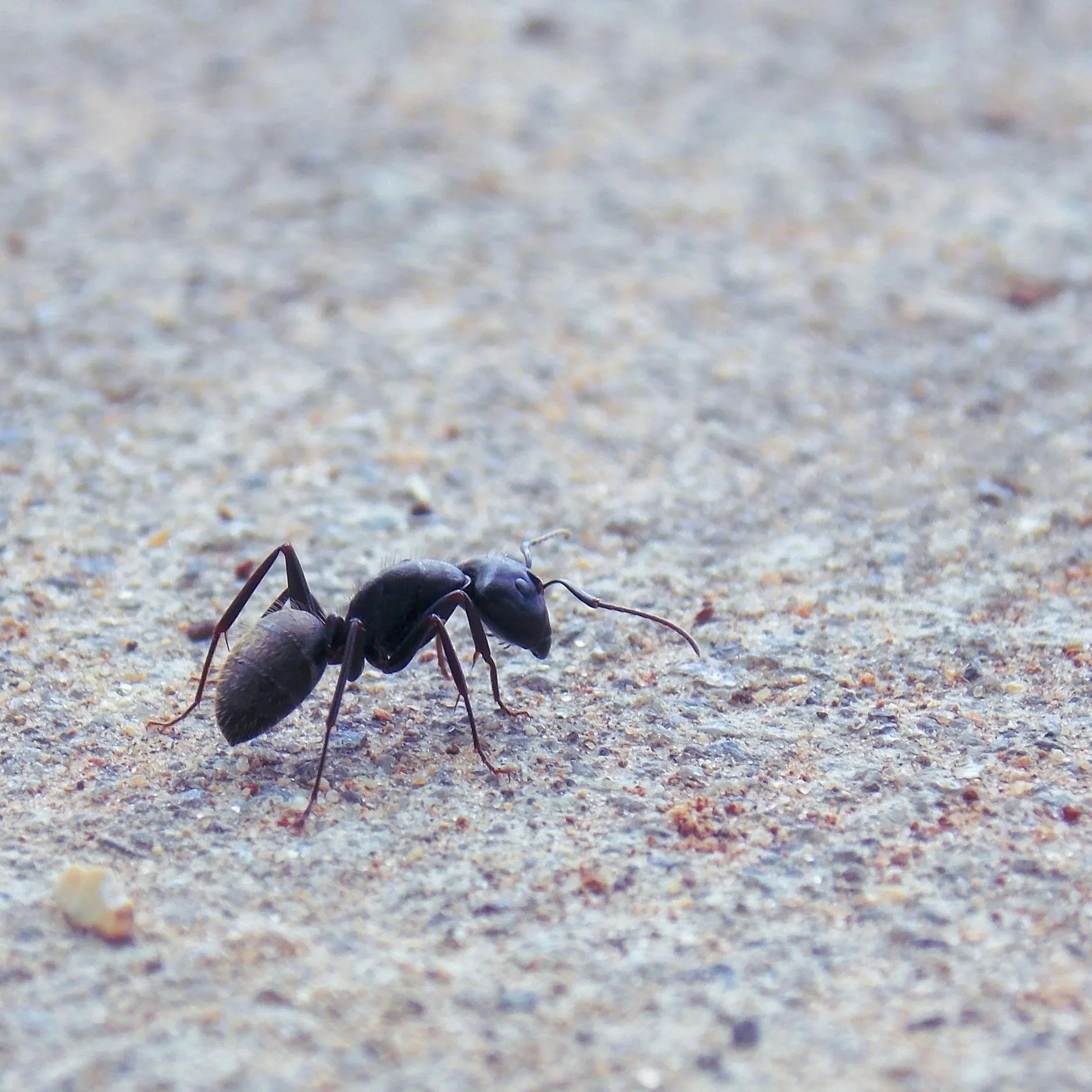
Ants are persistent and opportunistic, always on the lookout for food and moisture.
You wiped the counters, sealed the cereal, and they are still forming a trail straight to your sink every morning. In Phoenix, AZ, kitchen ant problems are not a housekeeping failure. They are a species identification and targeted treatment failure.
Arizona's ant species behave very differently from each other, and treating the wrong ant with the wrong product does nothing but rearrange the problem. Understanding which ants are in your kitchen, why they are there, and how to stop them at their actual source is where real ant control begins.
Why the Trail You See Is the Smallest Part of the Infestation
Ants visible on your kitchen counter represent a fraction of the colony responsible for sending them. Scout ants identify a food or moisture source, return to the colony, and deposit a pheromone trail that guides hundreds of additional workers to the same spot. By the time the trail is visible, the operation is already well established.
Most Phoenix, AZ, homeowners spray the visible trail immediately. Contact sprays kill the workers they reach but trigger a pheromone alarm that sends the colony into defensive behavior. The surviving population relocates, breaks into smaller sub-groups, and resumes foraging from a different direction within days. The spray did not solve the problem. It redistributed it.
The pheromone trail itself persists on surfaces after the ants that deposited it are gone. Workers emerging from the colony days later follow the same invisible chemical signal back to your kitchen. Professional ant control addresses the colony and the pathway, not just the workers crossing the counter at the moment of treatment.
How Odorous House Ants Set Up Inside Your Kitchen Walls
Odorous house ants are the most common kitchen ant complaint throughout Phoenix, AZ, and most homeowners have never heard of them by name. Small and dark brown, they are recognizable by the rotten coconut smell they produce when crushed. They nest inside wall voids near moisture and follow consistent trails to sweet food sources in kitchens.
What makes odorous house ants so persistent is their indoor nesting preference. Unlike species that maintain their colony outside and forage in, odorous house ants live inside the structure, making exterior-only treatments essentially irrelevant to eliminating them. The nest behind your kitchen wall or beneath the bathroom vanity continues producing workers regardless of what happens at the trail level.
Finding odorous house ants consistently near the dishwasher, under the sink cabinet, or along the baseboard adjacent to plumbing fixtures almost always means an indoor nesting site is established nearby. Treating the visible trail buys a day or two of relief while the colony waits out the disturbance and resumes activity through an alternate route in the same general area.
What Makes Argentine Ants a Different Ant Control Challenge
Argentine ants present a challenge unlike any other Phoenix, AZ, kitchen ant species because they form massive supercolonies with multiple queens spanning enormous territories across multiple neighboring properties. A single Argentine ant colony cannot be addressed by treating one nest location or one trail because there is no single nest. There are dozens, all connected.
These ants are attracted to sweet foods and moist, irrigated soil near foundation plantings, which means the overwatered landscaping directly against your exterior wall is almost certainly where a significant portion of the colony is concentrated. Every irrigation cycle that saturates the foundation zone maintains the outdoor population that continuously sends workers through foundation gaps toward your kitchen.
Homeowners dealing with thick, dense ant trails that move consistently along baseboards, through cabinet interiors, and across countertops toward any food source are almost always looking at Argentine ants. The frustrating experience of treating the trail and watching it reconstitute nearby within 48 hours is one of the most reliable indicators that an Argentine ant supercolony is the actual problem.
How Monsoon Season Turns Targeted Ant Control Into an Urgent Priority
Monsoon season from June through September creates the specific conditions that drive the largest annual ant surges into Phoenix, AZ, kitchens. Heavy rains flood ground-level outdoor nesting sites and saturate soil, pushing colonies that have been quietly expanding all spring toward the reliable shelter that your home's interior provides when outdoor conditions become hostile.
The moisture that monsoon rains deposit in irrigated landscapes and overwatered foundation zones also sustains Argentine ant populations directly against the home perimeter during months when outdoor foraging should theoretically be more productive. That irrigation moisture keeps supercolonies large and active immediately adjacent to every entry point leading toward your kitchen throughout the wet season.
Fall follows monsoon in the Valley and brings a second pressure wave. Natural outdoor food sources dry up as the desert transitions out of its brief wet period, and colonies that built through the monsoon months begin actively seeking indoor food resources. Phoenix, AZ, homeowners noticing kitchen ant activity increasing in September and October are experiencing this predictable shift, and it is significantly harder to resolve reactively than proactively.
What Your Kitchen Is Offering That Makes Targeted Control So Critical
The specific conditions that make a Phoenix, AZ, kitchen attractive to ants are less obvious than visible food debris. The drip pan beneath the refrigerator accumulates moisture and food residue that most homeowners never see or access. The caulk seam between the countertop and the backsplash accumulates grease and organic matter feeding colony members living inside the wall void directly behind it.
Leaking supply lines under the sink, condensation on cold water pipes, and the slow drip of a faucet on the repair list all create the moisture signal that ant scouts follow reliably. In Phoenix, AZ's dry climate, a dependable indoor moisture source is one of the strongest ant attractants, often more powerful than a visible food spill that gets wiped regularly.
Pet food and water bowls left on the kitchen floor overnight are one of the most consistent ant introduction points throughout Valley homes. A dog bowl with residual food moisture sitting on kitchen tile after dark becomes a reliable ant destination. The pheromone trail established overnight directs workers back there the following evening even after the bowl is removed and rinsed the next morning.
Why Generic Sprays Undermine Effective Kitchen Ant Control
The most consistent ant control mistake across Phoenix, AZ, homes is treating the visible trail with contact spray and expecting the infestation to resolve. Contact sprays work only at killing ants they physically reach in that moment. The colony producing those workers is untouched and replaces the lost foragers within hours at a pace that no spray can match.
Over-the-counter ant baits are more legitimate because slow-acting toxicant baits get carried back to the colony and shared through contact and grooming behavior. The limitation is that different Phoenix ant species prefer completely different bait formulations. Odorous house ants respond to sweet-based baits. Carpenter ants require protein-based formulations. Argentine ants need baits matched to their current colony nutritional needs, which shift depending on development stage.
Applying the wrong bait to the wrong species produces results indistinguishable from no treatment at all. Argentine ant colonies that encounter an ineffective product step around it and continue foraging without interruption. Targeted ant control begins with correct species identification, which determines the formulation, placement strategy, and perimeter treatment approach that actually reaches the colony rather than just slowing the visible trail temporarily.
How Targeted Treatments Reach the Kitchen Ant Colony Directly
Professional targeted ant control in Phoenix, AZ, places slow-acting gel baits in the harborage zones where ant colonies actually concentrate, not just along the trail visible to homeowners. Bait placed inside cabinet hinges, at the base of wall void gaps, beneath dishwasher kick plates, and within crevices where plumbing penetrates cabinet bases reaches workers that never cross an exposed surface and would never contact consumer products.
Residual perimeter treatments applied to the exterior foundation create a barrier that ants from surrounding landscaping must cross before entering. For Argentine ant pressure specifically, treating the irrigated foundation zone and the block wall perimeter where supercolonies concentrate addresses the outdoor population that continuously reintroduces workers into the home long after interior treatments have reduced visible activity inside.
Follow-up service is not optional in Phoenix, AZ, ant management. Colonies disrupted by treatment relocate, regrow from surviving queens, or shift activity patterns requiring a second inspection to assess and address. Homeowners who resolve kitchen ant problems durably are the ones who maintain the professional program through two or three service cycles rather than canceling after the first treatment reduces visible trail activity.
Your Phoenix Kitchen Belongs to You, Not the Ants
If you have tried spray cans, store-bought bait, and thorough cleaning without getting ahead of the trail reappearing under your sink every morning, the colony driving the problem has not been identified or reached. Russell Pest Control has been serving Phoenix Valley homeowners since 1996 with licensed technicians who identify Arizona's ant species correctly and apply targeted treatment strategies that reach the colony rather than just the trail on your counter.
We serve homeowners across Phoenix, Scottsdale, Mesa, Chandler, Gilbert, Glendale, Tempe, Peoria, and Surprise, AZ, with environmentally responsible ant control programs addressing the specific species on each property. No hidden fees, no pressure, and a free estimate on every inspection. Contact Russell Pest Control today and get your kitchen back from the ants that have been claiming it year after year.
Russell Pest Control boasts a team of licensed, trained and trustworthy technicians for providing comprehensive residential pest control solutions in the Phoenix Valley. From silverfish control, ants control, and roach control to wasp control and honey bee removal,expect nothing but the best from our family-owned business. Trust our decades of local expertise to keep your home pest free. Call today.
