
Bark Scorpion vs. Others: How to Tell What Stung You
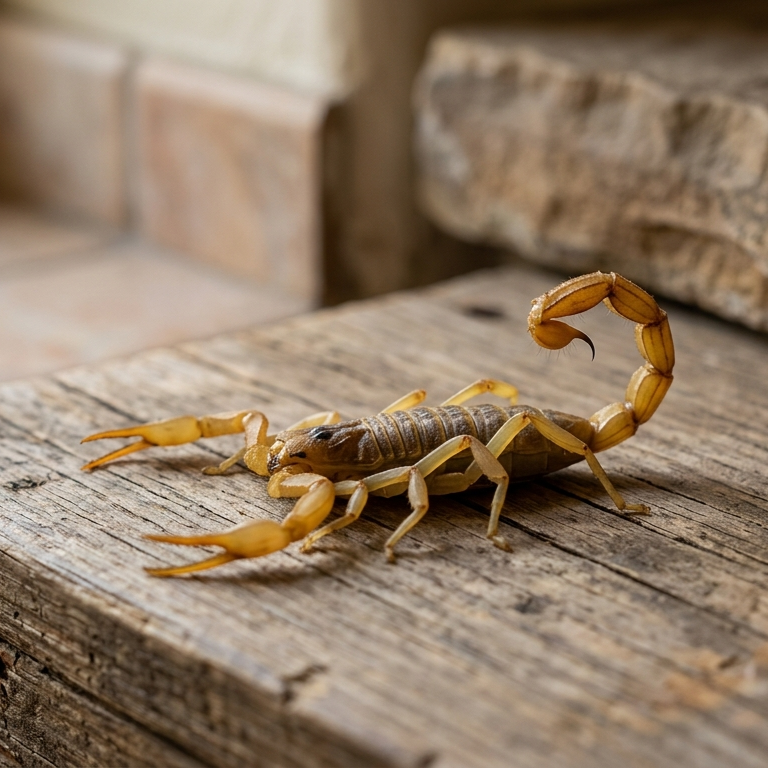
Quick Answer: If you've been stung and want to know which scorpion did it, the key distinction in the Southwest is between the Arizona bark scorpion and the larger, less concerning desert scorpions. Bark scorpions are slender with thin pincers and a thin tail, light tan to yellowish, around two to three inches, and they climb walls. The larger species tend to be bulkier with thicker claws. Identifying the scorpion matters because the bark scorpion is the region's medically significant species. Most importantly: any sting that causes severe or worsening symptoms, or any sting to a child, older adult, or vulnerable person, warrants prompt medical attention and a call to Poison Control — regardless of which scorpion you think it was.
Getting stung by a scorpion immediately raises the question of which kind it was — because in the Southwest, the answer ranges from a painful but generally minor sting to one that deserves real medical caution. Knowing how to tell the bark scorpion from the larger desert species helps you gauge the situation, but the most important guidance comes first: when in doubt about symptoms, get medical help.
First, the Safety Point That Comes Before Identification
Before any identification, the priority after a sting is to watch for symptoms and get appropriate care. A scorpion sting that causes severe pain, numbness or tingling that spreads, difficulty breathing or swallowing, muscle twitching, unusual eye movements, or other significant reactions warrants prompt medical attention. The same is true for any sting to a child, an older adult, someone with health conditions, or anyone who may be especially sensitive — these stings should be taken seriously regardless of the scorpion's identity. Poison Control is a valuable resource for guidance after a sting. Identifying the scorpion is useful, but it never replaces seeking care when symptoms are concerning.
Why the Bark Scorpion Is the One That Matters
In the Southwest, most scorpions deliver a sting that's painful but generally comparable to a bee sting for a healthy adult — unpleasant, localized, and usually not dangerous. The Arizona bark scorpion is the regional exception: it's the medically significant species, the one whose venom can cause more pronounced reactions, and the one health authorities treat as the serious sting. So when people ask "which one stung me," they're really asking whether it was a bark scorpion or one of the larger, less concerning kinds.
How to Tell Them Apart by Appearance
| Feature | Bark scorpion | Larger desert scorpions |
|---|---|---|
| Build | Slender overall | Bulkier, sturdier |
| Pincers | Thin, delicate | Thick, lobster-like |
| Tail | Slender | Often thicker |
| Color | Light tan to yellowish | Often darker or larger |
| Size | About 2–3 inches | Can be noticeably larger |
| Climbing | Climbs walls, hangs upside down | Mostly stays on the ground |
The slender build, thin pincers, light color, and especially the climbing behavior point to a bark scorpion. The larger desert scorpions — like the big, dark, or bulky species people often notice — tend to have thick claws and stay on the ground, and their stings are generally the less concerning kind.
The Behavior Clue Even After the Fact
Where you were stung can hint at the culprit. Bark scorpions climb, so stings can happen from scorpions on walls, in raised spots, or hiding in items brought up off the ground, and they're known for hiding in shoes, bedding, and clothing. A sting from something on the wall or up high leans toward a bark scorpion, while many ground-dwelling encounters could be either. This isn't definitive, but combined with appearance, it helps build the picture.
Why It's Hard to Be Certain — and Why That's OK
Honestly, identifying the exact scorpion after a sting can be difficult, especially if you didn't get a clear look or it got away. The reassuring part is that the right response doesn't actually depend on a perfect identification: you watch for symptoms and seek care based on how you feel and who was stung, not on a confident species ID. If symptoms are mild and localized in a healthy adult, the sting is often managed with basic comfort measures and monitoring; if symptoms are severe or the person is vulnerable, you get medical help. The scorpion's identity informs your caution, but doesn't change the core rule of responding to symptoms.
Seek prompt medical care for any scorpion sting that causes severe or spreading symptoms — such as difficulty breathing or swallowing, widespread numbness, muscle twitching, or unusual eye movements — and for any sting to a child, older adult, or vulnerable person. Contact Poison Control for guidance. The bark scorpion's sting can be serious, so don't wait on a positive identification before getting help.
Why Reducing Scorpions Beats Identifying Stings
The best outcome is not getting stung in the first place, which is where prevention and pest control come in. If you've been stung, or you're regularly finding scorpions — particularly climbers that look like bark scorpions — it's a sign they're established around your home. A pest control professional can identify the species present, find how they're entering and harboring, and reduce them while sealing entry points. Addressing the underlying scorpion presence does far more for your safety than identifying each sting after the fact.
Frequently Asked Questions
If you saw it, a bark scorpion is slender, with thin pincers and tail, light tan to yellowish, around two to three inches long, and a climber. A sting from something on a wall or up high also leans toward a bark scorpion. But identification can be hard, and the more important step is watching your symptoms and seeking care if they're severe or you're vulnerable.
Watch for symptoms and respond to how you feel. Severe or spreading symptoms — difficulty breathing or swallowing, widespread numbness, muscle twitching, unusual eye movements, or a sting to a child, older adult, or vulnerable person warrant prompt medical attention. Contact Poison Control for guidance. Mild, localized symptoms in a healthy adult are often monitored, but get help if anything worsens.
Most scorpion stings in the region are painful but generally comparable to a bee sting for a healthy adult — localized and not dangerous. The Arizona bark scorpion is the exception, as the medically significant species whose sting can cause more serious reactions. Because you can't always be sure which stung you, responding to symptoms and the person's vulnerability is the safe approach.
Bark scorpions are slender with thin, delicate pincers, a slender tail, light color, and a size of around two to three inches, and they climb walls. The larger desert scorpions are bulkier with thick, lobster-like claws and usually stay on the ground. The slender build, light color, and climbing behavior are the main distinguishing features of a bark scorpion.
It informs how cautious to be, since the bark scorpion is the serious one, but the right response depends mainly on symptoms and who was stung, rather than a confident ID. You seek care for severe or spreading symptoms and for vulnerable individuals regardless of the species. So while identification is a helpful context, it doesn't replace responding to how the sting actually affects you.
Reduce the scorpions around your home. Shake out shoes, bedding, and clothing, seal entry points and cracks, and keep harborage like woodpiles away from the house. If you're finding scorpions regularly, a pest control professional can identify the species, determine how they're getting in, and reduce their numbers while sealing them out — which addresses the real risk far better than reacting to each sting.
Identify If You Can, But Respond to Symptoms First
Telling a bark scorpion from the larger desert species comes down to a slender build, thin pincers, light color, and climbing behavior — and it matters because the bark scorpion is the region's medically significant one. But identification can be uncertain, and the rule that protects you doesn't depend on it: watch for severe symptoms, take stings to children and vulnerable people seriously, and seek medical care and Poison Control guidance when needed. Then address the scorpions around your home so it doesn't happen again.
Stung or finding scorpions around your home? — Get the species identified and the scorpions reduced and sealed out. Russell Pest Control serves the Phoenix Valley. Call (623) 469-7583.
