
Your Dog Has Fleas, and Now They’re All Over Your House
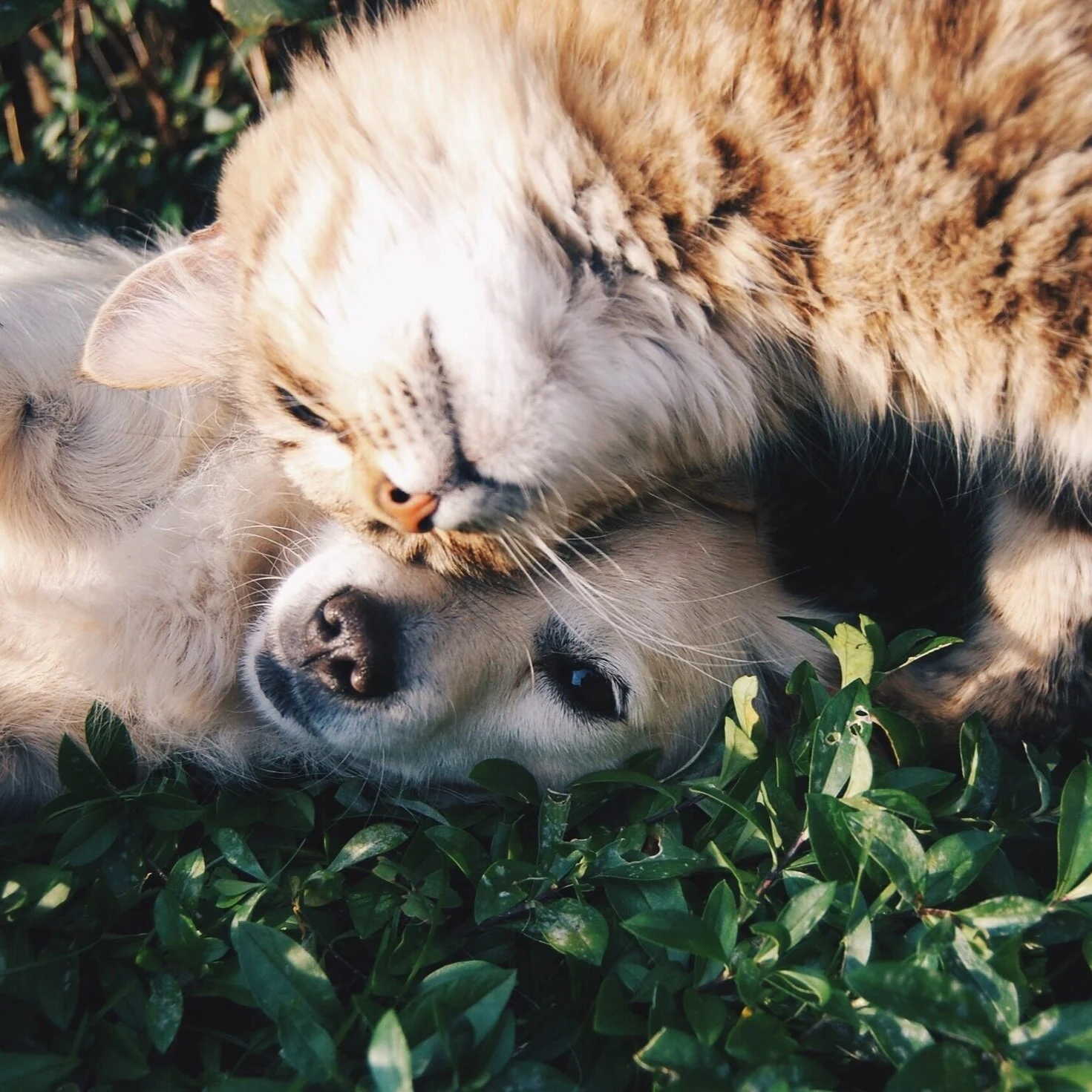
Cats can also get fleas and will happily share them with the dog.
Your dog has been scratching for days and you finally found the evidence, tiny dark specks on the bedding, a fast-moving speck in the carpet, and now you are itching too. In Phoenix, AZ, that moment of realization lands harder than most people expect.
Fleas are not just a pet problem. Once they establish themselves in your home, every room becomes part of the infestation. Understanding how they behave in the Valley's unique climate is the first step toward getting your home and your dog back.
Your Dog Is Miserable and You Can See It
Watching a dog scratch relentlessly is genuinely painful for a pet owner. The itching from flea bites is not mild discomfort. It is constant, persistent, and in dogs with flea allergy dermatitis, a single bite can trigger a full-blown allergic reaction that causes intense skin inflammation, hair loss, and open sores that become infected without treatment.
Beyond the allergy response, fleas feed on blood with a surprisingly high appetite. A heavily infested puppy or small dog can develop anemia from the volume of blood loss, which leads to pale gums, lethargy, and in severe cases, life-threatening weakness. Flea saliva also carries tapeworm larvae, which dogs ingest during grooming. A dog that has fleas often has tapeworms, which is a secondary health problem that many pet owners do not connect to the original infestation.
The emotional weight of a flea infestation on a pet owner is real. Your dog cannot tell you how uncomfortable it is, but the constant scratching, restlessness, chewing at the base of the tail, and inability to sleep are clear enough. Treating the infestation quickly is not just about protecting your furniture and carpet. It is about ending your pet's daily misery as fast as possible.
Phoenix's Desert Climate Does Not Stop Fleas, It Changes Them
Most Phoenix, AZ, pet owners assume the dry desert heat keeps fleas at manageable levels. That assumption leads to delayed treatment and bigger infestations. While Arizona's arid conditions do limit outdoor flea populations compared to humid southeastern states, fleas have adapted to survive and reproduce in the specific microenvironments that Valley properties create.
Irrigated lawns, shaded gravel beds, covered patios, dog runs, and the consistently air-conditioned interiors of Phoenix, AZ, homes provide exactly the moisture and temperature stability fleas need. Indoor environments maintain the humidity levels that support flea egg development regardless of how dry the outdoor air becomes. Once a flea population establishes itself inside a carpet or under a couch, the desert climate outside becomes completely irrelevant to its survival.
Peak flea activity in the Phoenix Valley runs from spring through early fall, with a notable surge during monsoon season from July through September. The humidity that monsoon rains bring to the Valley accelerates the flea life cycle, allowing eggs to hatch faster and larvae to develop more quickly than in the dry months. Homeowners across Chandler, Mesa, and Glendale, AZ, consistently report their worst flea outbreaks following the first significant monsoon rains of the season.
The Signs Every Phoenix Pet Owner Needs to Recognize Early
The earliest and most reliable sign of fleas on a dog in Phoenix, AZ, is behavioral. Sudden, intense scratching or licking at specific body areas, particularly the base of the tail, the belly, and behind the ears, signals flea activity before visible evidence appears on the skin. Restlessness, disrupted sleep, and an inability to settle are all consistent early indicators.
Flea dirt is often the first physical evidence a pet owner finds. It looks like black pepper scattered on the dog's coat, on bedding, or in carpet fibers near where the dog rests. Placing flea dirt on a damp white paper towel confirms identification: if it turns reddish-brown, it is digested blood and confirms an active infestation. Flea eggs are white, oval, and tiny, often shedding from the pet's coat onto furniture, bedding, and carpet where they develop undetected.
Finding flea bites on human family members, typically in clusters around the ankles and lower legs, is a reliable sign that the infestation has moved beyond the pet and established itself in the home environment. By the time humans are being bitten regularly in Phoenix, AZ, households, the carpet, upholstery, and any soft surface the pet has contacted are almost certainly harboring eggs, larvae, and pupae in numbers that a flea comb and some powder will not resolve.
Why Fleas Are Winning While You Spray and Vacuum
The most common mistake Phoenix, AZ, pet owners make when dealing with fleas is treating what they can see while leaving the rest of the life cycle completely untouched. Adult fleas represent only about five percent of the total flea population in an infested home. The remaining ninety-five percent are eggs, larvae, and pupae developing in carpets, upholstery, baseboards, and floor crevices.
Over-the-counter flea sprays and foggers kill adult fleas on contact but have no effect on the pupae stage, which is encased in a protective cocoon that resists most consumer-grade pesticide formulations. Those pupae emerge as new adults within days to weeks, which is why an infestation appears to clear after treatment and then surges back unexpectedly. Vacuuming helps remove eggs and larvae but leaves pupae in place and does not address the continued egg-laying of any adults that survived.
Treating only the pet while ignoring the home environment is equally ineffective. A dog treated with a veterinary flea product will still be bitten by emerging adults from the pupae already in the carpet. The pet medication kills those adults after they bite, but the cycle of emergence continues until the environmental infestation is treated separately and comprehensively. Both the pet and the home environment must be addressed simultaneously for treatment to produce lasting results.
What a Real Flea Life Cycle Infestation Looks Like in Your Home
Fleas lay four to six eggs within hours of feeding, depositing them on the host pet where they then scatter off into the surrounding environment. A female flea can lay up to 50 eggs per day under favorable conditions, which means a modest infestation can produce thousands of new eggs per week across every surface your pet contacts throughout the day.
Those eggs hatch into larvae that burrow deep into carpet fibers, under furniture, and into the seams of upholstery where they feed on flea dirt and organic debris. Larvae avoid light and work their way toward the darkest, least-disturbed areas of a room. The spaces under beds, beneath couch cushions, behind furniture against walls, and in the corners of carpeted rooms are the primary larval development zones in Phoenix, AZ, homes.
After the larval stage, pupae form in protective cocoons that can remain dormant for weeks or months, waiting for vibrations from foot traffic, body heat, and carbon dioxide that signal a host is present before emerging as adults. A home that appears flea-free during an extended absence can produce an immediate adult flea emergence when the family returns from vacation. That experience is consistently one of the most alarming flea encounters reported by Phoenix, AZ, homeowners, and it is entirely predictable from the biology.
The Yard Is Part of the Problem and Most Homeowners Ignore It
Many Phoenix, AZ, pet owners successfully treat their home interior and their dog, then watch the infestation return within weeks because the yard was never addressed. Outdoor flea populations concentrate in the same shaded, moist areas where dogs prefer to rest. Beneath shrubs and dense ground cover, along fences where dogs patrol, in dog kennels, and in the shaded areas adjacent to the home's exterior are all active flea breeding zones.
Irrigated landscaping around Valley homes maintains the ground moisture that allows outdoor flea populations to persist through the dry months when untreated soil would otherwise be too arid for flea development. Dog runs adjacent to the home's foundation can harbor significant outdoor flea populations that continuously re-introduce fleas into the home every time the dog comes back inside. Treating the interior without the yard extends the infestation indefinitely.
Professional outdoor flea treatment in Phoenix, AZ, targets shaded zones, pet resting areas, tall grass edges, and the perimeter of the home's foundation with products that address the outdoor life cycle rather than just killing visible adults. The combination of indoor treatment, outdoor yard treatment, and concurrent pet medication from a veterinarian is the three-part approach that actually breaks the flea cycle rather than simply managing it temporarily.
When It Is Time to Stop Trying and Call Russell Pest Control
If your dog has been on flea prevention medication and the household is still experiencing bites, or if you have treated the home yourself without lasting relief, the infestation has progressed beyond what consumer products can resolve. The environmental load of eggs, larvae, and pupae in the home is producing adult fleas faster than any single-stage treatment can remove them.
Russell Pest Control has been serving Phoenix Valley pet owners since 1996 with licensed technicians who understand flea biology, the specific conditions that drive infestations in Phoenix, AZ, and the environmentally responsible treatment approaches that break the full life cycle rather than just the surface adult population. Our team inspects and treats indoor hotspots, outdoor breeding zones, and the structural areas where infestations develop unseen.
We serve homeowners across Phoenix, Scottsdale, Mesa, Chandler, Gilbert, Glendale, Tempe, Peoria, and Surprise, AZ, with monthly, bi-monthly, quarterly, and seasonal pest control programs that include comprehensive flea and tick management. No hidden fees, no pressure, and a free estimate on every inspection. Contact Russell Pest Control today and give your dog the relief it has been waiting for.
