
Your Phoenix Garage Is Already a Pest Hotel and You Don't Know It
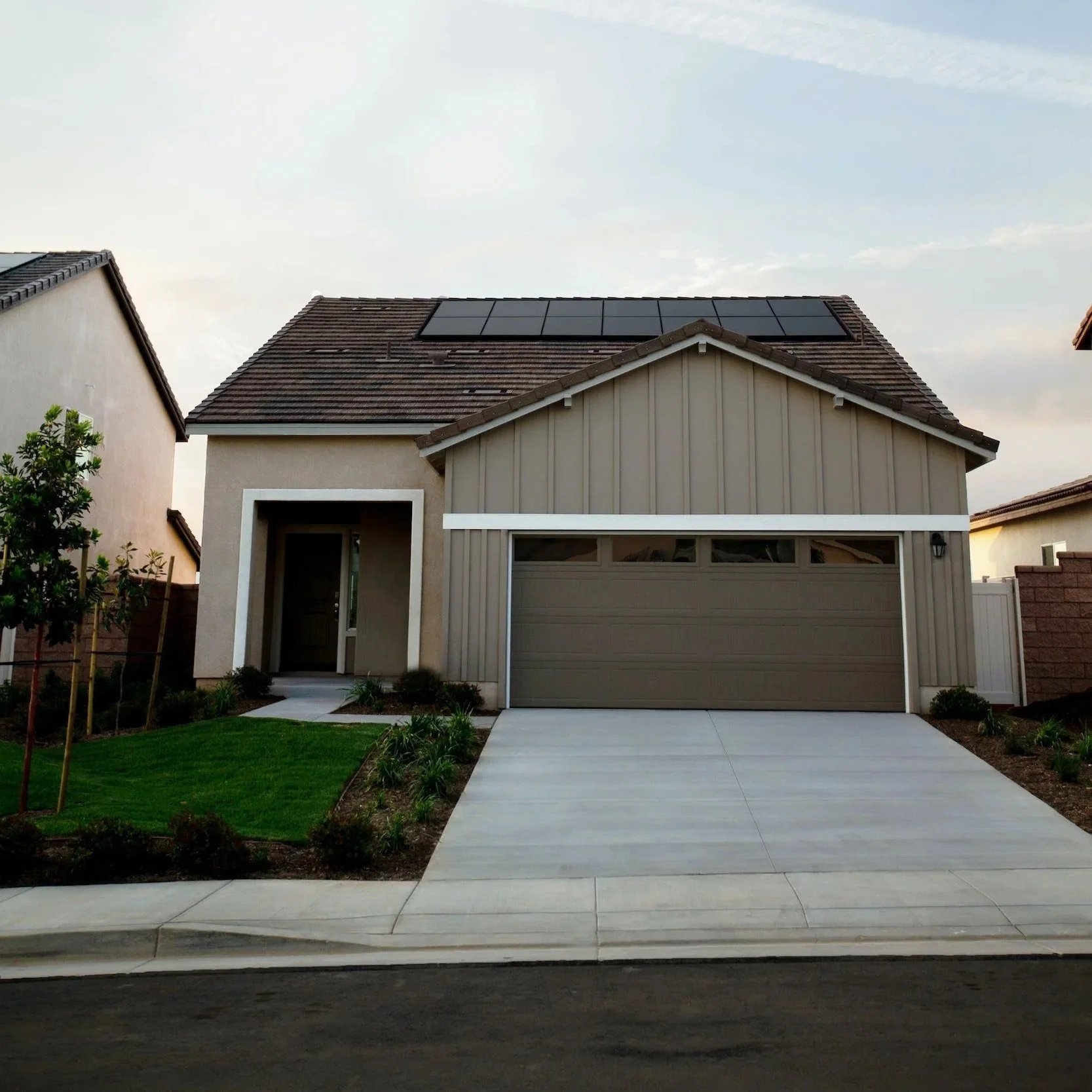
Most people use their garages as storage or working stations rather than as living spaces.
You parked outside again because the garage is full of stuff, and somewhere in that pile of boxes and bags something has already moved in. In Phoenix, AZ, a neglected garage is not just a storage problem. It is an active infestation waiting to reach your living space.
Garages in the Valley face year-round pest pressure from scorpions, cockroaches, rodents, black widows, and silverfish, all of which find exactly what they need in a typical cluttered Phoenix garage. Understanding why your garage is so attractive to Arizona pests is where real prevention begins.
That Gap Under Your Garage Door Is an Open Invitation
The space between your garage door and the driveway is one of the most consistently exploited pest entry points in Phoenix, AZ. Cockroaches, crickets, scorpions, and mice all fit through the clearance that most seals allow, particularly after weatherstripping degrades under Arizona's intense heat and UV exposure season after season.
Replacing a worn garage door bottom seal creates full contact across the entire door width and eliminates a primary entry route for the pests most likely to establish themselves in garage environments. The investment is minimal and the outcome is immediate for Valley homeowners who make this simple change before pest populations establish themselves indoors.
Side door gaps, wall penetrations for electrical conduit, and the junction between the garage wall and the concrete slab are secondary entry points that most homeowners overlook entirely. Caulking these areas and adding weatherstripping to any side doors removes the remaining structural vulnerabilities that allow Arizona's most persistent pests to enter even after the main door seal has been replaced.
Your Cardboard Boxes Are Someone Else's Dream Home
Cardboard is the preferred nesting and harborage material for a remarkable range of Phoenix, AZ, pests. Silverfish feed directly on cardboard and paper. Cockroaches use dense box stacks as protected daytime hiding zones. Scorpions shelter between stacked boxes and black widows build webs in the undisturbed spaces between stored items and walls.
The corrugated interior of cardboard retains moisture from humidity fluctuations, which attracts both moisture-seeking insects and the predators that follow them. A garage full of cardboard is actively providing food, moisture, and shelter to every pest species that manages to enter the space throughout the year.
Switching storage from cardboard to sealed plastic bins with locking lids eliminates both the food source and the harborage in one step. Moving bins onto shelving or overhead storage takes them off the floor, removing the ground-level habitat that makes Phoenix, AZ, garage floors so consistently hospitable to pest populations regardless of season or treatment history.
Scorpions Claim Your Garage Long Before You Notice Them
Arizona bark scorpions are the most venomous scorpion species in North America, and Phoenix, AZ, garages represent one of their preferred residential habitats. They hunt at night, shelter in dark and undisturbed spaces during the day, and climb smooth vertical surfaces with ease, making the typical garage interior ideal year-round real estate.
The connection between garage cricket populations and scorpion pressure is direct. Crickets are the primary food source for bark scorpions, and garages that harbor crickets actively attract and sustain scorpion activity in the same space. Reducing cricket harborage by eliminating ground-level debris and fixing any dripping water sources directly reduces the scorpion presence that follows.
Garages sharing a wall with block wall fencing face additional scorpion pressure because hollow block columns are a known scorpion congregation zone throughout the Valley. The gap between the block wall and the garage exterior is a travel corridor scorpions use regularly. Sealing it at the foundation level and treating the block wall as part of any professional program addresses the problem at its actual source.
Roof Rats Are Using Your Garage Ceiling as Their Private Runway
Roof rats are excellent climbers and Phoenix, AZ, garages are one of their most reliable structural access points. Overhanging citrus trees, palm fronds, utility lines, and vegetation contacting the roofline provide direct access to the garage exterior. Once on the roof, gaps at the eave line and around conduit penetrations allow entry into wall voids connecting to the garage.
A single roof rat inside a garage can go undetected for weeks while nesting in stored materials, contaminating food with droppings, and gnawing through electrical wiring and rubber insulation. Roof rat gnawing on garage wiring is a documented fire risk that makes early detection and exclusion work genuinely critical rather than optional.
Trimming every branch contacting the roofline, inspecting the eave and fascia for gaps, and adding wire mesh to identified penetration points removes the primary access route. Combining those structural steps with professional perimeter treatment and snap traps along interior wall edges produces the most reliable and lasting rodent control results across the Valley.
Pet Food on the Floor Is Rolling Out the Welcome Mat
Open bags of pet food stored on a garage floor are one of the most consistent attractants for every pest species common to Phoenix, AZ, garages. Rodents, cockroaches, and ants all respond to the scent of accessible dry food stored at ground level. Transferring pet food to sealed airtight containers removes the primary food signal immediately.
Trash cans stored in the garage with loosely fitting lids create the same problem. Organic food waste draws cockroaches and rodents toward the garage and sustains any population already established inside. A trash can emptied weekly but left uncovered between pickups is still broadcasting a reliable food signal to every pest in the surrounding area.
Cleaning spills promptly, wiping down shelves where food has been stored, and removing accumulated organic debris from corners and behind stored items reduces the food resource that sustains interior pest populations through the months when outdoor food becomes less available across the Phoenix Valley.
Monsoon Season Turns Every Moisture Problem Into a Pest Problem
Garages in Phoenix, AZ, collect moisture from sources most homeowners ignore. Air conditioning condensate migrating through shared walls, dripping garden hoses coiled on the floor, overwatered foundation plantings immediately outside the garage wall, and the humidity introduced through the main door during monsoon season all create the damp microenvironments cockroaches, silverfish, earwigs, and crickets require.
Monsoon season from July through September is when garage moisture problems become most acute across the Valley. The combination of high ambient humidity and intense heat drives pests toward cooler indoor environments, making August and September the peak window for garage infestation establishment throughout Phoenix, Chandler, Gilbert, and Mesa, AZ.
Addressing moisture before monsoon season arrives rather than after seeing pests produces consistently better outcomes. Fixing dripping hoses, adjusting irrigation heads overwatering the garage exterior, and running a dehumidifier in chronically humid spaces all reduce the moisture signal that tells pests your garage is worth moving into and staying in indefinitely.
Black Widows Have Claimed Every Corner You Haven't Touched
Black widow spiders are one of the most consistently present and genuinely dangerous pests in Phoenix, AZ, garages. They prefer dark, undisturbed spaces to build their low-profile webs, and garages provide exactly that environment in corners, behind shelving, beneath workbenches, and in gaps between rarely moved stored items throughout the year.
Black widow webs are irregular, messy, and strong, often built very close to ground level where accidental hand contact during maintenance is most likely. Reorganizing stored items regularly and wearing gloves when moving objects that have not been touched in weeks or months removes the conditions before a web and resident spider become established.
Regular sweeping of corners, behind stored items, and along baseboards disrupts web construction and the resident spider before contact risk becomes significant. Professional perimeter treatment as part of a Valley-wide pest control program provides a residual barrier that reduces black widow establishment in garages throughout the year, particularly valuable in garages adjacent to desert terrain or established block wall fencing.
Getting Your Garage Under Control Is a Project Worth Starting Now
If your Phoenix, AZ, garage has been accumulating clutter, the pest pressure building inside it is almost certainly already affecting the adjacent living spaces it connects to. Ignoring the garage while treating the rest of the home is like treating a headache while ignoring the source of the problem. The two spaces are directly connected.
Start this week with the basics. Pull items away from walls to inspect for webs and droppings. Replace cardboard with plastic. Check the door seal and caulk any visible gaps at the slab line. These steps cost very little and reduce the pest attractiveness of the space measurably before any professional treatment is applied.
Russell Pest Control has been serving Phoenix Valley homeowners since 1996 with licensed technicians who understand Arizona's garage pest species and the home sealing approaches that produce lasting results. We serve homeowners across Phoenix, Scottsdale, Mesa, Chandler, Gilbert, Glendale, Tempe, Peoria, and Surprise, AZ. No hidden fees, no pressure, and a free estimate on every inspection. Call us today.
