
Ants in Your Phoenix Home Won't Go Away on Their Own
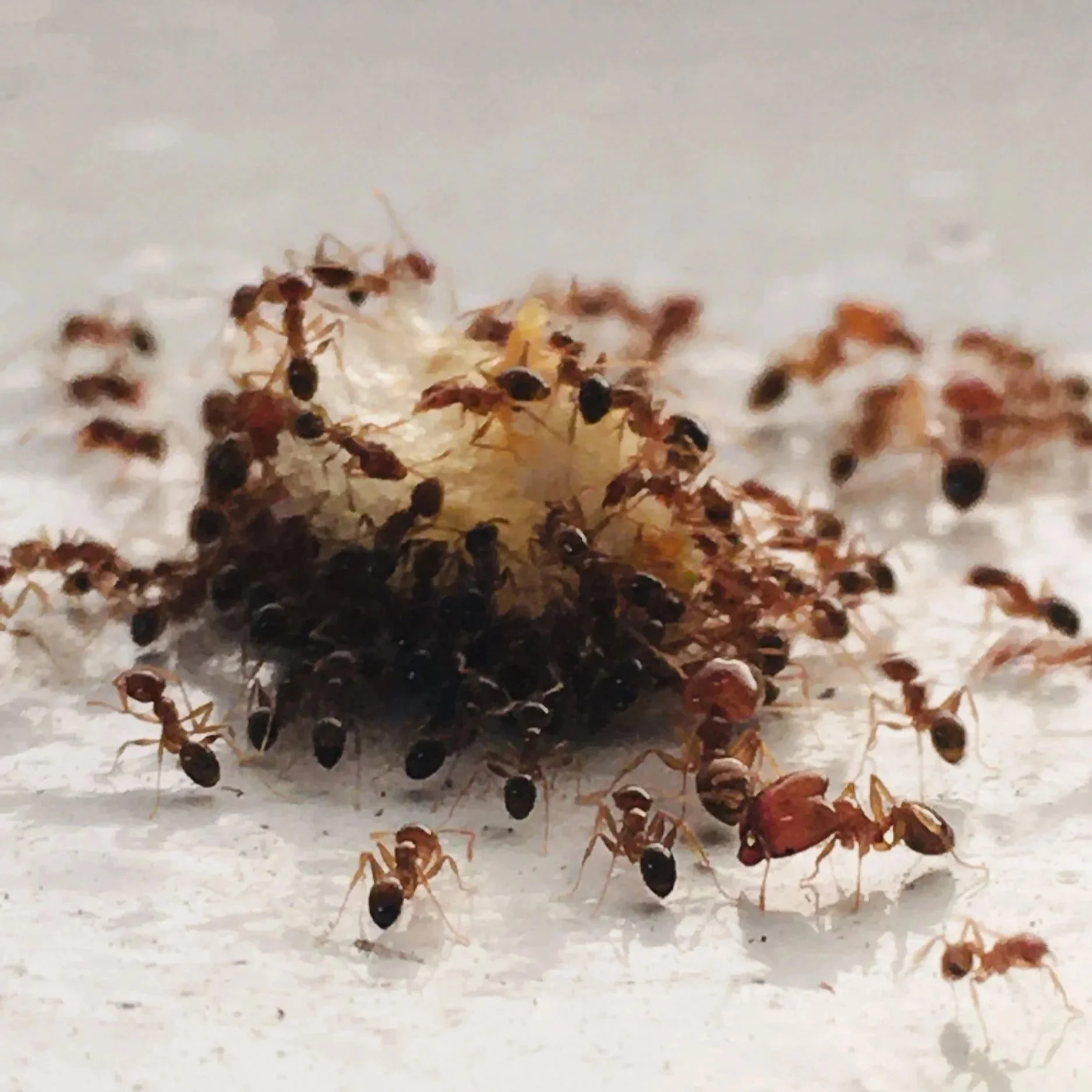
Pests are notorious for causing nuisance and damage in homes, and ants are no exception.
You sprayed the trail, cleaned every crumb off the counter, and they were back the next morning like nothing happened. That is not bad luck. That is what happens when the treatment addresses the symptom and not the colony, and it plays out in Phoenix, AZ, homes every single day.
Getting rid of an ant infestation in Arizona takes longer than most homeowners expect, costs more patience than most DIY products are worth, and requires a different approach depending on which of the Valley's many ant species you are actually dealing with. Here is an honest breakdown of what the process actually looks like.
Why Ant Infestations in Phoenix, AZ, Are Harder to Resolve Than They Look
Arizona's climate creates near-perfect conditions for ants to establish large, persistent colonies that are genuinely difficult to reach without professional tools and training. Phoenix, AZ, homeowners deal with year-round ant activity because the warm temperatures never deliver the hard freeze that reduces populations in cooler climates. Add monsoon season flooding that displaces outdoor nests each summer, and you have a cycle that pushes ants indoors repeatedly, often in greater numbers each time.
The deeper issue is colony structure. Most Arizona ant species maintain multiple satellite colonies connected to a central nest, and queen ants in some species can live up to 15 years and produce thousands of workers throughout that lifespan. Killing the ants you can see does not reach the queen, does not interrupt egg production, and does not eliminate the chemical trail network that guides the next wave of workers back into your kitchen. A professional approach targets the colony at every level, which is why the timeline and outcome look so different from anything available at a hardware store.
How Long Does It Actually Take to Get Rid of Ants Professionally?
The honest answer is that most Phoenix, AZ, homeowners see a meaningful reduction in ant activity within a few days of professional treatment, but complete elimination typically takes between two and eight weeks depending on the species, the size of the infestation, and whether the colony has established itself inside the structure or is nesting outdoors and foraging in. Carpenter ant infestations in wall voids can take longer because the colony is embedded inside the structure and requires more targeted access.
Multiple treatment visits are standard for established infestations, not a sign that something went wrong. Professional ant control in the Valley uses a combination of slow-acting gel baits, residual barrier treatments, and targeted nest applications that work on different timelines and serve different functions within the same treatment plan. The slow-acting bait specifically needs time to be carried back to the queen and shared through the colony's grooming behavior, which is how it reaches members that never contact the surface treatment at all. Rushing the timeline or skipping follow-up visits is consistently how infestations come back weeks after they appeared to have cleared.
Frequently Asked Questions
How do I know if I have an ant infestation or just a few wandering ants?
Seeing one or two ants occasionally may mean scouts are exploring. Finding consistent trails, noticing ants in multiple rooms, discovering them inside sealed food packaging, or spotting them after you've already cleaned are all signs of an established infestation that warrants professional inspection rather than a wait-and-see approach.
Does the type of ant affect how long treatment takes in Phoenix, AZ?
Significantly. Argentine ants form massive multi-queen colonies spanning large territories and take longer to eliminate because no single nest location contains the whole population. Odorous house ants nesting in wall voids require access points spray treatments cannot reach. Carpenter ants nesting in structural wood need nest identification before effective treatment can begin. Species identification is the first step every professional treatment should include.
Why do ants come back a few weeks after I treated on my own?
Over-the-counter contact sprays kill visible workers but trigger a pheromone alarm that causes the colony to split and relocate. The surviving population rebuilds in a slightly different area of the home, often deeper inside the structure than before. The chemical scent trail that guided workers to the food source also remains active until it is specifically neutralized, which draws the next wave of ants back along the same route.
Is professional ant treatment safe for children and pets in the home?
Licensed technicians apply products at concentrations and in locations calibrated for effectiveness against ants while minimizing exposure to household members. Most treatments require only brief ventilation of the treated areas. A reputable Phoenix, AZ, pest control company will tell you exactly what was applied, where, and what standard precautions to follow after treatment, without pressure or evasion.
What makes carpenter ant treatment different from treating other ant species?
Carpenter ants excavate wood to create nesting galleries rather than feeding on it, and those galleries are often located inside walls, soffits, and around moisture-damaged window frames or roof structures. Treatment requires locating the actual nesting site within the structure, which surface sprays never reach. In established infestations, the compromised wood may need to be addressed in addition to the colony itself.
How often should a Phoenix, AZ, home be treated for ants to stay ahead of the problem?
Most pest control professionals recommend quarterly exterior treatments for Phoenix, AZ, homes as a preventive baseline, with targeted interior treatment applied when activity is detected indoors. Arizona's monsoon season creates a reliable annual pressure window when outdoor colonies become displaced and move indoors, making late summer and early fall particularly important times for an active treatment program to be in place.
Can I get rid of an ant infestation without professional help?
For a very small number of wandering ants with no established indoor colony, careful sanitation, entry point sealing, and correctly placed bait can sometimes resolve the issue. For any infestation involving consistent trails, multiple rooms, structural species like carpenter ants, or aggressive species like fire ants, the DIY success rate in Phoenix, AZ, is low. The colony complexity and species diversity across the Valley make professional identification and targeted treatment the reliably effective path.
How do I know the treatment actually worked and the ants are gone for good?
Reduction in visible activity within the first week is a positive early indicator, but the more meaningful sign is the absence of new trails or scout activity over a four to six week window following the final treatment visit. A professional service should include follow-up inspection and guarantee retreatment at no charge if activity resumes within the warranty period, which is standard practice for reputable pest control companies in the Phoenix Valley.
What should I do between professional treatment visits to help the process along?
Avoid wiping up bait trails, spraying ant trails with household cleaners, or applying store-bought sprays in areas that have been treated. These actions disrupt the bait-sharing process that carries product back to the queen and can interfere with residual treatments. Maintaining clean counters, storing food in sealed containers, and fixing any plumbing drips or irrigation overwatering near the foundation all support the professional treatment without undermining it.
Why do some Phoenix, AZ, homes seem to have an ant problem every year no matter what?
Recurring annual ant problems in Valley homes almost always trace back to structural entry points that have never been addressed and landscape conditions that maintain consistent moisture and harborage close to the foundation. Argentine ant super-colonies in particular can span multiple neighboring properties, meaning pressure on your home continues even after your own colony is treated. A maintenance plan that includes exterior barrier application before peak monsoon season and follow-up treatment in fall addresses that recurring pressure before it reaches the interior again.
Stop Chasing Trails and Get to the Source With Russell Pest Control
If you have tried spraying, wiping, and waiting and the ants keep returning, the colony is the problem and it is not going anywhere on its own. Russell Pest Control has been serving homeowners across the Phoenix Valley since 1996, and our licensed technicians identify your specific ant species, locate the colony, and apply treatments that reach it rather than just the trail.
We serve Phoenix, Scottsdale, Mesa, Chandler, Gilbert, Glendale, Tempe, Peoria, and Surprise, AZ, with no contracts, no hidden fees, and free estimates on every inspection. Whether you're dealing with Argentine ant highways through the garage, odorous house ants under the sink, carpenter ant activity inside your walls, or fire ant mounds multiplying near the back fence after monsoon season, we treat what is actually driving the infestation.
Same-day service is available throughout the Valley because ant problems in Arizona's climate do not pause while you wait for an appointment. One call connects you with a Russell Pest Control technician who will tell you exactly what you're dealing with and how long it will realistically take to resolve it. Call today and get your kitchen, your yard, and your peace of mind back.
