
How Home Sealing Stops Insects From Invading Through Tiny Gaps
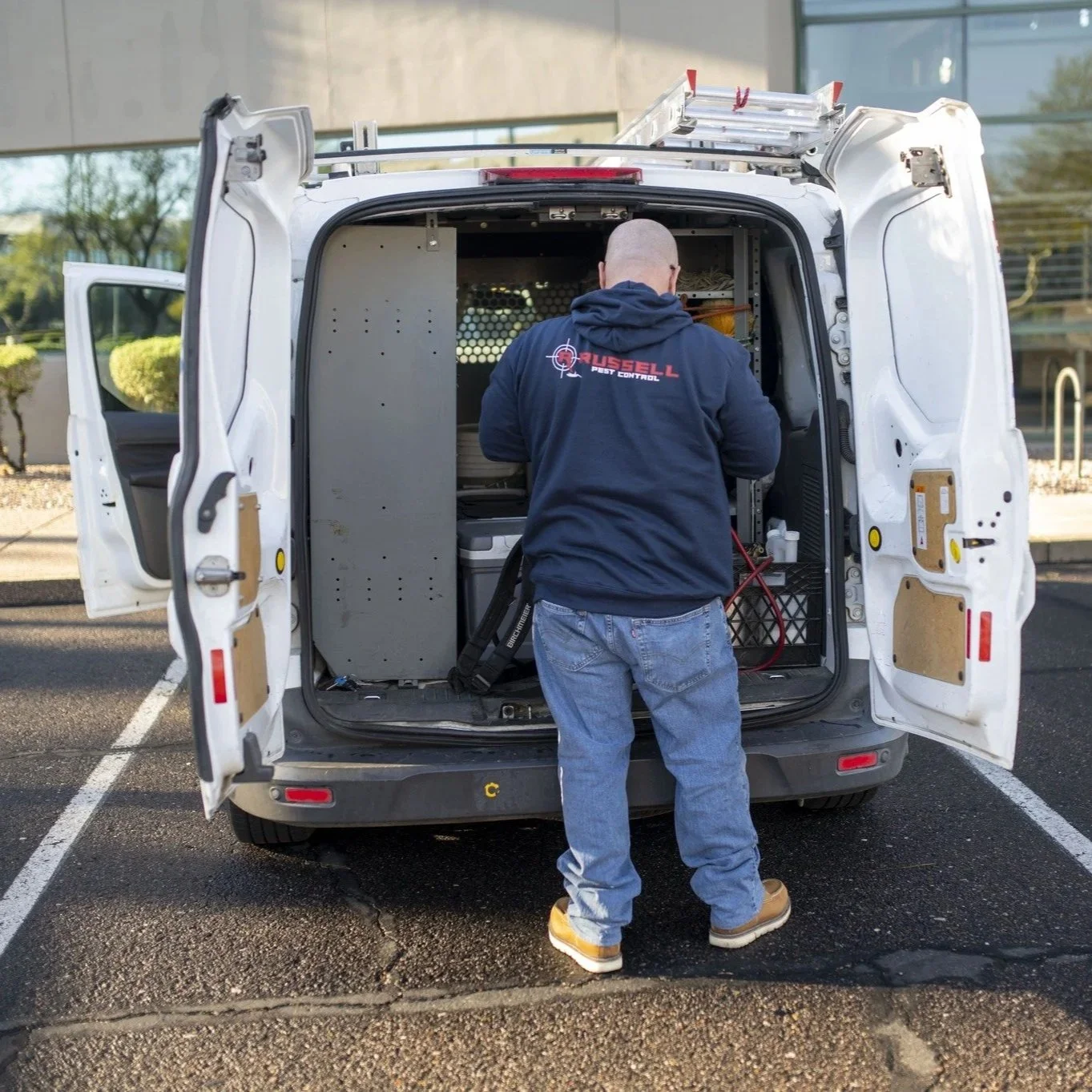
While it may seem like overkill to worry about a space no wider than a pencil, those slender entry points are exactly what pests look for.
Homes are full of charm, character, and—unfortunately—cracks. Tiny gaps in siding, weatherstripping, door frames, and utility openings are practically an open invitation for insects looking for warmth, moisture, or a midnight snack. While it may seem like overkill to worry about a space no wider than a pencil, those slender entry points are exactly what pests look for. Home sealing steps in to do the unsung work of keeping the interior safe, dry, and bug-free.
Small Gaps Make Big Invitations
Insects don’t need much space to start calling a place home. Ants squeeze through cracks in concrete. Spiders follow air currents under thresholds. Roaches exploit plumbing penetrations to cruise between rooms like unwanted tourists. A home can be spotless inside and still have steady pest activity if the exterior has not been sealed properly.
Once inside, pests do what they do best. They hide, breed, feed, and multiply. Suddenly, the occasional fly near the window turns into a more consistent buzz of activity. That quiet skitter across the floor no longer feels isolated. The difference between a single stray insect and an infestation often starts with a single overlooked gap.
Sealing Is About More Than Looks
Curb appeal might focus on landscaping and paint colors, but pest control starts with structure. Sealing gaps isn’t just a cosmetic upgrade—it’s a structural strategy. Caulk, expanding foam, door sweeps, and weather-resistant sealants create an invisible barrier between a comfortable indoor space and the unpredictable outdoors.
Home sealing keeps pests where they belong: out in the grass, under logs, or anywhere but inside the kitchen. It reduces the need for reactive treatments and makes proactive pest control more effective. With fewer access points, treatments last longer, bait stations perform better, and monitoring becomes simpler.
Seasonal Shifts Drive Insects Inside
Cooler months inspire insects to head indoors in search of warmth and food, while warmer seasons lure them inside in search of moisture and shade. Every seasonal transition brings new types of visitors to the doorstep. Without proper sealing, a home feels like an open buffet with perfect climate control.
Drafty gaps under doors or holes around pipework become thoroughfares for all kinds of pests, from millipedes to silverfish. Even winged insects like wasps and moths take advantage of poor sealing. They follow light, airflow, and scent trails straight into pantries, bathrooms, and basements.
Moisture And Airflow Work Against You
Insects don’t just want to be indoors—they want to follow the scent of damp wood, sugary spills, and comfortable humidity. Gaps around windows, vents, and siding allow moisture and air to escape. These subtle cues attract pests, drawing them closer until they find their way inside.
Home sealing reduces those signals. It prevents humid air from escaping crawlspaces, keeps cool air from leaking out during summer, and discourages insects from following the invisible trail to indoor comfort. It’s a passive but assertive defense against curiosity-driven intrusions.
Rodents Use Gaps Too
While sealing is a hero in the world of insect control, it also doubles as a rodent deterrent. Mice can squeeze through holes as small as a dime, while young rats manage even tighter squeezes. Once inside, rodents tear up insulation, chew on wiring, and leave droppings that pose a food safety risk.
Foam and mesh barriers, metal flashing, and sturdy door seals help close those entry points before rodents decide to explore. Combined with outdoor monitoring and routine inspections, sealing creates a perimeter that frustrates even the most persistent critters.
Energy Savings Add a Bonus Benefit
Home sealing keeps insects out, but it also keeps money in. By closing gaps around windows, doors, and crawlspace vents, homeowners reduce drafts and stabilize indoor temperatures. The HVAC system doesn’t have to work as hard, and monthly energy bills often show the difference.
In a way, sealing is the silent champion of both pest control and energy efficiency. It plays the long game—quietly maintaining a home’s comfort, integrity, and cleanliness without calling attention to itself.
Professionals Know Where To Look
DIY efforts can cover the obvious spots, but a professional sealing service dives deeper. Trained technicians know where insects like to slip through—whether it’s an expansion joint near the foundation or an overlooked attic vent. They use specialized materials that withstand weather, pests, and time.
Professionals also document weaknesses and offer advice on ongoing maintenance. They work hand in hand with pest control strategies to reduce reliance on chemicals and focus more on long-term exclusion. The result is a healthier home and fewer pests on the radar.
A Preventive Approach That Pays Off
Every home has quirks. Some have charming old windows, others have oddly placed utility panels, and a few have more entry points than a subway station. Sealing brings structure to the chaos. It fills the overlooked spaces and creates a cleaner, safer environment that requires less cleanup, fewer treatments, and fewer surprises.
For homeowners looking to improve pest control without relying entirely on traps and sprays, sealing offers an easy win. It’s quiet, noninvasive, and incredibly effective. Once the gaps are filled, insects have to work much harder to crash the party—and most of them give up.
Every Line of Caulk Is a Line of Defense
In the world of pest control, home sealing doesn’t shout for attention. It doesn’t buzz, crawl, or sting. But it works day and night to guard the walls, crevices, and corners that bugs dream about. And that’s worth appreciating—one tiny, sealed gap at a time.
Get monthly, bi-monthly, quarterly, bi-annually, and seasonal pest control services across Phoenix Valley with Russell Pest Control. We offer environmentally-friendly pest control solutions for fleas and ticks, mosquitoes and flies, rodents, mice, and rats, and weed control. Our team has all required state licenses and stays updated with all industry advancements. Connect with us for more information.
