
Earwigs in Your Phoenix Home Get Worse Every Monsoon Season
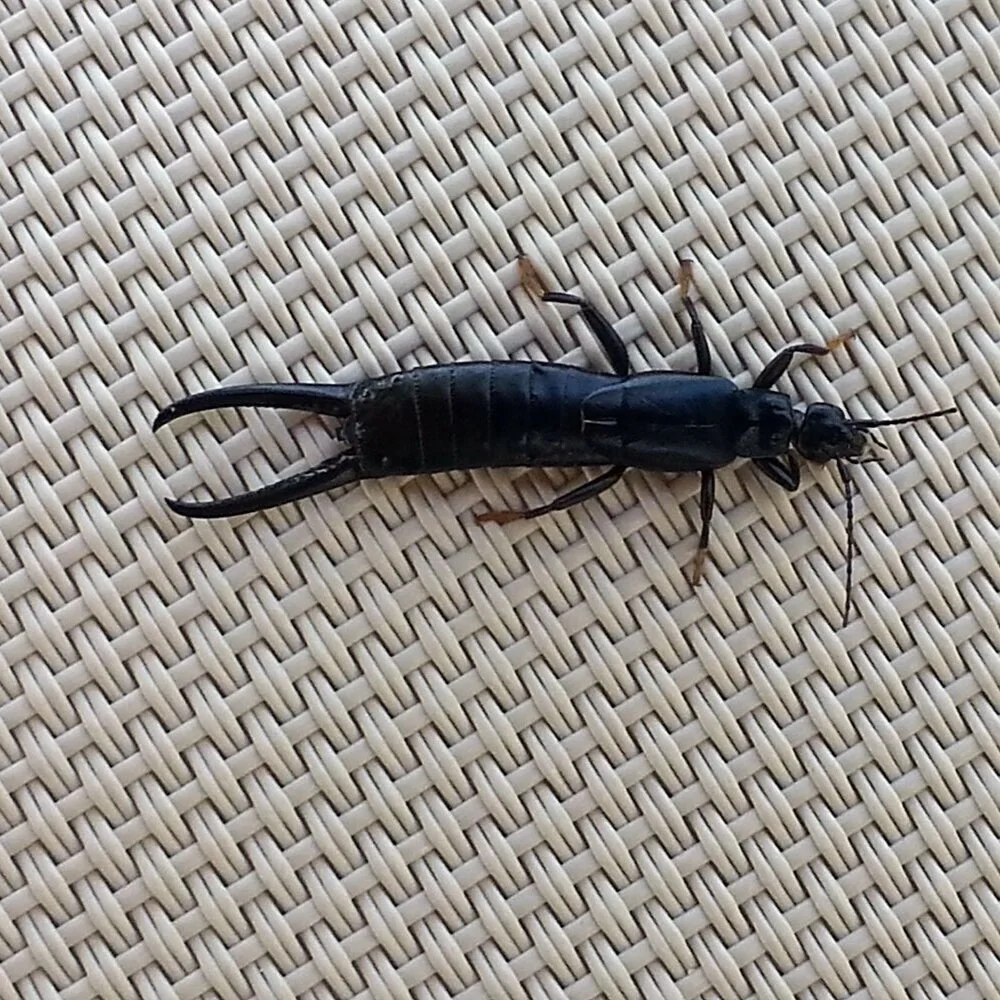
Photo by Greg Rothschild Photography
You spotted something dark and pincer-tailed skittering across your bathroom floor at night and your first instinct was completely reasonable. In Phoenix, AZ, earwig sightings are not random, and if you are seeing them inside, the conditions around your home are actively inviting them in.
Understanding what earwigs actually are, what draws them to Valley properties, and why monsoon season changes everything about how they behave gives you a real advantage over these pests rather than just reacting to each unwelcome appearance one at a time.
They Look Worse Than They Are, but That Does Not Mean Ignore Them
Earwigs, often called pincher bugs, are slender reddish-brown insects ranging from half an inch to just over an inch in length. The most distinctive feature is the pair of forceps-like pincers protruding from the rear of their abdomen, which looks threatening but is primarily used for defense and mating rather than attacking people or pets.
The legendary reputation earwigs carry comes from an old European myth claiming they crawl into ears while people sleep and burrow into the brain. There is no scientific basis for that story, and earwig behavior around humans is consistently avoidant rather than aggressive. Their pincers can produce a mild pinch if the insect is handled and startled, but the result is rarely more than a brief sensation and does not break skin or transmit venom.
What earwigs do represent practically is a signal about moisture conditions in and around a Phoenix, AZ, home. A single earwig in the bathroom is an isolated event. Finding them regularly in multiple rooms, particularly in kitchens, garages, laundry rooms, and around plumbing fixtures, points to a moisture or entry point problem worth addressing before a minor nuisance becomes a persistent infestation.
Arizona's Irrigated Yards Are Basically an Earwig Resort
Phoenix, AZ, appears inhospitable to moisture-dependent insects at first glance, but the irrigated landscapes common throughout Chandler, Mesa, Scottsdale, and Peoria, AZ, create exactly the damp, shaded microenvironments earwigs need to thrive. Drip systems, evening watering schedules, and thick mulch beds maintain soil moisture well into the night, turning desert yards into surprisingly welcoming habitat.
Earwigs are nocturnal and spend daylight hours pressed flat into the darkest, dampest spots they can find. Mulch beds within two feet of the foundation, the underside of decorative rock, flowerpot bases, woodpiles, and the shaded soil beneath dense shrubs are all prime daytime hiding spots. These locations are not only comfortable for earwigs but often directly adjacent to the foundation gaps and weatherstripping failures that allow them to move indoors after dark.
The food supply available in a typical Phoenix, AZ, yard is another major draw. Earwigs feed on decaying plant material, aphids, mites, and caterpillars, all of which are abundant in irrigated desert landscapes. A garden bed with active aphid activity is essentially both a restaurant and a shelter for earwigs simultaneously, which is why properties with lush foundation plantings consistently deal with higher earwig pressure than properties with minimal vegetation near the structure.
Why Monsoon Season Turns a Small Problem Into a Big One
Monsoon season in Phoenix, AZ, runs from June through September and delivers the precise combination of warmth and moisture that earwig populations need to multiply and expand. When monsoon rains saturate outdoor soil, earwig colonies that have been quietly living in the landscape grow rapidly and begin pressing outward in search of new shelter, food, and breeding sites.
Damp soil conditions after monsoon events are ideal for female earwigs laying eggs in protected ground-level locations. Nymphs develop quickly under Valley summer conditions, which means a population that was manageable in June can be dramatically larger by August without any obvious trigger visible to a homeowner. The surge that many Phoenix, AZ, homeowners notice indoors in late summer is the result of this outdoor population buildup reaching a density that pushes individuals through any available entry point into the cooler, damp interior of the home.
The specific areas most vulnerable during monsoon season in Glendale, Gilbert, and Surprise, AZ, are homes with older weatherstripping, concrete slab gaps along the foundation, and any exterior wall penetrations around utility lines that have not been sealed with appropriate caulk. Earwigs can flatten their bodies to fit through surprisingly small openings, and the pressure from a large outdoor population after heavy rains means any gap that might be irrelevant in dry months becomes an active entry route when populations peak.
The Rooms Inside Your Home That Attract Them Most
Once earwigs find their way inside a Phoenix, AZ, home, they navigate toward the areas that most closely replicate the damp, dark outdoor conditions they prefer. Bathrooms are consistently the most common indoor sighting location, particularly around the base of toilets, under sink cabinets, and near shower drains where chronic minor moisture keeps surfaces consistently damp.
Garages present a different kind of earwig habitat, particularly in Phoenix, AZ, homes where the garage doubles as storage for cardboard boxes, old papers, and yard materials. Earwigs are attracted to cellulose materials and will nest inside stacked cardboard, creating populations that grow undetected for extended periods before individuals start appearing in adjacent living spaces. A garage with both cardboard storage and any kind of drip or condensation issue is one of the highest-risk locations on any Valley property.
Laundry rooms, kitchen base cabinet interiors, and the spaces around refrigerator water line connections are also consistent earwig locations inside Phoenix homes. Any area that sees regular moisture, accumulates food debris, and does not receive frequent light exposure creates the right combination of conditions for earwigs to establish themselves and remain. Regular inspection of these specific areas, particularly following monsoon rains, is one of the most practical steps any homeowner can take before an infestation develops.
The Garden Damage Nobody Connects Back to Earwigs
Many Phoenix, AZ, homeowners discover irregular holes in leaves, damaged flower petals, and pockmarked soft fruits in their garden without ever identifying earwigs as the source. Earwig feeding damage creates a distinctive ragged-edge pattern in foliage that does not look like clean insect bites, which leads most gardeners to blame caterpillars, beetles, or slugs instead of investigating the actual culprit.
Vegetable gardens and flower beds with soft fruits like strawberries and berries are particularly vulnerable. Earwigs are active feeders after dark and can cause significant cosmetic and yield damage to a kitchen garden over the course of a single season without the homeowner ever witnessing the feeding directly. Finding earwigs in the garden is actually a partially ambiguous situation because they also prey on aphids and mites, which provides some pest control benefit alongside the plant feeding.
The practical threshold is population size. A small number of earwigs in a Phoenix, AZ, garden is unlikely to cause meaningful damage and may actually be doing useful work against other pest insects. A large population, particularly one that has also established itself indoors, tips the balance firmly into nuisance territory where the damage to plants and the psychological discomfort of indoor sightings outweighs any incidental pest control benefit they provide.
What Actually Works for Reducing Earwig Pressure Around Your Home
The most effective single step a Phoenix, AZ, homeowner can take to reduce earwig activity is managing the moisture conditions immediately surrounding the foundation. Adjusting irrigation schedules to water in the early morning rather than the evening reduces the overnight soil moisture that earwigs depend on, and fixing any drip system leaks or sprinkler heads that are over-saturating foundation plantings removes the consistent water source that supports large outdoor populations.
Clearing the two-to-three foot zone directly against the exterior walls of mulch, dense vegetation, and decorative wood materials eliminates the primary daytime harborage sites where earwigs concentrate before moving indoors after dark. Replacing organic mulch with decorative stone in that perimeter zone specifically reduces moisture retention and removes the food source of decaying organic matter that sustains outdoor colonies near the structure.
Sealing structural gaps is the mechanical step that prevents indoor migration regardless of what is happening in the yard. Replacing deteriorated weatherstripping under exterior doors, caulking around utility penetrations, and addressing any visible gaps where the slab meets exterior walls are all practical interventions that cut off the access routes earwigs use to enter Phoenix, AZ, homes. Combined with adjusted irrigation and cleared perimeter vegetation, these steps remove the conditions that make a home attractive to earwigs without requiring any chemical applications at all.
Still Finding Them After Everything You've Tried? Call Russell Pest Control
If earwigs are appearing indoors repeatedly despite your efforts to reduce moisture and seal entry points, the outdoor population density or a hidden moisture issue inside the structure is likely sustaining the problem beyond what visible prevention steps can address. Russell Pest Control has been serving Phoenix Valley homeowners since 1996, and our licensed technicians know exactly where earwig populations concentrate around Arizona properties and what treatments produce lasting results.
We offer monthly, bi-monthly, quarterly, bi-annual, and seasonal pest control programs across Phoenix, Scottsdale, Mesa, Chandler, Gilbert, Glendale, Tempe, Peoria, and Surprise, AZ, using environmentally responsible applications that target earwigs and the conditions sustaining them. Our approach treats the perimeter where populations live, not just the interior where individuals appear.
No hidden fees, no pressure, and no contracts you did not ask for. Every service begins with a free estimate and an honest conversation about what is driving the problem at your specific property. Contact Russell Pest Control today and stop waking up to something pincer-tailed crossing your bathroom floor.
