
Are Scorpions Dangerous in Phoenix
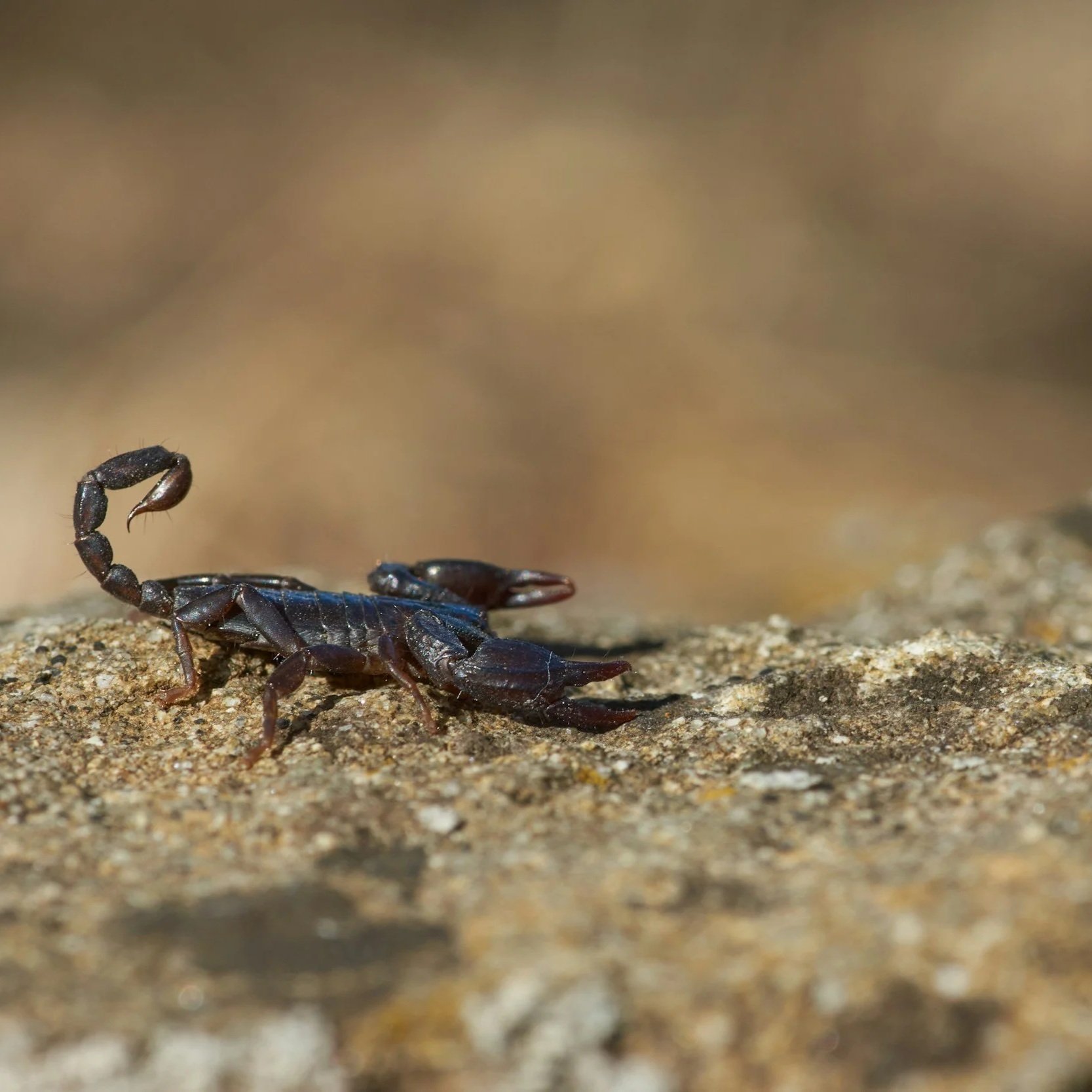
In Phoenix, AZ, that's not a hypothetical question, and the answer is more specific than the generic "most scorpions aren't deadly" line you've probably already read.
You found a scorpion in your house, and now you want to know exactly how worried you should be. In Phoenix, AZ, that's not a hypothetical question, and the answer is more specific than the generic "most scorpions aren't deadly" line you've probably already read.
Not All Scorpions in Phoenix Are Created Equal
Are scorpions dangerous in Phoenix? The answer depends almost entirely on which species you're dealing with. The Phoenix, AZ, area is home to several scorpion species, but one stands apart in terms of medical significance: the Arizona bark scorpion, known scientifically as Centruroides sculpturatus. The bark scorpion is the most venomous scorpion in North America, and the only species in the United States considered medically significant in healthy adults. It's smaller than people expect, typically one to three inches long, with a slender body and tail, and a yellow or tan coloring that makes it nearly invisible against concrete, stucco, and desert sand. Most Phoenix homeowners who've lived in the Valley for any length of time have encountered one, usually under the most inconvenient circumstances possible.
The other scorpion species present in the Phoenix area, including the giant hairy scorpion and the stripe-tailed scorpion, can deliver painful stings but are not considered medically dangerous to healthy adults. The giant hairy scorpion is the largest scorpion in North America and looks significantly more intimidating than the bark scorpion, which leads some homeowners to misidentify the more dangerous of the two. A bark scorpion sting is not the same experience as a sting from other local species. It delivers venom that affects the nervous system rather than causing localized tissue damage, and the symptoms can escalate quickly in vulnerable populations. Knowing which scorpion you're looking at is not academic. It determines how seriously you need to take an encounter.
What a Bark Scorpion Sting Actually Does
How dangerous is a bark scorpion sting in Phoenix? For most healthy adults, a bark scorpion sting causes intense pain at the sting site, numbness, tingling, and sometimes temporary dysfunction of the affected limb. The pain is often described as severe and electric, different in quality from a bee or wasp sting. Symptoms typically peak within the first few hours and can take 24 to 72 hours to fully resolve. The neurological symptoms, including muscle twitching, difficulty swallowing, and blurred vision, are what distinguish a bark scorpion sting from other insect stings and what make the species genuinely dangerous rather than just uncomfortable. For healthy adults without underlying conditions, the outcome is rarely life-threatening but is consistently described as a miserable experience.
The populations at real medical risk from bark scorpion stings in Phoenix, AZ, are children under five, elderly individuals, and people with compromised immune systems. Small children are at higher risk because their body weight relative to the venom dose is significantly lower than an adult's, and because they may not be able to clearly communicate their symptoms. Arizona Poison and Drug Information Center data consistently show that children account for a disproportionate share of serious scorpion sting outcomes in the state. If a child is stung by a scorpion in Phoenix, immediate medical evaluation is the right call, not a wait-and-see approach. The availability of antivenom at Arizona hospitals has dramatically changed outcomes for severe bark scorpion envenomations, but getting to appropriate care quickly matters.
Where Scorpions Hide in Phoenix Homes and Why They Keep Coming Back
Why do I keep finding scorpions in my house in Phoenix? If you're seeing scorpions inside your home regularly, it's not bad luck. Scorpions follow food, moisture, and structural access. Bark scorpions eat insects, so homes with established cricket, cockroach, or spider populations give scorpions a reason to stay. Scorpions require very little water but are attracted to moisture sources, which is why they frequently appear in bathrooms, under sinks, in laundry rooms, and near HVAC drain lines. They enter homes through gaps that most homeowners would consider too small to matter. A bark scorpion can fit through a gap the width of a credit card, which means standard weatherstripping in poor condition, weep holes in brick exteriors, and gaps around utility penetrations are all common entry points.
Scorpions are also climbers, which is a fact that surprises Phoenix, AZ, homeowners who assume they stay at ground level. Bark scorpions climb walls, traverse ceilings, and are regularly found in upper kitchen cabinets, on curtain rods, and on ceiling surfaces. They fall from above onto beds and countertops, which is how many scorpion stings in Phoenix occur, through incidental contact in low-light conditions rather than intentional encounters. Homeowners who focus pest control efforts only at ground level and baseboards miss the harborage areas where scorpions actually spend most of their time during daylight hours: inside wall voids, behind stored boxes in garages, under loose bark mulch in the yard, and inside block walls or brick borders near the home's exterior.
What Actually Works for Scorpion Control in Phoenix
Is there pest control that actually works for scorpions in Phoenix? Yes, but it requires a different approach than general pest control. The products most commonly used for ants and cockroaches, including many synthetic pyrethroids, are less effective at killing scorpions directly because scorpions do not groom themselves the way insects do, which reduces the transfer exposure that makes residual products so effective against six-legged pests. Effective scorpion control in Phoenix, AZ, relies on a combination of reducing their food source through general pest control, applying product in the specific locations scorpions travel and harbor, and conducting black light inspections at night to locate and directly treat active scorpions.
The black light inspection is the piece of the puzzle that most homeowners don't know about, and most general pest control programs don't include it. Scorpions fluoresce under UV light, making them visible at night in locations where daytime inspection would miss them entirely. A technician with a black light can walk the perimeter of your property and the interior of your garage and quickly identify scorpion presence, nesting locations, and entry routes that daytime inspection cannot reveal. Homes with persistent scorpion problems in Phoenix, AZ, typically need monthly service that integrates black light inspection with targeted product application at harborage sites and consistent exterior barrier treatment to reduce the insect prey population that gives scorpions a reason to stay. Scorpion control is a sustained effort, not a single treatment event.
FAQs
What should I do immediately after a scorpion sting in Phoenix?
If stung by a scorpion in Phoenix, AZ, remain calm and try to identify or photograph the scorpion if it is safe to do so. Wash the sting site with soap and water and apply a cool compress to reduce discomfort. Call the Arizona Poison and Drug Information Center at 1-800-222-1222 for guidance on whether a medical evaluation is needed based on your symptoms. If the sting victim is a child under five, an elderly person, or someone with a compromised immune system, go to an emergency room immediately rather than monitoring symptoms at home. Antivenom is available at Arizona hospitals for severe bark scorpion envenomations.
How do I know if the scorpion in my house is dangerous?
The most dangerous scorpion in Phoenix, AZ, is the Arizona bark scorpion, which is small, slender, and yellow to tan in color with a thin tail. It is often found on vertical surfaces and ceilings rather than on the floor. If you are unsure of the species, treat the encounter seriously until it is identified. A pest control professional familiar with Phoenix species can help identify what you are seeing and explain the level of risk inside your home.
Does pest control actually reduce scorpion activity inside my home?
Consistent pest control does significantly reduce scorpion activity in Phoenix, AZ, homes, but it works best as an ongoing program rather than a one-time treatment. Monthly service that combines exterior barrier treatment, insect control to reduce the scorpion’s food supply, targeted harborage treatment, and periodic black light inspections produces measurable results over time. While no service eliminates scorpions completely, consistent treatment makes your home far less attractive to them.
How do scorpions get into houses in Phoenix?
Bark scorpions enter Phoenix, AZ, homes through small gaps that are easy to overlook. Common entry points include weep holes in brick exteriors, gaps around pipes and wiring, worn door seals, garage door gaps, and openings near the roofline. Because they can fit through very small spaces, effective prevention often involves sealing entry points, reducing outdoor lighting that attracts insects, and maintaining a consistent pest control program.
Russell Pest Control offers professional residential pest control services tailored to the customer’s needs across Phoenix Valley. Whether you need Africanized bee removal, spider control, or scorpion control, our licensed, experienced, and trustworthy technicians adopt an eco-conscious approach to minimize environmental impact. No hidden fees or gimmicks. Contact us today for a free estimate.
