
When Pigeon Control Becomes a Property-Wide Health Issue
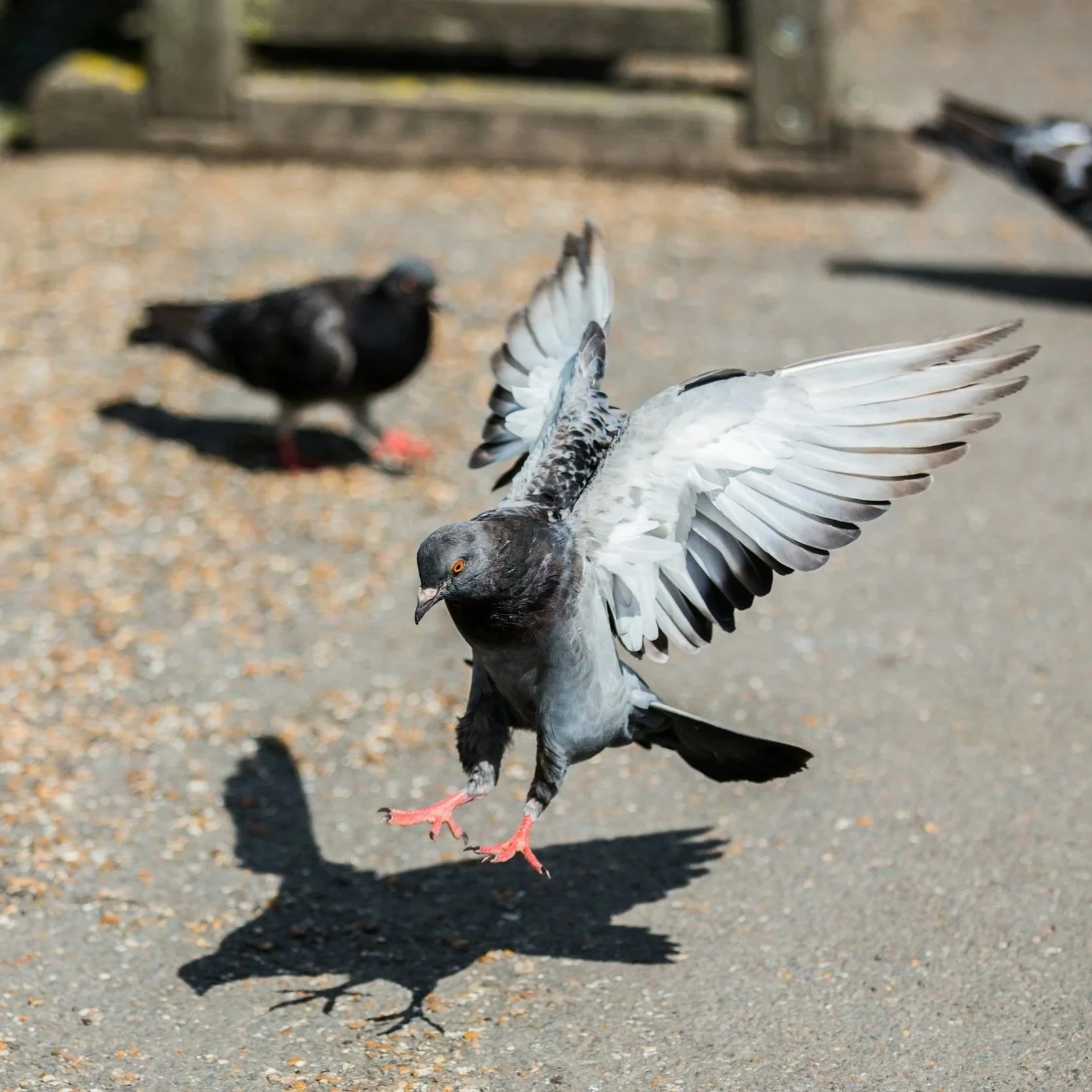
Pigeon infestations quietly grow into full-scale health concerns, impacting building safety, tenant comfort, and the reputation of any business under that shared roof.
Pigeons may be common city dwellers, but they are far from harmless neighbors. Once they settle into commercial properties, they create more than a visual nuisance. Pigeon infestations quietly grow into full-scale health concerns, impacting building safety, tenant comfort, and the reputation of any business under that shared roof.
They might strut like they own the place, but when pigeons start cooing from rooftops, ledges, and HVAC units, it’s not just noise pollution. It’s a warning sign. Property-wide pest control becomes more than a matter of aesthetics—it becomes a vital part of maintaining public health and facility integrity.
Droppings Accumulate Faster Than You Think
One pigeon won’t ruin a roof, but flocks of them create a mess with surprising speed. Droppings coat surfaces, corrode materials, and make walkways slick and hazardous. And those droppings don’t just vanish with the next rain. They cake onto ledges, windowsills, parking structures, and ventilation units, breaking down surfaces with acidic compounds and creating long-term damage.
When left unattended, the buildup spreads—first to entryways, then to signage, then into common areas where foot traffic carries debris indoors. Property managers may notice staining, odors, or growing tenant and visitor complaints. Before long, the presence of pigeons becomes impossible to ignore, even for those who thought birds were the least of their worries.
HVAC Contamination Becomes Inevitable
Pigeons love perching near warm surfaces and tucked-away mechanical equipment. Commercial HVAC systems make the perfect hideaway. As they roost around vents and intake fans, droppings and nesting materials fall into airflow pathways. Contaminants don’t stay isolated—they get pulled into ductwork and distributed throughout the building.
Indoor air quality suffers when organic material begins to decay near critical systems. Odors follow. Bacteria and fungal spores travel in the breeze, triggering allergy symptoms and respiratory irritation for anyone inside. The very system meant to regulate comfort becomes a channel for discomfort, all courtesy of a few too many birds settling on the wrong rooftop.
Nesting Materials Introduce Other Pests
Pigeon nests are never tidy. They’re woven from twigs, feathers, bits of trash, and whatever loose material the birds can find nearby. These nests not only block drainage and ventilation systems—they create microhabitats for mites, lice, and beetles. As nests grow and the population multiplies, secondary infestations often emerge in the wake of the birds.
Crawling insects may move indoors, especially as cooler weather drives them to seek warmth. Feather mites become a nuisance in workspaces, triggering rashes and discomfort. Suddenly, the original pigeon problem has evolved into a pest control challenge with multiple fronts, from the roof to the breakroom.
Slip Hazards Raise Liability Concerns
When droppings coat sidewalks and stairwells, foot traffic becomes risky business. Wet pigeon waste has the same slippery qualities as algae or moss, making high-traffic areas treacherous after even a drizzle. In multi-tenant properties or retail centers, that’s a liability issue waiting to happen.
Insurance claims and injury reports are the last things any property manager wants to deal with. But without proper pigeon control, those risks increase every time birds nest near customer or employee access points. A little prevention avoids a whole lot of paperwork.
Damage to Building Materials Adds Up
Uric acid in pigeon waste slowly eats through stone, concrete, wood, and metal. Roof coatings blister. Paint fades. Corrosion appears in places that used to sparkle. Over time, maintenance costs balloon as repairs stack up across rooftops, ledges, HVAC units, and decorative fixtures.
Bird droppings left on signage and entryways do more than just stain—they lower curb appeal and can turn off potential tenants or customers before they even walk in. For property owners focused on long-term value, ignoring pigeons becomes an expensive oversight.
Reputation Takes a Hit
No business wants to be known as the place where pigeons rule the roost. Dirty windows, streaked walkways, and bird noise near entry doors quickly undermine professional appearances. For retail stores, that visual impression may be the difference between a new customer walking in or walking away.
The longer pigeons hang around, the more their presence becomes part of the property’s identity. Tenants may express concern. Visitors may mention the smell. A few negative online reviews about unsanitary conditions can spread faster than the droppings themselves. In a competitive market, image matters—and pigeons don’t exactly scream “clean, safe, and professional.”
Professional Intervention Brings Long-Term Relief
Pigeon control requires more than a broom and wishful thinking. Professionals assess the property from top to bottom, looking for roosting sites, nesting areas, and access points. Once the activity is mapped, a combination of deterrents, sanitation, and physical exclusion methods is used.
Solutions may involve installing bird spikes on ledges, applying safe repellents, sealing access points to eaves and vents, and performing deep cleaning in contaminated areas. Each property calls for a custom approach, especially when balancing aesthetics, structural materials, and tenant needs. Once control is reestablished, maintenance visits keep things in check—because pigeons are nothing if not persistent.
Staying Ahead of the Mess
A few birds on the roof might not seem like a crisis, but waiting too long can let a small problem morph into a costly cleanup and repair campaign. Buildings that stay ahead of infestations avoid the wear, health complaints, and reputational damage that come with unchecked pigeon activity.
Commercial properties benefit most when pigeon control is part of an integrated pest management plan. It’s not just about chasing birds—it’s about preserving indoor air quality, reducing liability, protecting physical assets, and maintaining a space that feels clean and welcoming for everyone who enters.
When birds take over, buildings lose more than just good looks. But with the right approach, even the most determined pigeons learn to move on, leaving the property—and its reputation—in far better shape.
Get customized home seal and pigeon removal and control solutions in Phoenix Valley with Russell Pest Control. Our licensed team will seal your outdoors, indoors, and doorways to restrict pests and insects. We offer trapping, clean-up, and prevention to rid your home of pigeons. Trust our decades of expertise and strong community connection, which ensures that you get the best results. Call for a free estimate today.
