
Tips To Avoid Pest Control Scammers
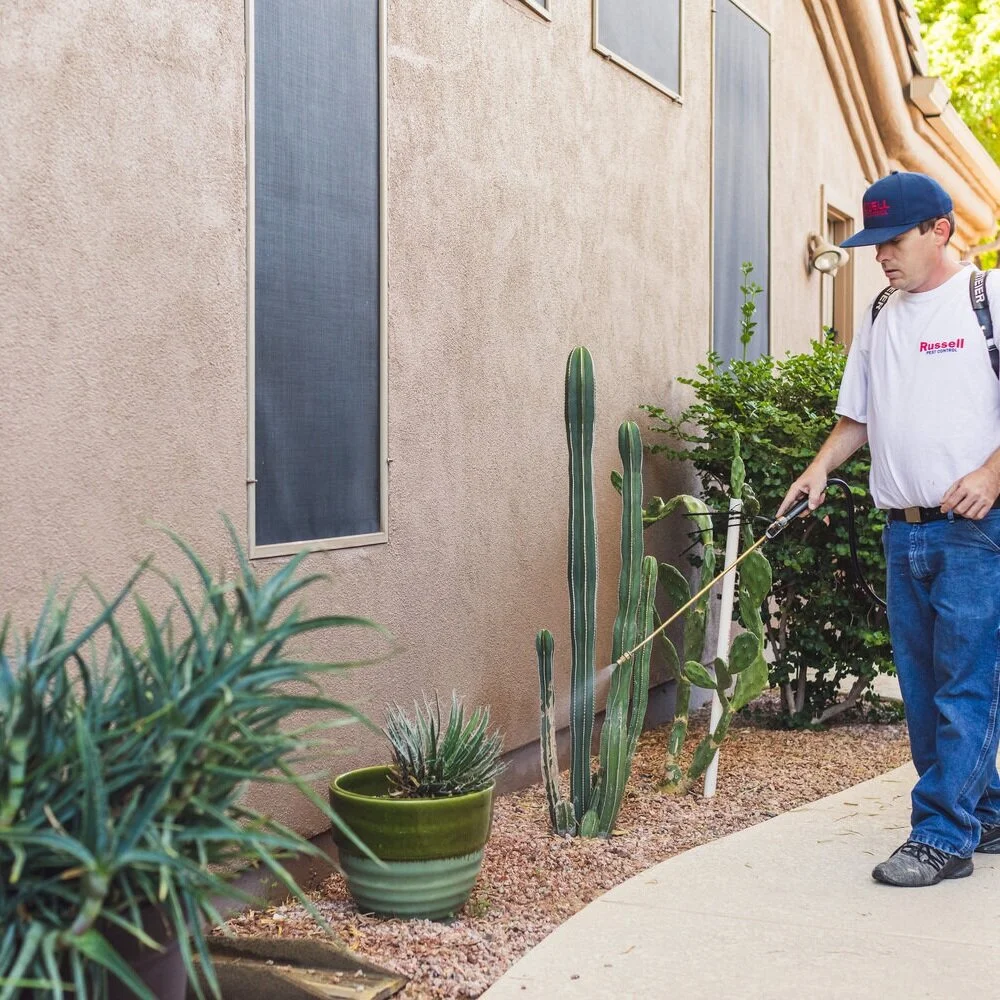
The wrong treatment applied by an unqualified technician can make an infestation worse, leave harmful chemicals improperly applied around your living space, and cause damage that costs far more to fix than the original pest problem.
Phoenix homeowners are a frequent target for pest control scams. The Valley's year-round pest activity means there's always demand for exterminators, and that demand attracts bad actors — unlicensed operators, fly-by-night companies, and high-pressure salespeople who disappear the moment they have your money.
Knowing how to separate a legitimate pest control company from a scam isn't just about saving money. It's about protecting your home, your family, and your health. The wrong treatment applied by an unqualified technician can make an infestation worse, leave harmful chemicals improperly applied around your living space, and cause damage that costs far more to fix than the original pest problem.
Here's what to look for — and what to watch out for.
Verify the License Before Anything Else
In Arizona, pest control is a licensed profession. Both the company and the individual technicians applying treatments are required to hold valid licenses issued through the Arizona Office of Pest Management (OPM). Getting licensed isn't a formality — it requires passing rigorous pesticide certification courses, meeting on-the-job prerequisites, and demonstrating knowledge of safe and lawful chemical application.
An unlicensed operator may not understand legal pesticide use limits, proper application rates, or which chemicals are safe to use around children and pets. Beyond the risk to your household, unlicensed pest control is illegal in Arizona — and if something goes wrong, you have very little recourse.
What to do: Before hiring any pest control company, verify their license on the Arizona OPM website. You can search by business name or the company's 4–7 digit license number. If the result shows "Active," they're legitimate. If they can't provide a license number or the search comes up empty, walk away.
Don't Confuse a Website With Experience
Any company can build a professional-looking website in an afternoon. Polished branding, stock photos of technicians in uniforms, and a list of services don't tell you anything about whether the people showing up at your door actually know what they're doing.
Phoenix pest control has a learning curve. The Valley has species and pest behaviors that don't exist in most of the country — bark scorpions, Africanized bees, roof rats, desert subterranean termites, and monsoon-driven pest surges that can change activity patterns overnight. A technician who learned pest control in a different state or climate doesn't automatically have the experience to handle what's common here.
What to do: Ask how long the company has been operating specifically in the Phoenix Valley. Check Google and Yelp reviews — not just the star rating, but the content of the reviews. Look for mentions of specific technicians, consistent service quality, and how the company handles problems when they arise. A company with hundreds of detailed, positive local reviews over many years is a very different proposition from one with a handful of generic five-star ratings.
Also ask about certifications and when technicians were last recertified. Arizona pest control certifications cover specific areas including advanced termite control, insecticide applications, mosquito biology, fumigation, and proper protective equipment use. A legitimate company keeps its technicians current. If they can't tell you when their last recertification was, that's a red flag.
Watch Out for High-Pressure Sales Tactics
A common scam in the pest control industry involves door-to-door salespeople who create urgency around a pest problem — sometimes one that doesn't actually exist or is far less severe than they're claiming — to push you into signing a contract on the spot.
Tactics to watch for include:
Claiming they "just treated your neighbor's home" and spotted signs of infestation on your property
Offering a drastically discounted rate that's only available if you sign today
Refusing to provide a written estimate before starting work
Pressuring you to make a decision before you've had time to verify their credentials or get a second opinion
A legitimate pest control company doesn't need to pressure you. They'll give you time to review an estimate, answer your questions, and make a decision you're comfortable with.
Read the Contract — All of It
Some pest control companies operate legally and maintain proper licensing but still use predatory contract practices to lock homeowners into agreements that are difficult and expensive to exit.
Watch out for:
Long-term contracts with steep early termination fees. A one or two-year contract with a $150–$300 cancellation fee is designed to keep you paying even if the service is poor.
Automatic renewal clauses buried in fine print. Some contracts renew automatically for another year unless you cancel within a very specific window.
Vague service descriptions. If the contract doesn't clearly spell out what's included in each visit, what pests are covered, and what happens if the problem persists, you have no protection if the service underdelivers.
A trustworthy company offers transparent, upfront pricing with no hidden fees. If they do use service agreements, they should be straightforward, month-to-month or with a reasonable cancellation policy, and easy to understand without a lawyer.
Be Skeptical of Unusually Low Prices
If a quote comes in dramatically lower than everyone else, it's worth asking why. Some scam operators low-ball the initial price to win the job, then add fees once they're in your home. Others cut costs by using inferior or improperly diluted products that don't actually solve the problem — guaranteeing you'll need repeat treatments.
Pest control pricing should be competitive but reasonable. Getting two or three quotes from established local companies gives you a realistic baseline for what proper service actually costs in the Phoenix market.
What a Legitimate Pest Control Company Looks Like
To summarize, here's what you should expect from a reputable pest control provider in Phoenix:
An active Arizona OPM license for both the company and its technicians
Verifiable years of experience operating in the Valley
Up-to-date technician certifications in relevant pest control disciplines
Clear, written estimates with no hidden fees
Straightforward service agreements with no predatory cancellation terms
Strong local reviews with consistent, specific feedback
Willingness to answer questions and give you time to decide
An eco-conscious approach that uses targeted treatments rather than blanket chemical application
Russell Pest Control: Licensed, Local, and Transparent Since 1996
Russell Pest Control has been serving Phoenix Valley homeowners for the last 30 years. We are fully licensed through the Arizona Office of Pest Management (License #I5321B), and every technician on our team holds the required certifications and stays current with ongoing training.
We don't do contracts, hidden fees, or high-pressure sales. Every estimate is free, every service is clearly explained, and our pricing is straightforward from the start. When you call Russell, you'll know exactly what you're getting and what it costs.
If you want pest control from a company that's been earning trust in the Phoenix Valley for decades, call us at (623) 469-7583 or request a free quote online.
