
The Impact of Rodents and Insects on Health Code Compliance
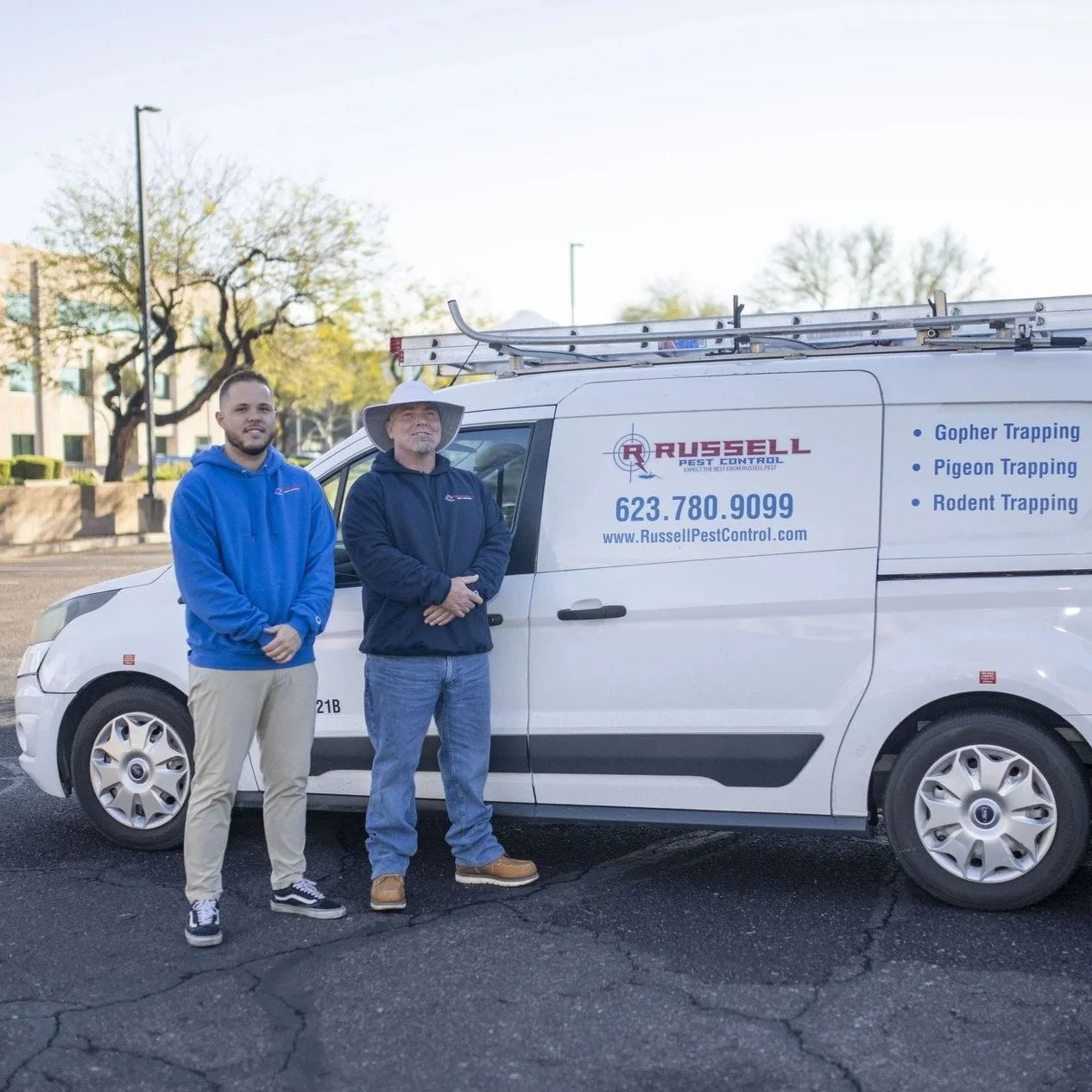
Rodents and insects don't read warning signs or check in at the front desk.
In the fast-paced world of commercial businesses, few things threaten a clean record like a failed health inspection. Rodents and insects don't read warning signs or check in at the front desk. They sneak in unnoticed, turn cozy corners into nests, and before long, they're putting an entire operation at risk. Health code compliance depends heavily on controlling these tiny rule-breakers, and it doesn't take much for a few droppings or insect sightings to snowball into serious violations.
Health Codes Leave No Room For Pest Activity
Health regulations aren't just guidelines—they're strict mandates designed to protect public safety. Restaurants, grocery stores, and food-handling businesses operate under especially sharp scrutiny. The presence of pests in or around any facility poses a risk to both the public and the business. Even a single sign of rodent activity or insect infestation can trigger an immediate inspection failure, sometimes followed by fines, shutdowns, or required remediation.
Flies buzzing near food prep areas, cockroach shells behind equipment, rodent droppings under shelves—all of it qualifies as a direct violation. Inspectors aren't just looking for pests themselves; they watch for the conditions that attract them. Cluttered storage, food debris, standing water, and improper waste handling can all invite trouble.
Rodents Leave Behind More Than Droppings
Rodents are notorious for slipping through tiny openings, chewing their way through storage, and leaving behind some truly unwelcome surprises. Their droppings and urine contaminate surfaces, and their constant gnawing can damage packaging, insulation, and electrical wiring. In commercial kitchens or storage rooms, a single rodent can cause a domino effect of code violations.
Rodents don't just bring mess—they also introduce health risks. They carry bacteria and viruses that can transfer to food and food-contact surfaces. Salmonella, hantavirus, and leptospirosis are just a few of the potential hazards they bring along. Once rodent activity is detected, compliance becomes a ticking clock.
Insects Bring Their Own Set Of Issues
Insects may be smaller, but they're just as troublesome. Cockroaches, in particular, are unwelcome guests in any food-handling environment. Their flattened bodies allow them to squeeze into cracks and crevices, often inhabiting drains, behind baseboards, or under appliances. They're nocturnal, making them hard to spot during working hours, but inspectors know where to look.
Flies are another common problem in commercial spaces. Beyond being a nuisance, they land on food and surfaces after visiting trash, drains, or other contaminated areas. They carry bacteria on their legs and bodies, spreading contamination with each touch. Fruit flies, house flies, and drain flies all have different habits, but they share one thing in common: they're a red flag to inspectors.
Stored product pests, such as beetles and moths, also pose significant issues for retail locations and food distributors. Even small infestations can result in the disposal of large amounts of product and immediate attention from health authorities.
Violations Add Up Fast
When pests are present, they rarely cause just one problem. A rodent infestation might lead to contaminated inventory, structural damage, and poor sanitation scores. Insects may indicate deeper moisture issues or neglected cleaning protocols. Health inspectors take a comprehensive approach, marking violations not only for pests but also for the factors that contributed to them in the first place.
Multiple minor violations can add up to a major one. Repeat problems lead to increased scrutiny, more frequent inspections, and possible licensing concerns. Health departments take public safety seriously, and pest issues are never taken lightly.
Consistency Keeps Standards High
Regular commercial pest control plays a behind-the-scenes role in supporting compliance. Professionals tailor their services to the unique needs of each business, creating proactive strategies rather than reactive fixes. Scheduled inspections, targeted treatments, and sanitation recommendations help remove the conditions that attract pests before they cause trouble.
Routine monitoring also helps document a business's ongoing commitment to health standards. When a health inspector shows up, a clean log of pest control visits, inspection notes, and treatment records demonstrates responsibility and accountability. It's not just about being pest-free—it's about demonstrating that the business maintains that status intentionally.
Storage And Sanitation Matter
One of the fastest ways to invite pest problems is poor storage and cleaning habits. Cardboard boxes left on the floor, forgotten crumbs under shelving, or leaking sinks are all welcome signs to pests. Rodents see cardboard as a chewable shelter. Roaches appreciate dark, damp areas behind equipment. Flies are attracted to spills and food residue by their scent.
Pest control professionals often help identify these problem areas during their service visits. They offer practical suggestions that go hand-in-hand with health code compliance, making it easier to stay one step ahead of both pests and inspectors.
Pest-Free Means Business-Ready
In commercial spaces, especially thosein the food service industry, pest control is never an afterthought. It's part of the infrastructure, like HVAC or plumbing. Although it may not be flashy or visible, it plays a substantial role in daily operations. When it works well, nobody notices. When it slips, everything can come to a grinding halt.
Maintaining health code compliance requires diligence, especially in busy environments with high staff turnover, heavy customer traffic, and frequent deliveries. Regular pest control makes it easier to maintain consistency. Fewer surprises, fewer violations, and a whole lot less stress come inspection day.
A Smooth Operation Starts With Prevention
Rodents and insects don't follow the rules, but businesses must. Health code compliance isn't just a box to check—it's the foundation of a trusted reputation. Commercial pest control helps maintain that foundation by targeting the unseen threats that can unravel even the best-run operations.
By investing in regular service, staying ahead of pest activity, and maintaining clean, well-organized environments, commercial spaces can operate with confidence. No stress over surprise inspections. No last-minute scrambles. Just steady, reliable peace of mind—and a healthy business from the ground up.
Get monthly, bi-monthly, quarterly, bi-annually, and seasonal pest control services across Phoenix Valley with Russell Pest Control. We offer environmentally-friendly pest control solutions for fleas and ticks, mosquitoes and flies, rodents, mice, and rats, and weed control. Our team has all required state licenses and stays updated with all industry advancements. Connect with us for more information.
