
Termite Identification, Treatment, and Prevention: A Complete Guide for Phoenix Homeowners
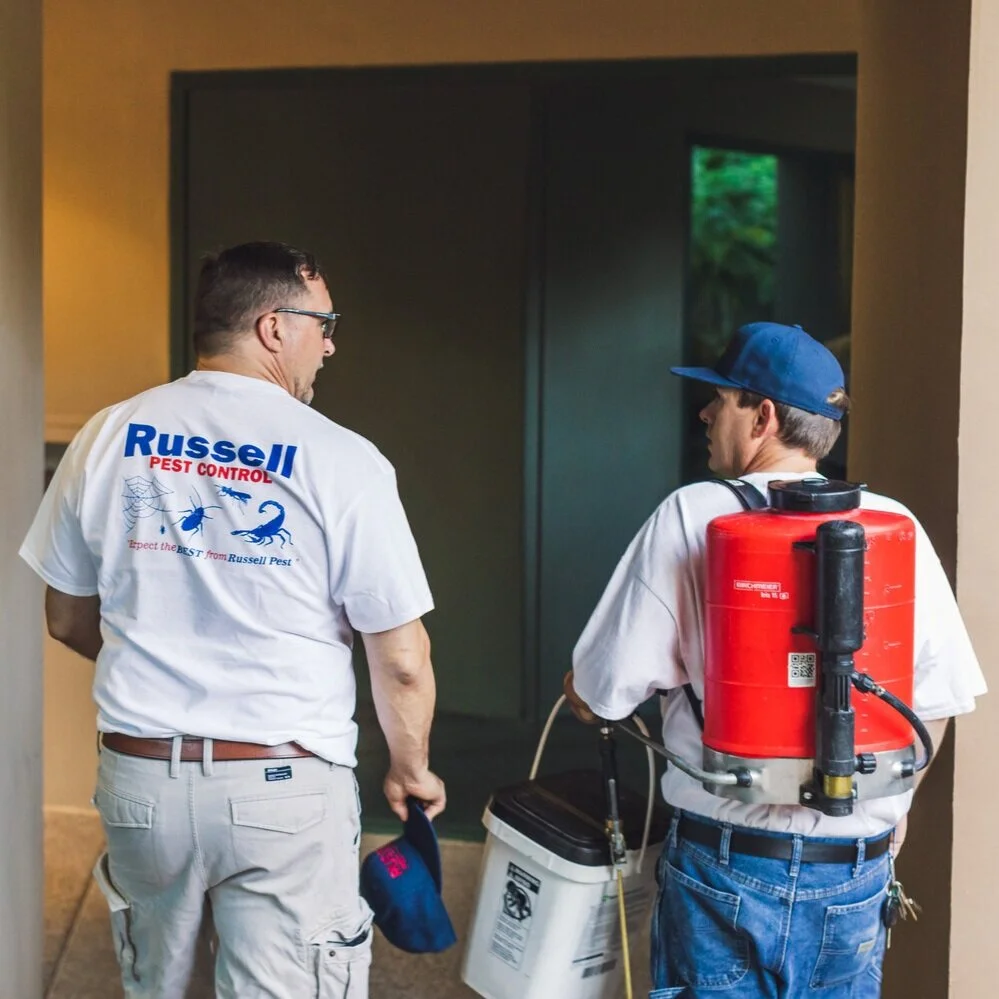
Who ya gonna call?
Termites are one of the most financially destructive pests a homeowner can face — and in Phoenix, they're not a remote possibility. The Sonoran Desert climate, combined with the irrigation and landscaping common throughout the Valley, creates conditions that subterranean termites thrive in. The USDA estimates termites affect more than 600,000 homes annually across the country, with American homeowners spending roughly $5 billion on termite control and repairs each year.
What makes termites uniquely dangerous compared to most pests is that by the time most homeowners notice them, the damage is already done. They work silently, inside walls and foundations, completely out of sight. A colony can number in the hundreds of thousands and consume wood continuously — 24 hours a day, 7 days a week.
The good news is that termites are very treatable, especially when caught early. This guide covers everything Phoenix homeowners need to know — how to identify termites, what signs to look for, how treatment works, and why regular inspections are the most cost-effective thing you can do.
Why Phoenix Homeowners Are at Higher Risk
Termites need three things to thrive: cellulose (found in wood, plants, and paper), moisture, and warmth. Phoenix provides all three in abundance.
Subterranean termites — the most destructive species in North America — are widespread throughout Maricopa County. They live underground and travel through mud tubes to reach above-ground food sources, meaning they can be actively consuming the structure of your home while leaving almost no visible trace at ground level.
Irrigation systems, leaky pipes, and the landscaping that most Valley homes rely on to stay green all create moisture near foundations — exactly the conditions subterranean termites look for. Add the fact that Phoenix winters never get cold enough to kill off colonies, and you have a year-round termite risk that homeowners in colder climates simply don't face.
How to Identify Termites
Termites are experts at staying hidden, but they do leave signs. Knowing what to look for — and actively checking for it a couple of times per year — is your first line of defense.
Mud tubes. These are the most recognizable sign of subterranean termites. They look like thin trails of dried mud running along your foundation, walls, or support beams — roughly the diameter of a pencil or iPhone charger cable. Termites build these tubes to travel between the soil and their food source while staying protected from the open air. If you break one open, you may see small pale insects inside — those are termite workers or nymphs.
Swarms and discarded wings. Once a termite colony matures, it produces winged reproductives called swarmers. In Phoenix, termite swarms typically occur in spring and early summer, often after rain. If you see what looks like a swarm of flying ants — or find piles of discarded wings near windowsills, doorframes, or light sources — those are termites. The wings are shed almost immediately after swarming.
Frass. Drywood termites push their droppings — called frass — out of small holes in wood. Frass looks like tiny piles of sawdust or wood-colored pellets, roughly one millimeter in size, and can range from light tan to dark brown. Finding frass near baseboards, window frames, or furniture is a strong indicator of drywood termite activity.
Paint damage and hollow wood. Bubbling, buckling, or pinhole damage in painted surfaces can indicate termites working just beneath. Tap on wood that sounds hollow when it shouldn't — termites consume wood from the inside out, leaving a paper-thin shell that sounds empty when knocked.
Maze-like patterns. If damaged wood is exposed, termite galleries look like a network of tunnels or maze-like channels running through the grain.
Structural warning signs. Doors and windows that suddenly stick, floors that feel soft or springy underfoot, or ceilings that appear to be warping can all indicate termite damage to structural wood.
What Termites Actually Eat
Termites eat cellulose — an organic compound found in wood, paper, cardboard, insulation, and plants. Because almost every home contains cellulose in some form, there's no such thing as a termite-proof house. Structural framing, flooring, wallpaper, drywall backing, even books and furniture are all potential food sources.
Subterranean termites particularly favor wood that's already been softened by moisture or decay, which is why addressing leaks, drainage issues, and wood-to-soil contact around your home is such an important part of termite prevention.
Conditions That Attract Termites to Your Home
Understanding what draws termites in helps you reduce your risk. Common attractants around Phoenix homes include:
Wood-to-soil contact. Fence posts, deck supports, and wood siding that touches or is buried in soil give termites direct access to your structure without ever being exposed.
Moisture near the foundation. Leaky irrigation, poor drainage, and clogged gutters that direct water toward the foundation create the damp conditions subterranean termites prefer.
Firewood stored against the house. A stack of firewood against your exterior wall is an invitation. Store it elevated and away from the structure.
Tree stumps and dying wood. Stumps left in the yard are a common termite harborage site that can serve as a launching point toward your home.
Mulch against the foundation. Heavy mulch beds that press against your home's exterior retain moisture and can conceal termite activity.
How Termite Treatment Works
There's no single termite treatment that works in every situation. A qualified pest control technician will inspect your property, identify the species present and the extent of the activity, and recommend the most appropriate approach. Generally, treatment falls into two categories:
Barrier treatments. A liquid termiticide is applied to the soil around and beneath the foundation, creating a chemical barrier that termites cannot cross. Depending on the product used, the barrier either repels termites or kills them on contact as they attempt to travel through treated soil. This is one of the most common and effective treatments for subterranean termites.
Bait systems. Bait stations are installed in the ground around the perimeter of the property. Worker termites find the bait, consume it, and carry it back to the colony, where it spreads and eventually eliminates the population. Bait systems are slower than barrier treatments but are highly targeted and use minimal chemical volume.
Direct wood treatment. For drywood termites or localized infestations, wood can be treated directly with termiticides injected into galleries or applied to exposed surfaces.
The right treatment depends on the species, the severity of the infestation, the construction of your home, and your preferences around chemical use. A reputable company will walk you through the options before recommending anything.
Why Regular Termite Inspections Are Worth It
Most termite damage is discovered too late — not because the signs weren't there, but because no one was actively looking. Annual professional termite inspections exist specifically to catch activity before it reaches the point of structural damage.
A trained inspector knows exactly where to look — crawl spaces, attic framing, garage walls, plumbing penetrations, and foundation perimeters are all areas that homeowners rarely examine closely. They can spot early mud tube activity, subtle wood damage, or conditions that put your home at elevated risk, all before a small problem becomes an expensive one.
The financial case is clear. An annual inspection costs a fraction of what termite repairs cost. Structural damage to floor joists, wall framing, or support beams can run from several thousand dollars to well over $10,000 depending on the extent. Catching an infestation in its early stages — when a targeted bait or barrier treatment can handle it — is dramatically cheaper than treating a mature, widespread colony and then repairing the damage it caused.
Inspections also protect your home's value. If you ever sell your home, a history of regular termite inspections and treatment is a significant asset. Many lenders require a current termite inspection report before approving a mortgage. An untreated termite problem discovered during a buyer's inspection can kill a sale or force a significant price reduction.
In termite-active areas like the Phoenix Valley, experts recommend a professional inspection at least once a year — and more frequently if you've had prior termite activity or your property has conditions that make it higher risk.
What You Can Do Between Inspections
Professional inspections and treatment are the foundation of termite protection, but there are steps homeowners can take to reduce risk year-round:
Fix leaks promptly — under sinks, around water heaters, and in irrigation systems
Ensure gutters and downspouts direct water away from the foundation
Replace any wood that's been damaged by moisture or rot
Seal cracks in the foundation and around utility penetrations
Keep mulch pulled back from the exterior walls
Store firewood elevated and away from the structure
Remove tree stumps from the yard
Check mud tubes along the foundation a couple of times per year, especially after monsoon season
None of these steps replace professional inspection and treatment, but they make your home significantly less attractive to termites in the first place.
Russell Pest Control: Termite Specialists Serving the Phoenix Valley
Russell Pest Control has been treating termite infestations in Phoenix Valley homes since 1996. Our licensed technicians are experienced with the specific termite species common to the Sonoran Desert — including the subterranean termites that cause the most damage throughout Maricopa County.
We inspect thoroughly, explain what we find in plain language, and recommend treatments based on what your property actually needs — not a one-size-fits-all approach. Our treatments are environmentally responsible and targeted to minimize chemical exposure while maximizing effectiveness.
If it's been more than a year since your last termite inspection — or if you've never had one — now is the time. Call us at (623) 469-7583 or request a free estimate online. Termites don't wait, and neither should you.
