
Silverfish in Phoenix Homes Get Worse Every Monsoon Season
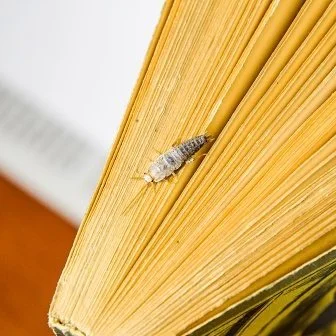
You open a box in your closet, flip through a forgotten book, or reach under the bathroom sink and something silver darts away before you can process what just happened. That flash of movement is not a fluke, and in Phoenix, AZ, it rarely happens just once.
Silverfish are one of the most overlooked pest problems in the Valley, partly because they stay hidden so well and partly because the damage they cause builds quietly over time. Understanding what drives them into Phoenix homes, and what keeps them there, is the first step toward getting rid of them for good.
The Desert Pest That Thrives When the Rain Finally Comes
Most people assume Phoenix, AZ, is too dry for moisture-loving insects. Silverfish prove that assumption wrong every year when monsoon season arrives. The seasonal surge in humidity that runs from June through September gives these insects exactly the conditions they need to reproduce rapidly and move deeper into homes.
When outdoor moisture retreats after monsoon rains, silverfish don't go with it. They follow humidity indoors, settling into bathrooms, laundry rooms, attics, and any space where the air stays damp longer than the rest of the house. Air conditioning condensation, plumbing leaks, and poor ventilation all create pockets of moisture that sustain them year-round.
What makes Phoenix, AZ, silverfish infestations particularly stubborn is that these insects can survive for weeks without food or water once they are established indoors. By the time most homeowners notice the signs, the population has already been breeding undisturbed for months inside wall voids, under flooring, and in the dark corners of storage areas.
Three Types of Silverfish and Why the Difference Matters
Not all silverfish behave the same way, and Phoenix, AZ, homes deal with three distinct species that have different habits, preferred food sources, and nesting locations. Lepisma saccharina feeds primarily on paper, book glue, and wallpaper paste and will spread throughout any area of a home where those materials are present.
The fourlined silverfish lives both inside and outside, which makes it a year-round concern for Valley homeowners. Outdoors, it nests in the landscape mulch common around foundation plantings across Mesa, Chandler, and Gilbert, AZ. Indoors, it spreads through basements, garages, and attics without any obvious sign of entry.
Gray silverfish stay entirely indoors once established, feeding on plant-based papers and animal proteins including dried food residue and even shed skins from other insects. Each species requires a slightly different treatment approach, which is one reason generic hardware store products so rarely resolve a silverfish infestation completely.
The Damage That Happens While You're Not Looking
Silverfish are nocturnal and avoid light, which means an infestation can grow for a long time before a homeowner sees a single insect. What appears first is usually the evidence: small irregular holes chewed into book pages, clothing, or wallpaper, and faint yellow staining on paper surfaces and fabric stored in closets or boxes.
Tiny black droppings that resemble pepper granules or small dark pellets are another reliable sign, typically found in drawers, on shelving, or along the edges of baseboards near humid areas. Most homeowners mistake these for dirt or debris on first inspection, which delays treatment and allows the population to grow further.
Silverfish also shed their translucent scales throughout their entire lifespan, leaving delicate papery shells near nesting sites. Finding these shells in the corners of your attic, behind bathroom fixtures, or inside cardboard storage boxes confirms active breeding rather than a few wandering individuals, and that distinction matters when it comes to choosing the right response.
What's Actually Feeding Them Inside Your Home
Silverfish have a broader diet than most homeowners realize, and Phoenix homes are full of it. Starchy materials are the primary draw: cereal boxes, oats, flour, crackers, and pasta stored in pantries without airtight seals all represent reliable food sources. Silverfish chew through cardboard and thin plastic packaging without much effort.
Beyond the kitchen, these insects feed on the adhesive in book bindings, the glue behind wallpaper, leather goods, cotton and linen clothing, and even the sizing compounds used in certain types of fabric. A storage closet full of seasonal clothing inside cardboard boxes is one of the most attractive environments a silverfish population can find anywhere in a Phoenix, AZ, home.
Paper goods stored in humid areas are particularly vulnerable. Old documents, photographs, magazines, and newspapers stored in an attic or garage that draws monsoon season humidity can sustain a silverfish population entirely on their own. If you have irreplaceable materials stored in those conditions and have not inspected them recently, the damage may already be underway.
The Monsoon Season Window Most Phoenix Homeowners Miss
What most people don't connect is the timing between the first monsoon rains in June and a silverfish surge indoors in late summer. The sequence is predictable. Outdoor humidity rises, silverfish populations that have been surviving in landscape mulch and exterior wall gaps become more active, and the ones that find their way inside encounter the cool, humid air produced by a home's air conditioning system.
That air conditioning moisture is significant. Condensation around ductwork, drip pans, and the areas near indoor HVAC components creates localized zones of persistent humidity inside walls and ceilings. Phoenix, AZ, homes with aging HVAC systems or inadequately insulated ductwork often have these hidden moisture pockets that sustain silverfish colonies long after the monsoon season has ended.
Late summer and early fall are the window when silverfish infestations discovered in Phoenix, Scottsdale, Peoria, and Surprise, AZ, homes are typically at their largest. Waiting until damage becomes obvious before treating means dealing with a population that has had the benefit of the entire monsoon season to establish itself. Earlier action produces faster, less intensive results.
Why DIY Treatments Keep Failing
Over-the-counter silverfish products typically address the insects you can see, not the colony breeding inside structural voids, under subflooring, or deep in attic insulation. Surface sprays applied in bathroom corners or kitchen cabinets may reduce visible activity temporarily but leave the breeding population untouched and capable of replenishing whatever the spray removed.
Diatomaceous earth is a legitimate killing agent with a real mechanism of action, but it requires precise placement in the harborage zones where silverfish actually spend their time. Most homeowners dust it along baseboards and visible surfaces, which is not where a silverfish colony lives. Poorly placed treatments create the same false sense of resolution that surface sprays do.
The deeper issue is that silverfish infestations in Phoenix, AZ, homes are driven by structural conditions, primarily moisture, entry points, and food sources, that DIY products do not address. Killing individual insects without correcting the humidity problem, sealing the entry paths, and treating the actual nesting zones means the population recovers as fast as it is reduced.
The Rooms in Your Home Most at Risk Right Now
Bathrooms are the most consistent silverfish hotspot in Phoenix, AZ, homes, and the reason is straightforward. Grout lines that have lost their seal, slow drips under sink cabinets, and poor exhaust ventilation create exactly the combination of darkness and persistent moisture that silverfish require. A bathroom that regularly fogs up after a shower and takes a long time to dry out is advertising itself to every silverfish within traveling distance.
Attics present a different kind of risk that Phoenix homeowners tend to overlook entirely. Valley attics absorb enormous heat during summer, but monsoon season introduces humidity into those spaces through roof vents and gaps around penetrations. Attic insulation that has absorbed moisture, combined with any cardboard storage boxes or paper materials kept up there, creates a concealed environment where silverfish can breed completely undisturbed for an entire season.
Garages in Phoenix, AZ, neighborhoods are increasingly used as storage spaces for books, documents, seasonal clothing, and household goods packed in cardboard. The gap under a garage door, the vents along the roofline, and the mulched landscaping directly outside the foundation combine to give silverfish an easy path indoors and a full pantry waiting for them when they arrive. Garages that smell faintly musty after monsoon rains are worth inspecting carefully before that moisture becomes a year-round problem.
Your Books, Clothes, and Pantry Deserve a Proper Solution
If you've spotted silverfish darting across a bathroom floor at night, found holes in stored clothing, or noticed yellowing damage on books or documents, those are signs of an established population that needs more than a spray bottle. Russell Pest Control has been serving Phoenix Valley homeowners since 1996 with licensed, professional silverfish control that targets the whole problem.
Our technicians inspect for all three silverfish species common to the Phoenix, AZ, area, identify the moisture sources and entry points driving the infestation, and apply targeted treatments directly into the harborage zones where these insects actually live and breed. We also provide practical guidance on humidity management, storage practices, and structural sealing to prevent reinfestation after treatment.
Russell Pest Control serves homeowners across Phoenix, Scottsdale, Mesa, Chandler, Gilbert, Glendale, Tempe, Peoria, and Surprise, AZ, with no contracts, no hidden fees, and free estimates. If silverfish have quietly taken over a corner of your home, we'll find them, treat them, and tell you exactly how to keep them from coming back. Call Russell Pest Control today.
