
Let's Talk About Ticks in Phoenix and What They Can Do
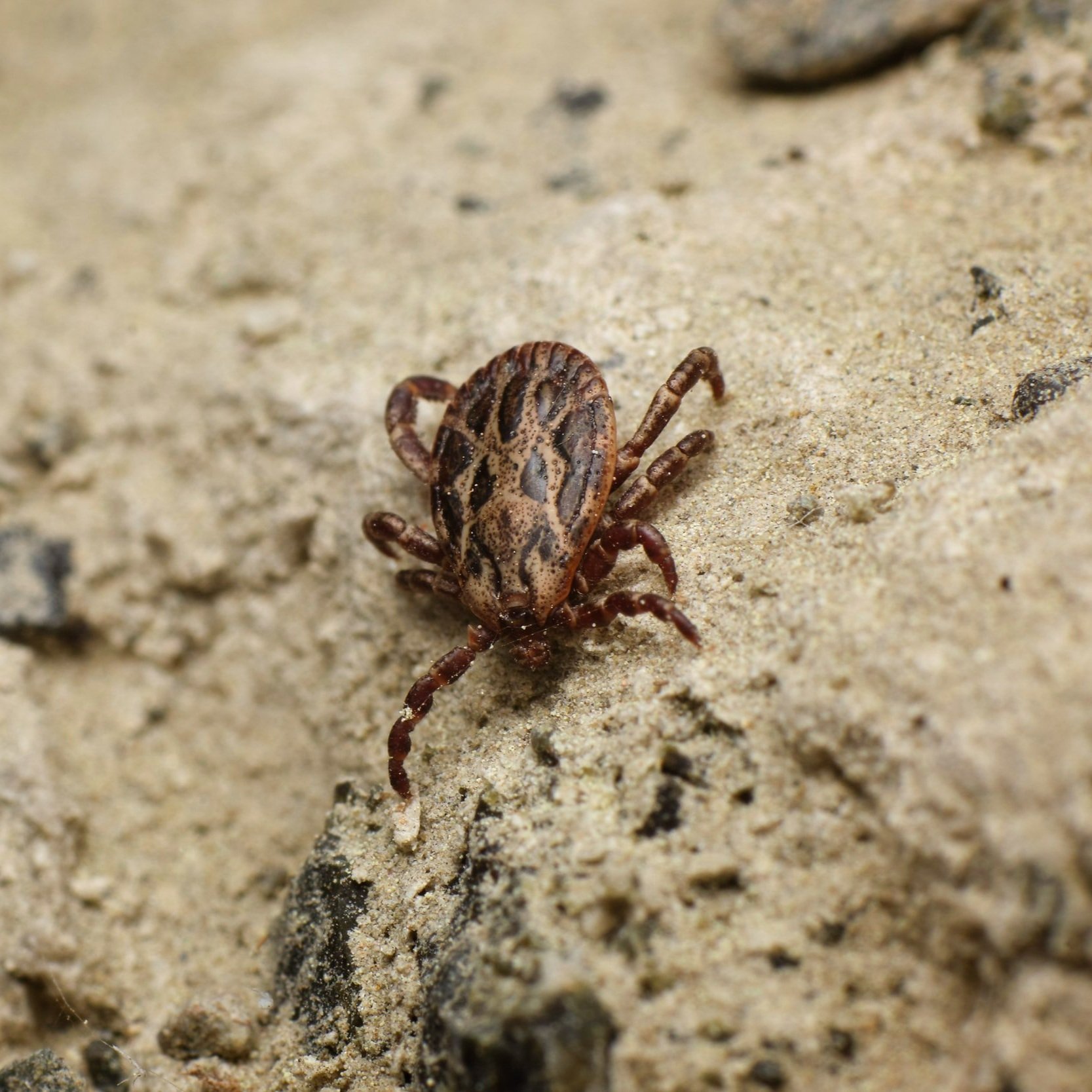
As the weather starts to warm up, it increases the likelihood of getting bitten by a tick or ticks hitchhiking their way into the home via clothes or pet’s fur and causing an infestation.
You found something small and dark attached to your dog after an afternoon in the backyard, and now you are not sure what to do or how worried you are. In Phoenix, AZ, that moment deserves considerably more urgency than most people give it.
Ticks in the Valley carry serious diseases, one species lives and breeds entirely inside your home, and the brown dog tick has been linked to dozens of deaths across Arizona over the past two decades. Knowing which species you are dealing with changes everything about how you respond.
The One Tick Already Living Inside Your Walls
The brown dog tick is by far the most common tick species in Phoenix, AZ, and it holds a distinction no other tick species shares anywhere. It is the only tick capable of completing its entire life cycle indoors, meaning eggs, larvae, nymphs, and adults all develop and reproduce inside your home without ever going outside.
Brown dog ticks are reddish-brown, narrow when unfed, and become swollen and grayish after feeding. They strongly prefer dogs but will readily feed on humans when dog hosts are unavailable or populations grow large. A single mated female brought in from the yard can seed an indoor infestation growing into hundreds within weeks.
An infested Phoenix, AZ, home does not require any outdoor exposure to produce tick bites on family members. The ticks are already inside, developing in carpet edges, behind baseboards, in wall voids, and in the furniture where the dog rests. Advice about checking yourself after hiking completely misses the bigger and more immediate concern in Valley households.
Rocky Mountain Spotted Fever Is Not Just a Name
Rocky Mountain spotted fever is one of the deadliest tick-borne diseases in the Western Hemisphere, and Arizona has a documented, serious problem with it. Between 2003 and 2012, over 250 cases and 19 fatalities were recorded in Arizona, almost all transmitted by brown dog ticks in residential environments across Maricopa County.
Symptoms begin within two to fourteen days of a bite and typically include sudden high fever and severe headache. The concerning reality for Phoenix, AZ, families is that the classic triad of fever, rash, and known tick bite occurs in only about 21 to 40 percent of confirmed cases. Many people who contract Rocky Mountain spotted fever never knew they were bitten.
Doxycycline must be initiated immediately when Rocky Mountain spotted fever is suspected, before laboratory confirmation. Every day of delay worsens outcomes significantly. Any Phoenix, AZ, homeowner who finds ticks at home or develops unexplained fever and headache after potential tick exposure should seek medical attention promptly rather than waiting for symptoms to progress.
Other Arizona Ticks That Follow You Home From Hiking Trails
While the brown dog tick dominates the Phoenix, AZ, pest landscape, the Valley and surrounding region hosts additional species. The Rocky Mountain wood tick is found at higher elevations and in grassy outdoor areas, particularly in northern Arizona. Hikers using trails around Prescott and other higher-elevation destinations encounter this species regularly and can bring it home on clothing.
The American dog tick is larger than the brown dog tick and prefers outdoor environments. It hitchhikes into homes on clothing and pets after trail use rather than establishing indoor colonies. American dog ticks also transmit Rocky Mountain spotted fever and tularemia, and they appear in desert mountain preserve trails throughout the Phoenix Valley.
The western blacklegged tick is rare in urban Phoenix, AZ, but occurs in wooded riparian areas near Sedona, Payson, and higher-elevation destinations. It can carry Lyme disease, though transmission in Arizona is extremely rare. Valley homeowners who hike regularly in diverse terrain should recognize all three species rather than assuming every tick found is a brown dog tick.
Why Monsoon Season Sends Tick Numbers Climbing
Phoenix, AZ, homeowners who assume tick pressure decreases in summer heat misread the seasonal pattern entirely. Monsoon rains from July through September increase ambient humidity throughout the Valley, which accelerates the brown dog tick's life cycle both indoors and outdoors. Eggs that develop slowly in dry conditions hatch much faster when monsoon humidity rises.
Outdoor tick habitats expand significantly during and after monsoon season as vegetation grows quickly along desert washes, in unmaintained yard areas, and along irrigated greenbelts throughout Chandler, Mesa, and Glendale, AZ. Tall grass, dense ground cover, and shaded moist soil near the foundation all become more favorable tick environments during the monsoon window.
September and October consistently represent the highest-risk window for tick discovery on dogs and family members across the Phoenix Valley. Populations that built through the monsoon humidity emerge in late summer in numbers that are difficult to ignore. Homeowners who address tick pressure before monsoon season rather than after a bite consistently achieve better outcomes.
How an Indoor Tick Infestation Takes Over Before You Notice
The indoor breeding capability of the brown dog tick is exactly what makes DIY tick control in Phoenix, AZ, homes so consistently ineffective. Consumer products kill the ticks they directly contact, but brown dog tick life stages hide in locations surface sprays never reach. Eggs tuck into baseboard seams, larvae migrate into wall voids, and nymphs burrow deep into carpet fibers.
The common mistake Phoenix, AZ, pet owners make is treating the dog alone and assuming the home will clear on its own. Veterinary tick medications kill ticks that bite the dog and are essential, but they do not affect the ticks already living in the environment. The indoor infestation continues producing new adults that immediately seek the dog or household members as their next host.
Professional treatment addresses indoor zones comprehensively, targeting baseboard edges, carpet areas, pet resting zones, and structural gaps where brown dog ticks concentrate. Insect growth regulators applied indoors interrupt egg and larval development before ticks reach the biting adult stage. That life cycle interruption is what resolves an infestation rather than simply reducing the number of adults visible on surfaces.
Your Dog Is Bringing Them in Every Single Day
Dogs are the primary vehicle through which brown dog ticks enter and re-enter Phoenix, AZ, homes continuously. Every outdoor excursion, backyard visit, or contact with another dog creates a new introduction opportunity. Even a dog on veterinary tick prevention can carry ticks that attach, attempt to feed, and then dislodge inside the home before the medication takes effect.
The highest-density outdoor tick zones on most Phoenix properties are dog runs and kennels where the dog rests consistently. Brown dog ticks concentrate where dogs spend time, making kennel floors, perimeter fencing, and shaded resting areas the primary outdoor infestation source. Regular cleaning of these areas combined with professional perimeter treatment addresses the outdoor population that continuously reintroduces ticks indoors.
Daily tick checks on dogs returning from outdoor time, regular combing of the ears, neck, feet, and base of the tail, and prompt removal of any ticks found all meaningfully reduce the indoor introduction rate. These habits combined with professional environmental treatment and veterinary prevention represent the complete three-part strategy that consistently resolves Valley tick problems rather than managing them indefinitely.
What Checking Your Yard Actually Prevents
Reducing tick pressure in a Phoenix, AZ, yard starts with habitat changes that remove the moist, shaded, and debris-filled environments where ticks concentrate. Keeping grass mowed short, removing leaf litter and dead vegetation, clearing brush along fence lines, and maintaining a dry open zone between dense landscaping and the home's exterior all reduce outdoor tick harborage measurably.
Firewood stacked against the home's exterior, decorative timber, and organic debris along block wall bases serve as tick harborage across Valley properties. Stacking firewood in a dry, elevated location away from the structure and maintaining clean wall bases reduces outdoor tick habitat and the wildlife that sometimes carries ticks through neighborhood corridors. Deer, rabbits, and rodents moving through block wall gaps are secondary introduction sources that well-maintained yards make less welcoming.
Outdoor lighting management matters too. Bright lights attract insects, insects attract wildlife, and wildlife carries ticks. Reducing unnecessary exterior lighting near the home perimeter during peak tick season creates a less attractive corridor for the secondary wildlife hosts that deposit ticks along fence lines and foundation edges throughout the Valley's residential neighborhoods.
The Ticks Found Your Dog. Let Russell Pest Control Find the Ticks
If you have found ticks on your dog, noticed them on family members, or discovered them crawling along baseboards inside your Phoenix, AZ, home, the infestation is already in progress. Russell Pest Control has been serving Phoenix Valley homeowners since 1996 with licensed technicians who understand Arizona's tick species and the treatment strategies that actually break the infestation cycle.
We serve homeowners across Phoenix, Scottsdale, Mesa, Chandler, Gilbert, Glendale, Tempe, Peoria, and Surprise, AZ, with monthly, bi-monthly, quarterly, and seasonal pest control programs including environmentally responsible flea and tick management for both the home interior and the surrounding yard. No hidden fees, no pressure, and a free estimate on every inspection.
Contact Russell Pest Control today and get your home back from the one pest in Phoenix that genuinely cannot wait.
